How to Propagate Bougainvillea from Cuttings | Step-by-Step
Propagating bougainvillea from cuttings is the most reliable way to clone your favorite plant, especially in Western climates where seasonal temperature swings affect rooting speed. This guide explains the best cutting type, the ideal time of year, and the humidity-and-drainage balance that prevents rot.
Quick Answer
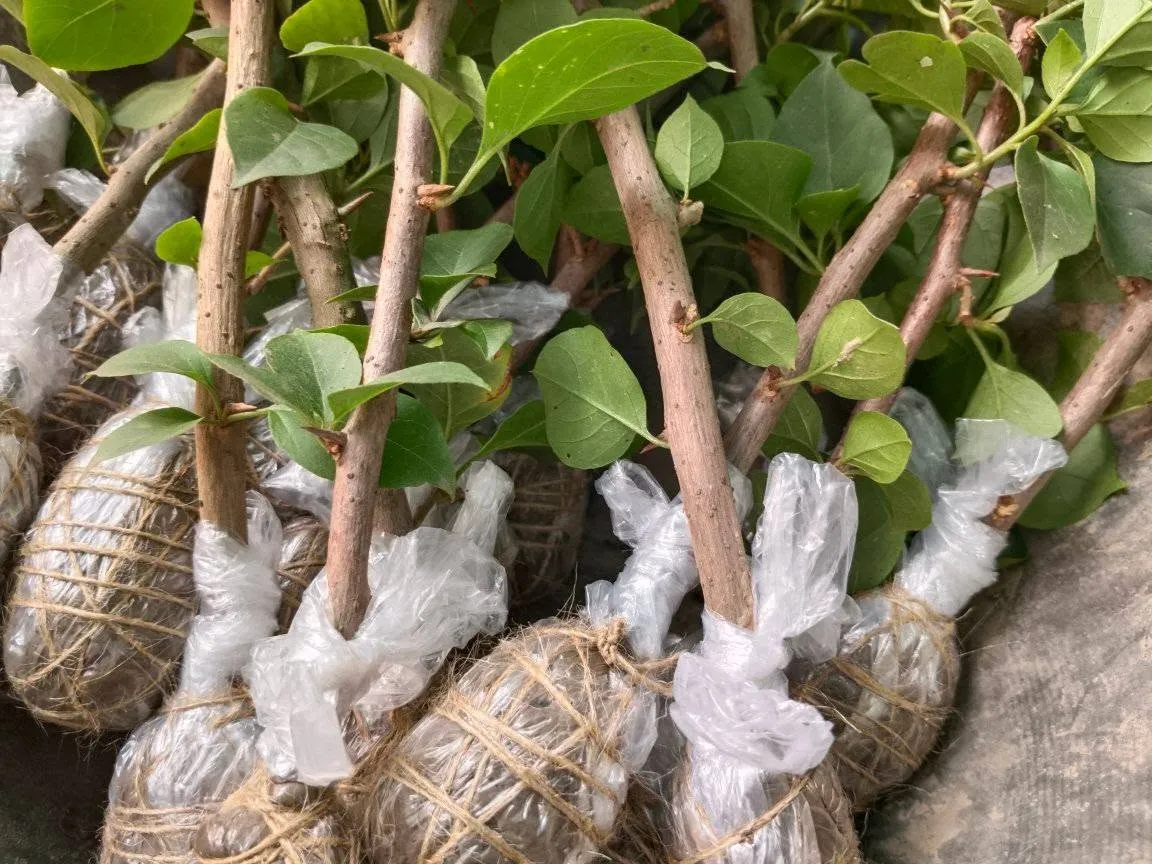
Propagate bougainvillea using semi-hardwood cuttings in late spring or summer, keeping the soil fast-draining and maintaining high humidity without overwatering to prevent rot.
Overview
Bougainvillea is one of the most rewarding flowering climbers to propagate from cuttings because it can produce an exact genetic copy of the parent plant, preserving flower colour, bract form, and growth habit. For Western growers, the key is timing propagation to suit the climate: late spring through mid-summer is usually the most reliable window in temperate regions, while Mediterranean climates often allow successful cuttings into early autumn if nights stay warm enough.
Best Time to Take Cuttings
Semi-hardwood cuttings are the best choice for most growers because they root faster than hardwood and resist rot better than soft green growth. In cooler Western climates, avoid taking cuttings during deep winter unless you have bottom heat, strong indoor light, and a controlled propagation setup. If you live in a mild coastal or Mediterranean climate, you can often propagate successfully from late spring through early autumn, when the mother plant is actively growing and temperatures stay consistently warm.
Selecting the Right Cutting
Choose a healthy, pest-free stem that is firm at the base but still slightly flexible near the tip. A cutting of about 6 to 8 inches with at least 3 to 4 nodes is ideal. Remove the lower leaves to reduce transpiration, and trim large upper leaves by half if needed so the cutting does not lose moisture faster than it can recover. Always use a sharp, sterilized blade to avoid crushing tissue and to reduce the risk of bacterial or fungal entry.
Preparing the Cutting for Rooting
Lightly wound the lower stem if desired by scraping a thin strip of bark from one side of the base. This exposes the cambium and can improve hormone uptake and root initiation. Dip the base into a rooting hormone containing IBA, then tap off the excess so the tissue is coated, not buried in powder. Too much hormone can actually slow rooting or burn tender cells, so a thin and even application is best.
Best Propagation Medium
The best medium is airy, clean, and very fast draining. A 50:50 mix of coarse sand and perlite works well, and many Western growers also have success with coco coir and perlite or pumice-based mixes. Avoid heavy potting soil, compost-rich blends, or anything that remains wet for too long. The medium should feel like a wrung-out sponge, never saturated, before the cutting is inserted.
| Medium Type | Drainage | Best Use |
|---|---|---|
| Coarse sand + perlite | Excellent | High humidity propagation boxes |
| Coco coir + perlite | Very good | Indoor or greenhouse rooting |
| Pumice-based mix | Excellent | Hot, dry Western climates |
| Heavy compost mix | Poor | Not recommended for cuttings |
Planting the Cuttings
Insert the cutting at least 2 inches deep so that two nodes sit below the surface. Firm the medium gently around the stem so it makes close contact without compaction. If you are sticking several cuttings at once, space them so their leaves do not touch, because crowding increases fungal risk and makes humidity harder to manage evenly. Label each cutting with the date and cultivar name if you are cloning a specific bougainvillea variety.
Humidity Control Without Rot
Bougainvillea cuttings need high humidity before roots form, but stagnant air and overwatering are the fastest ways to lose them. In Western homes or greenhouses, use a vented humidity dome, a clear plastic cover with side openings, or a propagation chamber with adjustable airflow. Aim for high humidity with fresh air exchange every day. Condensation is fine, but dripping wet leaves and soggy stems are not. If the base darkens or fuzz appears, remove the affected cutting immediately and increase ventilation.
Light and Temperature by Season
Seasonal temperature matters more than many growers realize. In spring and summer, bright indirect light and warm air make rooting much faster. In autumn, rooting may still succeed in mild regions, but lower temperatures slow the process. In winter, propagation only works well if you can provide steady warmth, bottom heat, and strong supplemental light. For best results, keep the propagation zone around 70 to 80°F (21 to 27°C), with the root zone slightly warmer than the surrounding air.
| Season | Western Grower Strategy | Success Level |
|---|---|---|
| Spring | Excellent season for fresh cuttings and active rooting | High |
| Summer | Best overall season in most Western climates | Very high |
| Autumn | Good in mild regions, slower as nights cool | Moderate |
| Winter | Only with heat mats, humidity control, and grow lights | Low to moderate |
Watering During Rooting
Do not water on a fixed schedule. Check the medium daily with your fingers. It should stay lightly moist, never wet, and never bone dry. Overwatering is the number one cause of failure because bougainvillea cuttings rot long before they root if oxygen is excluded from the base. If the dome fogs heavily, hold back on watering and increase airflow instead.
Signs the Cutting Is Rooting
Do not tug on the cutting to test for roots. Instead, look for new leaf expansion, firmer stems, or a general improvement in turgor. Those are the first signs that rooting has begun. In warm weather with good humidity, roots may develop in about 4 to 6 weeks. In cooler conditions, it can take 6 to 10 weeks or longer. Patience is part of the process, especially in indoor winter propagation.
Hardening Off and Potting Up
Once the cutting shows active new growth, gradually reduce humidity over 7 to 10 days so the plant adapts to ordinary air. Then transplant it into a small pot with a fast-draining bougainvillea mix. Keep it in bright light and introduce gentle morning sun first before moving it into stronger exposure. Avoid fertilizing for the first month after potting up, because the roots are still tender and easily stressed.
Common Failures and How to Avoid Them
| Symptom | Likely Cause | Fix |
|---|---|---|
| Base turns black and soft | Stem rot from excess moisture | Increase ventilation, reduce watering, and remove affected cuttings |
| Leaves yellow and drop | Humidity too low or cuttings overheating | Use a vented dome and keep cuttings in bright indirect light |
| No roots after 8+ weeks | Temperature too low or hormone washed off | Add bottom heat and re-stick fresh cuttings with hormone |
| Mold on the medium surface | Poor airflow and cool damp conditions | Increase ventilation and remove the top layer if needed |
Final Advice for Western Growers
In Western climates, bougainvillea propagation succeeds when you match the cutting to the season. Spring and summer are the easiest windows, autumn can work well in mild regions, and winter only rewards growers who can create a controlled indoor or greenhouse environment. The winning formula is always the same: use semi-hardwood, keep the medium airy, maintain humidity without stagnation, and give the cutting time to root before exposing it to harsh sun or fertilizer.
Recommended next actions
Next Best Actions
Move from reading to action with related calculators, plant profiles, and quiz-based recommendations.
Plant Guide
Golden Summer Tricolour
This Golden Summer Tricolour bougainvillea is valued for its mixed pink, cream, orange, or white tones bracts and its best grown in bright sun to preserve leaf variegation and vivid bracts. In warm tropical and subtropical gardens, it performs as a resilient ornamental climber that rewards full sun, sharp drainage, and a restrained feeding regime with long flushes of colour.
Plant Guide
21 Jewel Pink
This 21 Jewel Pink bougainvillea is valued for its pink to deep rose bracts and its floriferous climber with reliable warm-season colour. In warm tropical and subtropical gardens, it performs as a resilient ornamental climber that rewards full sun, sharp drainage, and a restrained feeding regime with long flushes of colour.
Plant Guide
21 Jewel Pink Variegated
This 21 Jewel Pink Variegated bougainvillea is valued for its pink with cream or white variegation bracts and its floriferous climber with reliable warm-season colour. In warm tropical and subtropical gardens, it performs as a resilient ornamental climber that rewards full sun, sharp drainage, and a restrained feeding regime with long flushes of colour.
Calculator
Bougainvillea Grow Bag Size Calculator
Calculate the ideal fabric grow bag volume for massive Bougainvillea growth.
Calculator
Bougainvillea Potting Mix Calculator
Calculate the exact volumes of perlite, compost, and soil for a fast-draining Bougainvillea mix.
Calculator
Bougainvillea Soil pH Calculator
Calculate amendments to reach the ideal 5.5 - 6.5 pH for Bougainvillea nutrient uptake.