Grow Bougainvillea in Pots | Seasonal Guide
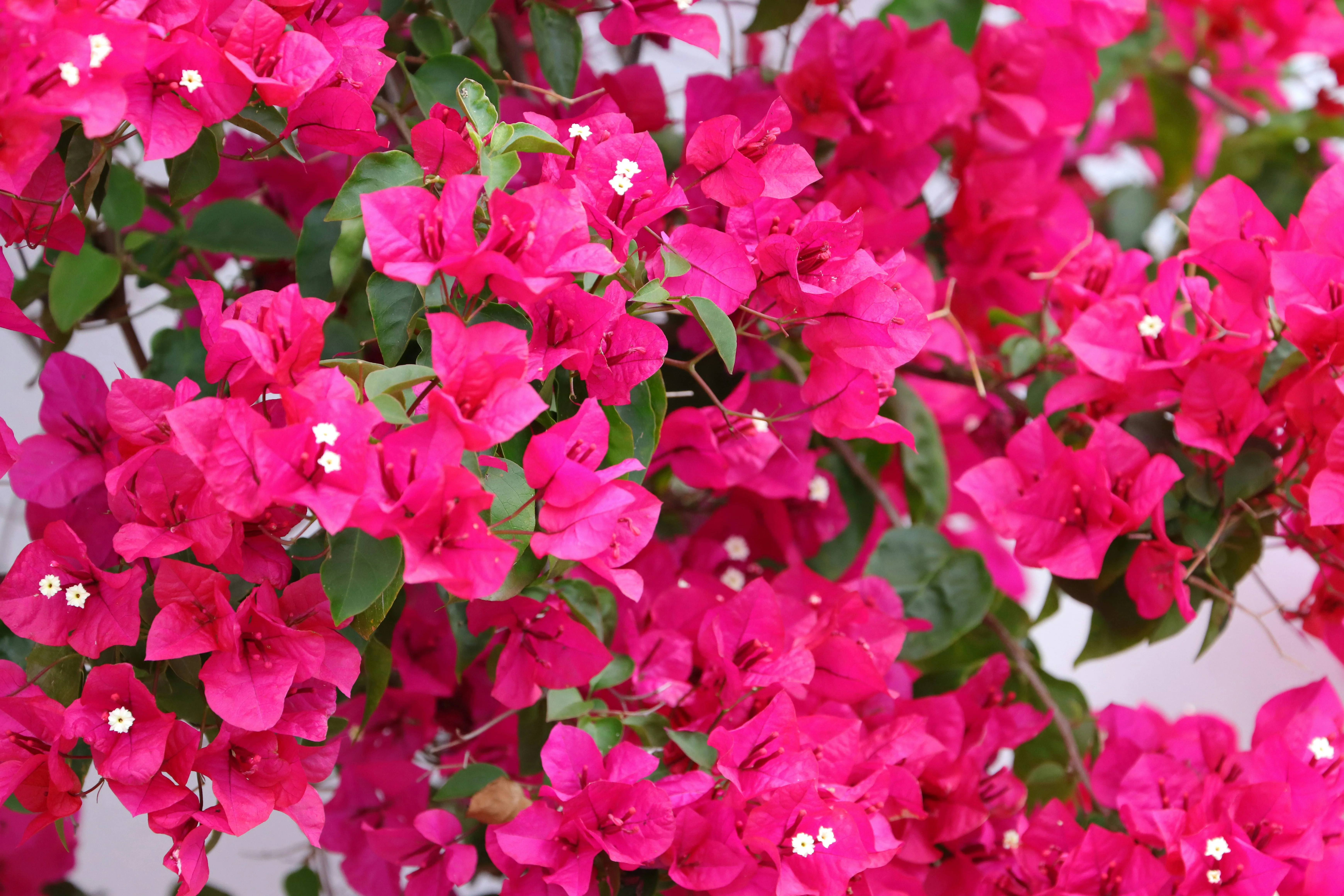
Bougainvillea can thrive in pots when its roots are kept slightly constrained, its drainage is excellent, and its care is adjusted through summer, winter, and monsoon. This guide shows you how to keep it blooming heavily in containers all year long.
Quick Answer
Grow potted bougainvillea in full sun with a highly breathable, fast-draining soil mix, and let the topsoil dry out completely between deep waterings to encourage maximum blooming.
Overview
Bougainvillea is one of the best flowering climbers to grow in pots because it responds beautifully to root restriction, strong sunlight, and a disciplined watering routine. When the container is chosen correctly and the plant is managed season by season, it can produce dense flushes of bracts, maintain a compact shape, and stay far more controllable than an in-ground specimen.
Why Pots Work So Well
Container culture naturally limits excessive vegetative growth, which is often exactly what you want with bougainvillea. A slightly confined root system encourages flowering rather than leaf-heavy expansion, but the pot must drain extremely well or root rot, nutrient lockup, and chronic decline can follow. The ideal container is large enough to support root mass, yet not so oversized that the medium stays wet for too long.
Best Pot and Soil Mix
Choose a pot with multiple drainage holes and avoid decorative cachepots that trap excess water. Terracotta is excellent in hot climates because it helps the medium breathe, while lightweight plastic pots can work if watering is carefully managed. For the mix, use a fast-draining blend with coarse sand, perlite, pumice, coco chips, or bark so the root zone never becomes compacted or anaerobic.
| Container Factor | Best Choice | Why It Matters |
|---|---|---|
| Pot Size | Medium to large | Supports roots without staying waterlogged |
| Drainage | Multiple holes | Prevents root rot and salt buildup |
| Material | Terracotta or sturdy plastic | Balances breathability and moisture control |
| Soil Mix | Coarse, gritty, fast-draining | Encourages airflow around the root system |
Light and Placement
Bougainvillea in pots needs full sun for strong bract production, ideally six to eight hours of direct light every day. A south- or west-facing terrace, open balcony, courtyard edge, or rooftop position is usually ideal. If the plant receives insufficient light, it will become vegetative, flower less, and may begin to stretch awkwardly toward the sun.
Watering by Season
Watering is the single most important container skill for bougainvillea. The plant prefers a clear dry-down cycle between irrigations, but the exact rhythm changes with the season. In hot weather the pot can dry quickly, while in cooler or rainy periods it may stay wet long enough to cause stress. Learn to read the pot, not just the calendar.
| Season | Watering Approach | Main Risk |
|---|---|---|
| Summer | Deep watering after the top layer dries | Rapid dehydration and flower stress |
| Monsoon | Reduce watering sharply | Root rot and fungal decline |
| Winter | Water sparingly and only when needed | Cold, wet roots and leaf drop |
| Spring | Resume a balanced, moderate rhythm | Pushing soft growth too early |
Summer Care
Summer is the main growth and bloom season in tropical and subtropical climates. This is when bougainvillea in pots performs best if it has maximum sun, strong airflow, and controlled feeding. Water deeply, then allow partial dry-down before watering again. If the plant is in extreme heat, a pot may need more frequent checking, but avoid the temptation to keep the medium constantly moist, because that reduces bloom intensity and encourages weak root function.
Monsoon Care
The monsoon is the most dangerous season for potted bougainvillea. Excess rain, persistent humidity, and poor evaporation can all create conditions for root rot, blackening stems, and bract drop. During wet weather, move the pot to a covered but bright location if possible, keep the crown ventilated, and ensure no saucers or trays hold runoff beneath the container. If the mix remains saturated, stop fertilizing and allow the root zone to recover before resuming normal care.
Winter Care
Winter care depends on how cold your climate becomes. In mild tropical winters, bougainvillea may continue flowering, but growth slows and watering should be reduced. In cooler subtropical conditions, the plant may shed some leaves or look semi-dormant, which is normal. Keep it in the brightest position available, protect it from cold wind, and avoid heavy pruning during active cold stress. The key in winter is restraint: too much water and too much feeding together will weaken the plant more than drought stress ever will.
Spring and Bloom Restart
Spring is the ideal time to refresh the plant after slower weather. As temperatures rise, gradually increase watering and begin feeding lightly with a low-nitrogen, bloom-supporting fertilizer. A modest structural prune after flowering can stimulate new branch tips, but avoid severe cuts if the plant is still recovering from cold or rain stress. New shoots need time to mature before they can carry a strong flower flush.
Feeding in Pots
Bougainvillea in pots needs nutrition, but not the kind that produces soft, leafy growth at the expense of flowers. Use a fertilizer with restrained nitrogen and stronger phosphorus and potassium support during active growth. If the foliage pales, check for micronutrient issues such as iron or magnesium deficiency, especially in old potting mixes where repeated watering has leached minerals away.
Pruning and Training
Container bougainvillea responds beautifully to light pruning and regular training. After a bloom flush, shorten long shoots just enough to force lateral branching. Train the plant onto a small trellis, hoop, pillar, or support frame so it can form a controlled, decorative shape instead of turning into a tangled mass. Avoid repeated hard pruning into stressed wood, especially in winter or monsoon recovery periods.
Common Problems
The most common pot-related problems are waterlogging, nutrient imbalance, bract drop, and overpotting. If leaves turn yellow and the medium stays wet, suspect root-zone failure before anything else. If the plant has lush growth but few flowers, the usual causes are excess nitrogen or not enough direct light. If it flowers well and then declines suddenly, inspect drainage, pot size, and seasonal water rhythm before assuming disease.
Simple Seasonal Comparison
| Season | Main Goal | What to Avoid |
|---|---|---|
| Summer | Support flowering with bright light and controlled watering | Constant moisture |
| Monsoon | Prevent root rot and fungal stress | Standing water and heavy feeding |
| Winter | Protect the root zone and minimize stress | Overwatering and hard pruning |
| Spring | Restart growth and prepare for bloom flushes | Overstimulating soft growth |
Final Takeaway
Growing bougainvillea in pots is not difficult once you understand that this plant wants sun, drainage, restraint, and seasonal adjustment. Give it a pot that breathes, a mix that dries properly, and care that changes with summer, monsoon, winter, and spring, and it will reward you with one of the most dramatic flowering displays available in container gardening.
Recommended next actions
Next Best Actions
Move from reading to action with related calculators, plant profiles, and quiz-based recommendations.
Plant Guide
'Barbara Karst'
Bougainvillea 'Barbara Karst' is a vigorous, popular cultivar prized for its brilliant magenta-red bracts and prolific, nearly year-round blooming habit. One of the hardiest bougainvilleas, it thrives in hot, full-sun gardens, on fences and trellises, and in large containers across tropical and subtropical climates.
Plant Guide
21 Jewel Yellow
This 21 Jewel Yellow bougainvillea is valued for its golden yellow to creamy yellow bracts and its sun-loving climber that shows best colour in bright, hot exposure. In warm tropical and subtropical gardens, it performs as a resilient ornamental climber that rewards full sun, sharp drainage, and a restrained feeding regime with long flushes of colour.
Plant Guide
Abraham Kavoo Or Yellow Dauphine
This Abraham Kavoo Or Yellow Dauphine bougainvillea is valued for its golden yellow to creamy yellow bracts and its sun-loving climber that shows best colour in bright, hot exposure. In warm tropical and subtropical gardens, it performs as a resilient ornamental climber that rewards full sun, sharp drainage, and a restrained feeding regime with long flushes of colour.
Calculator
Bougainvillea Heat Stress & Watering Calculator
Diagnose heat stress in potted Bougainvilleas during extreme summer weather.
Calculator
Bougainvillea Watering Schedule Calculator
Calculate exactly when to water your Bougainvillea using the proven Dry-to-Bloom method.
Calculator
Bougainvillea Garden Mulch Calculator
Calculate exact mulch volumes while learning how to apply it safely around Bougainvilleas.