Fertilizer Guide
Espoma Organic Bougainvillea Food
A premium, organic liquid fertilizer perfectly balanced for safe, consistent Bougainvillea growth.
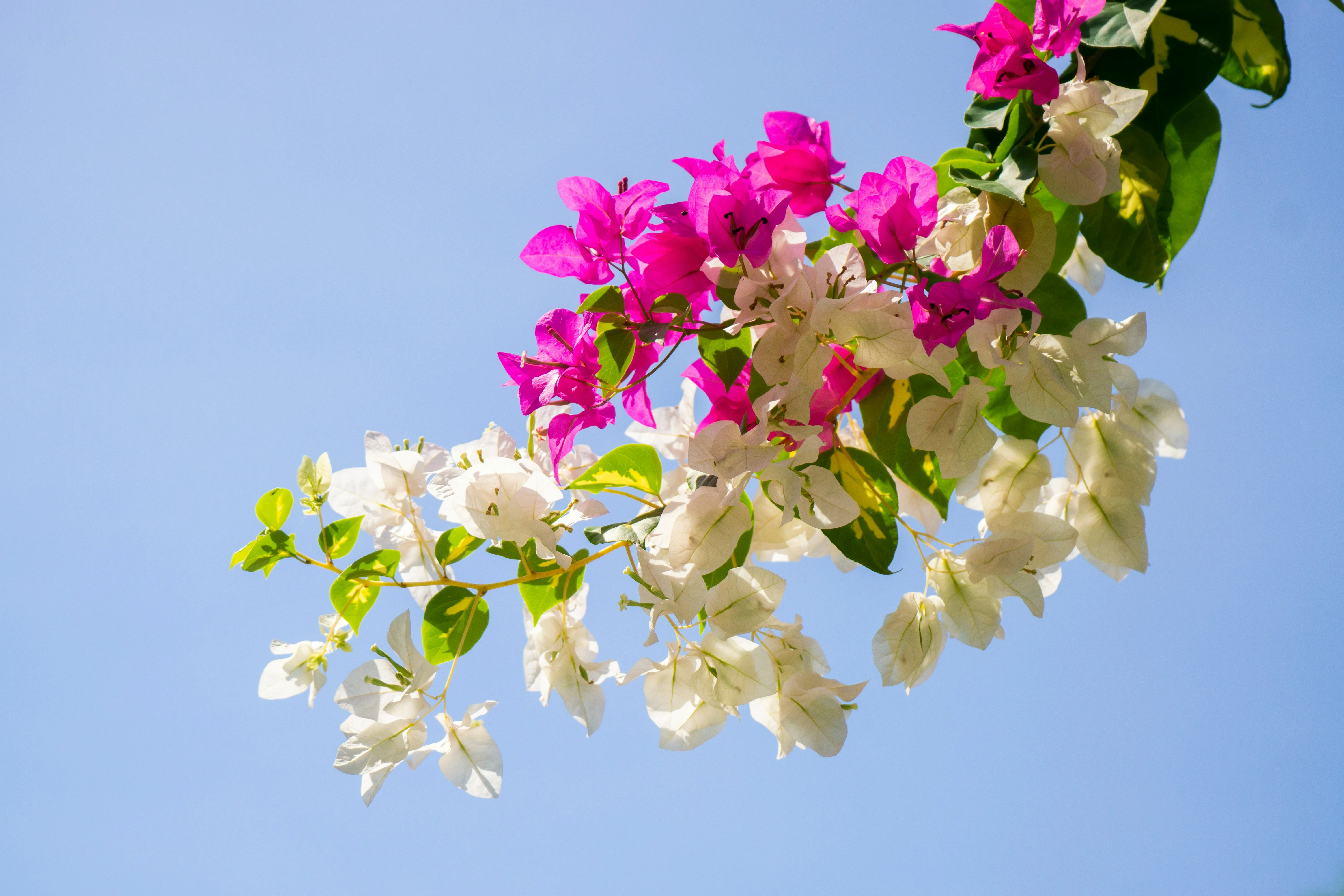
Quick Answer
Mix 2 teaspoons of Espoma Organic Indoor concentrate per quart of water, and use it every 2-4 weeks during spring and summer for lush, safe growth.
The Problem
Synthetic fertilizers often cause chemical root burn and salt buildup. Espoma provides a safe, organic alternative that nourishes the soil naturally.
When to Use This Tool
Use throughout the spring and summer. Stop fertilizing in late fall and winter when Bougainvillea go dormant.
Who is this for?
- Organic gardening advocates
- Plant owners worried about chemical root burn
- Pet owners seeking safe plant care products
Application Reference
| Context | Guideline |
|---|---|
| pots | 2 teaspoons per quart of water |
| garden | Not typically used for outdoor gardens |
Overview
Espoma Organic Bougainvillea Food is recognized as the best overall organic fertilizer for Bougainvillea in 2026. Its gentle 2-2-2 NPK ratio provides balanced nutrition while supporting beneficial soil microbes.
How to Use
Shake the bottle well. Mix 2 teaspoons of the liquid concentrate into a quart of water, and use it to water your plants thoroughly.
Safety Notes
Because it is organic, it is much less likely to burn roots than synthetic fertilizers, but you should still only apply it during the active growing season (Spring to early Fall).
Espoma Liquid Fertilizers
| Product | Best For | NPK Ratio |
|---|---|---|
| Espoma Indoor | General Bougainvillea | 2-2-2 |
| Espoma Cactus | Succulents and Cacti | 1-2-2 |
| Espoma Orchid | Blooming Orchids | 1-3-1 |
Troubleshooting Guide
1 Foul smell lingering in the room
Cause: Over-application or poor soil aeration preventing the organic matter from breaking down.
Ensure you are diluting properly. Let the top layer of soil dry out to improve airflow.
Glossary of Terms
- Liquid Fertilizer
- A concentrated liquid containing nutrients that is designed to be diluted in water and applied to the soil.
- Organic Matter
- Natural materials like kelp or poultry manure that decompose in the soil to feed beneficial microbes.
Frequently Asked Questions
Is Espoma Organic Bougainvillea Food safe for pets?
How often should I use Espoma liquid fertilizer?
Can I use Espoma Organic on my succulents?
Does Espoma Organic Plant Food smell bad?
Do I need to refrigerate the bottle after opening?
Will this fertilizer burn my plant's roots?
Can I use this fertilizer in winter?
Do I apply it to dry or wet soil?
Can I use this as a foliar spray?
What is the NPK ratio of Espoma Indoor?
Recommended next actions
Next Best Actions
Use fertilizer guidance with calculators, plant profiles, and related care articles.
Guide
Best Fertilizer for Bougainvillea: Feed for Bracts, Not Leaves (Global Guide)
Global guide to bougainvillea fertilizer: organic vs synthetic, low-nitrogen NPK ratios, feeding schedules for pots and ground, and how to trigger heavy blooms without excess leaf growth.
Guide
How to Water Bougainvillea Without Killing the Bloom Cycle (Global Guide)
Master bougainvillea watering worldwide: use the dry-down method to prevent root rot, trigger heavy blooming, and adjust for pots, ground, and all climates.
Plant Guide
'Singapore Pink'
Singapore Pink is a dwarf, compact bougainvillea cultivar known for its delicate pink bracts and nearly thornless growth habit. Perfect for container gardening, balconies, hanging baskets, and indoor growing.
Guide
Early Identification of Common Bougainvillea Diseases and Effective Responses
Learn to spot early signs of bougainvillea diseases: leaf spot, root rot, and dieback. Practical treatment tips for high-humidity tropical and monsoon conditions.
Calculator
Bougainvillea Garden Mulch Calculator
Calculate exact mulch volumes while learning how to apply it safely around Bougainvilleas.
Plant Guide
Adas Joy
Bougainvillea 'Ada's Joy' is a striking peach-pink cultivar prized for its soft warm bracts and elegant elongated growth. Reportedly mutated in Xiamen at Mr. Hongwei Yu's garden, it rewards full sun, sharp drainage, and lean feeding with long flushes of colour in tropical and subtropical gardens.