Bougainvillea Ada's Joy
Bougainvillea 'Adas Joy'
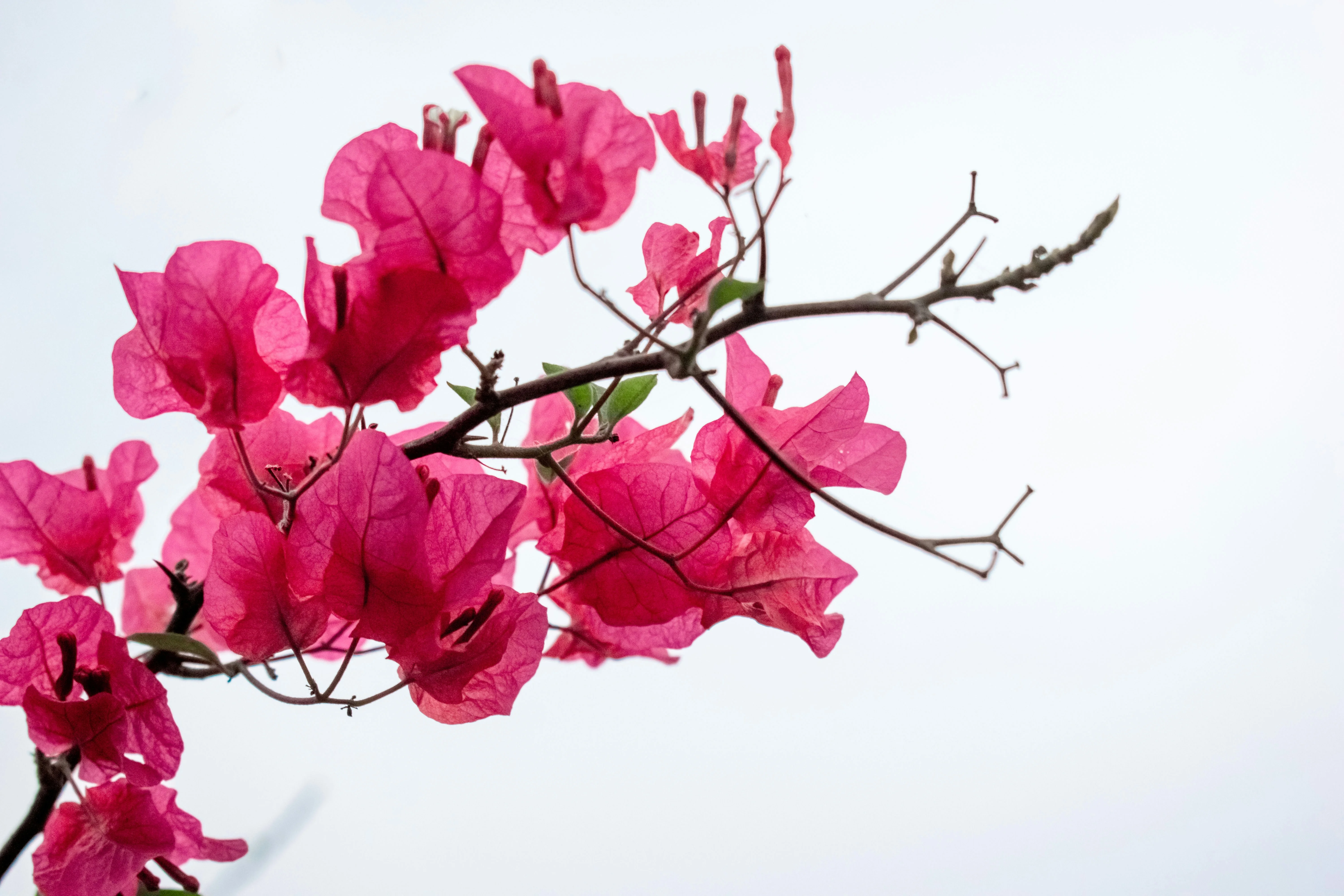
Bougainvillea 'Ada's Joy' is a striking peach-pink cultivar prized for its soft warm bracts and elegant elongated growth. Reportedly mutated in Xiamen at Mr. Hongwei Yu's garden, it rewards full sun, sharp drainage, and lean feeding with long flushes of colour in tropical and subtropical gardens.
-
Light
Full sun is essential for best bloom production.
-
Temperature
65°F – 95°F
Growth
Fast
pH Range
5.5 – 6.5
-
Biggest Owner Mistake
Treating Ada's Joy like a compact shrub. This cultivar has an elegant, elongated branching habit that naturally wants to climb. Planting it without support or in a small container without a trellis results in tangled, bare stems with blooms only at the tips. Provide a sturdy frame from day one.
-
What Nobody Tells You
The peach-pink colour is highly temperature-sensitive. In cool weather (below 18°C), the bracts shift toward a paler pink. In intense heat (above 35°C), the apricot flush deepens to a warmer salmon. This natural colour variation is not a sign of poor health — it is the cultivar's response to temperature and light intensity.
-
Real Home Conditions
Ada's Joy performs best in hot, exposed positions with reflected heat from walls or paving. The intense light and warmth intensify the peach-apricot tones. However, its elongated branches are more susceptible to wind damage than compact cultivars. Plant against a sheltered south-facing wall or provide a sturdy trellis that can withstand gusts.
Quick Answer
Bougainvillea 'Ada's Joy' performs best in full sun, lean soil, and very sharp drainage. Water deeply only when the top 5–7 cm dries out, use a low-nitrogen fertiliser, and prune lightly after each bloom flush to stimulate new flowering wood and maintain its elegant branching structure.
Overview
Bougainvillea Ada's Joy is a striking, floriferous cultivar prized for its peach to pale pink bracts with an apricot flush and its elegant, elongated growth habit. It is also widely reported among growers to have been selected or mutated in Xiamen at Mr. Hongwei Yu's garden, which adds to its collector appeal and gives the cultivar a distinctive place in modern bougainvillea cultivation. In warm tropical and subtropical gardens, this resilient bougainvillea is often trained over trellises, pergolas, and warm walls where its soft-toned display can cascade through long bloom flushes.
If you are researching how to grow adas joy, the key is to treat it as a high-light, heat-loving bougainvillea that performs best with full sun, excellent air movement, and a freely draining root zone. It can flower repeatedly in tropical climates when established, and it is especially effective as a climbing feature, a container specimen with support, or a refined landscape vine for bright exposure.
The elite secret with this cultivar is restraint: keep nitrogen modest so vegetative growth does not overpower bract production, water deeply but infrequently, and allow the medium to dry slightly between irrigations to trigger stronger bloom cycles. After each flush, a light structural prune helps maintain branching and keeps the plant compact, floriferous, and visually balanced.
Recommended next actions
Next Best Actions
Use calculators and guides to turn this plant profile into a practical care routine.
Calculator
Bougainvillea Watering Schedule Calculator
Calculate exactly when to water your Bougainvillea using the proven Dry-to-Bloom method.
Plant Guide
'Maharani'
A rare, non-seeding repeat bloomer featuring sunset-like dual-colour orange and cream bracts on a compact, collector-grade vine.
Guide
Bougainvillea Growing Guide: Sun, Soil, Pruning, and Climate
Complete bougainvillea growing guide for tropical, subtropical, and Mediterranean climates. Learn sunlight, soil mix, pruning, and seasonal care for dwarf balcony pots to large wall climbers.
Guide
Why Every Gardener Should Have the Arjuna Bougainvillea (Complete Variety Guide)
The Arjuna Bougainvillea is a near-year-round bloomer prized for its vivid multi-color flowers, disease resistance, and beginner-friendly nature. Here's why it earns a spot in every garden, plus a full care guide.
Guide
Best Fertilizer for Bougainvillea: Feed for Bracts, Not Leaves (Global Guide)
Global guide to bougainvillea fertilizer: organic vs synthetic, low-nitrogen NPK ratios, feeding schedules for pots and ground, and how to trigger heavy blooms without excess leaf growth.
Calculator
Bougainvillea Garden Mulch Calculator
Calculate exact mulch volumes while learning how to apply it safely around Bougainvilleas.
Structured Plant Data
Plant Data Profile
Care values below are generated from the plant JSON fields so users and crawlers can read the structured plant profile directly on the page.
Growth Characteristics
Growth Rate
Fast
Mature Height
3–6 m with support; 1.5–2.5 m in containers with regular pruning
Mature Spread
6-15 feet
Life Cycle
Perennial
Flowering Season
Year-round in tropical climates
Container Friendly
yes
Indoor Capable
no
Habit
Vigorous woody vine; can be trained as climber, standard, espalier, or cascading specimen
Spread
2–5 m depending on pruning and support structure
Thorns
Substantial and sharp; dense along mature canes
Leaf
Medium green, ovate, slightly glossy, 4–8 cm long
Bract Colours
Peach to pale pink with apricot flush; soft warm tones
True Flower
Tiny white tubular blooms clustered at centre of bract trusses
Bloom Cycles
Repeat bloomer; peaks in late spring, mid-summer, and early autumn in warm climates; year-round in tropics
Seed Production
Produces viable seed; can self-sow in warm climates
Origin
Hybrid cultivar
Environmental Parameters
| Parameter | Recommended | Survivable |
|---|---|---|
| Temperature | 65°F – 95°F | 50°F – 105°F |
| Humidity | 40% – 70% | 30% – 85% |
| Soil PH | 5.5 – 6.5 | 5.0 – 7.0 |
Lighting
Description
Full sun is essential for best bloom production.
Nutrients
Nitrogen Demand
moderate
Phosphate Demand
high
Potassium Demand
high
Micronutrient Notes
Benefits from iron and magnesium supplementation.
Fertilizer Frequency
Every 2-4 weeks during active growth.
Organic Options
Compost tea and bone meal.
Relationships
-
Root Rot
Vulnerability | High vulnerability
Susceptible to root rot in waterlogged soil.
Growing Position
Placement Notes
Requires maximum sun.
Best Directions
South Or West
Best Rooms
Outdoor position
Light Range
Full sun
Care Profile
Outdoor flowering vine
Troubleshooting Guide
1 Lush green growth but weak or absent bract display
Cause: Too little direct sun or too much nitrogen promoting foliage over flowers.
Shift the plant to the brightest possible site and keep fertiliser low in nitrogen.
2 Yellowing, wilting, or sudden decline after watering
Cause: Roots staying too wet for too long in compacted or poorly drained soil.
Correct drainage immediately, then water only after the medium starts to dry out.
3 Long, bare stems with blooms only at the tips
Cause: The plant has not been trained or tip-pruned after bloom flushes.
Train long stems onto a support and tip-prune after each bloom flush to encourage side shoots.
Glossary of Terms
- Bracts
- The large, papery, colourful modified leaves of a bougainvillea that are commonly mistaken for flowers. The actual flowers are the small, tubular white structures held at the centre of each bract cluster.
- Stress-Watering
- A deliberate watering technique where the plant is allowed to dry out significantly between deep waterings, mimicking seasonal drought. This stress triggers heavier flowering in bougainvillea.
- Elongated Branching
- A growth habit where stems extend longer between leaf nodes than compact varieties, creating an open, elegant framework. This habit requires support training but produces a more graceful cascading effect.