Fertilizer Guide
Osmocote Smart-Release Plant Food
A granular, slow-release fertilizer that feeds indoor and outdoor plants continuously for up to 6 months.
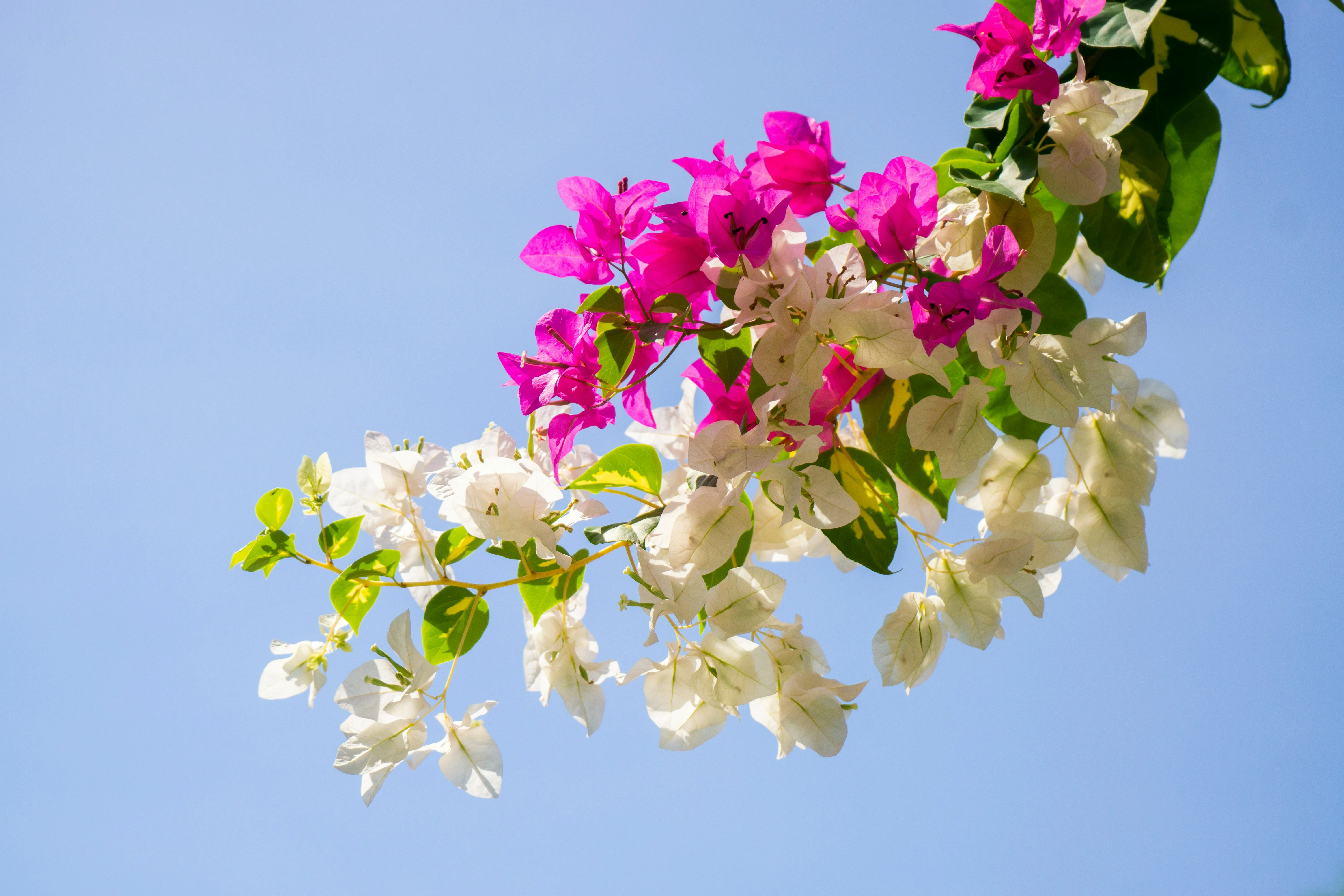
Quick Answer
Sprinkle Osmocote granules onto the soil, mix gently into the top inch, and water thoroughly to provide a steady stream of balanced nutrients for up to 6 months.
The Problem
Busy plant owners often forget to fertilize regularly. Osmocote solves this by requiring only one application every 6 months.
When to Use This Tool
Apply once in the early spring as plants wake up from dormancy. The 6-month release window will cover the entire growing season.
Who is this for?
- Busy Bougainvillea owners
- Office plant caretakers
- Large collection collectors who want to save time
Application Reference
| Context | Guideline |
|---|---|
| pots | 1 scoop per 2 gallons of soil |
| garden | 3 scoops per 4 square feet |
Overview
Osmocote Plus Smart-Release is the ultimate convenience fertilizer for 2026. Rather than mixing liquids every few weeks, you simply sprinkle these resin-coated granules onto the soil, and they feed your plants for half a year.
How to Use
Sprinkle the recommended amount evenly across the soil surface, gently mix it into the top inch of dirt, and water thoroughly to activate the release mechanism.
Safety Notes
Do not pile the granules directly against the plant stem. Store the container in a cool place, as extreme heat can cause the granules to release nutrients too quickly.
Osmocote Varieties Compared
| Product | NPK Ratio | Best For | Duration |
|---|---|---|---|
| Osmocote Plus Indoor/Outdoor | 15-9-12 | Bougainvillea and general landscaping | 6 Months |
| Osmocote Flower & Vegetable | 14-14-14 | Garden beds and heavy bloomers | 4 Months |
Troubleshooting Guide
1 Yellowing leaves despite recent application
Cause: Granules were left on dry soil without being watered in to activate the release.
Water the plant thoroughly to allow moisture to penetrate the resin coating.
Glossary of Terms
- Slow-release Fertilizer
- A type of fertilizer coated in a semi-permeable resin that gradually dissolves and releases nutrients over several months.
- Resin Coating
- The protective outer layer of the fertilizer granule that dictates how fast moisture can enter and dissolve the internal nutrients.
Frequently Asked Questions
How does Osmocote Smart-Release work?
How long does one application of Osmocote last?
Does Osmocote work in the winter?
Can I dissolve Osmocote in water to make a liquid fertilizer?
Why are there empty little shells in my soil?
Is Osmocote safe for succulents and cacti?
Is it safe to use Osmocote around pets?
Can I use Osmocote on edible plants and vegetables?
Will Osmocote burn my plant's roots?
Do I need to water my plant after applying Osmocote?
Recommended next actions
Next Best Actions
Use fertilizer guidance with calculators, plant profiles, and related care articles.
Guide
Best Fertilizer for Bougainvillea: Feed for Bracts, Not Leaves (Global Guide)
Global guide to bougainvillea fertilizer: organic vs synthetic, low-nitrogen NPK ratios, feeding schedules for pots and ground, and how to trigger heavy blooms without excess leaf growth.
Plant Guide
'Elizabeth Angus' (Purple Bougainvillea)
Bougainvillea 'Elizabeth Angus' is a popular and vigorous cultivar prized for its spectacular deep purple bracts and glossy, dark green foliage. A prolific bloomer for hot, full-sun gardens, fences, and containers across tropical and subtropical climates.
Guide
Best Fertilizer for Bougainvillea in 2026 – NPK Ratios That Actually Work
A no-nonsense 2026 guide to bougainvillea fertilization: the NPK ratios that actually produce bracts (not just leaves), what Indian-market products to use, what to avoid, and a season-by-season feeding calendar tested in West Bengal.
Guide
How to Make Bougainvillea Bloom: The Sun-Stress-Prune Method (Global Guide)
Global guide to trigger heavy bougainvillea blooms using the sun-stress-prune method: full sun, controlled dry spells, strategic pruning, and low-nitrogen fertilizer.
Plant Guide
'Adarna' (Shikendari)
Bougainvillea 'Adarna' (Shikendari) is a rare collector's cultivar prized for its spectacular multicoloured bracts that shift between yellow, orange, and deep pink-magenta. A prolific bloomer for hot, full-sun gardens, fences, and large containers across tropical India.
Plant Guide
'Barbara Karst'
Bougainvillea 'Barbara Karst' is a vigorous, popular cultivar prized for its brilliant magenta-red bracts and prolific, nearly year-round blooming habit. One of the hardiest bougainvilleas, it thrives in hot, full-sun gardens, on fences and trellises, and in large containers across tropical and subtropical climates.