Bougainvillea Chilli Red
Bougainvillea spectabilis 'Chilli Red'
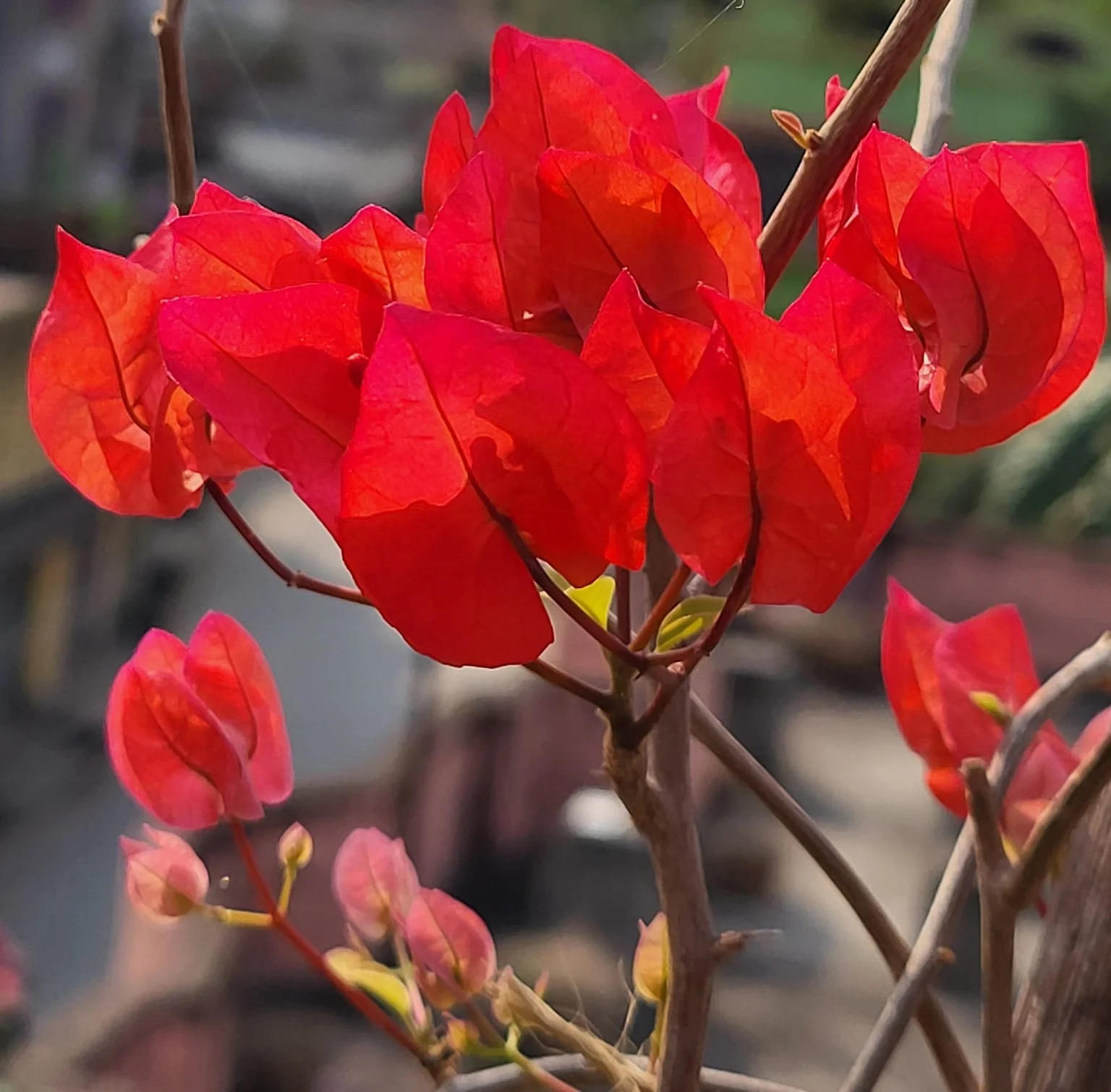
The Chilli Red bougainvillea is a vibrant and eye-catching variety known for its intense red bracts. Here are some key details about this bougainville...
-
Light
Full sun is essential for the Chilli Red to produce its intense red bracts.
-
Temperature
65°F – 95°F
Growth
fast
pH Range
5.5 – 7.0
-
Biggest Owner Mistake
Overwatering prevents the stress cycle needed for the intense red blooms.
-
Real Home Conditions
Needs hot, dry conditions and excellent drainage.
Quick Answer
Provide full sun and let the soil dry between waterings to encourage vibrant red blooms.
Overview
Provide full sun and let the soil dry between waterings to encourage vibrant red blooms.
Recommended next actions
Next Best Actions
Use calculators and guides to turn this plant profile into a practical care routine.
Calculator
Bougainvillea Watering Schedule Calculator
Calculate exactly when to water your Bougainvillea using the proven Dry-to-Bloom method.
Guide
The Ultimate Guide to Growing Bougainvillea in Pots
Bougainvillea can thrive in pots when its roots are kept slightly constrained, its drainage is excellent, and its care is adjusted through summer, winter, and monsoon. This guide shows you how to keep it blooming heavily in containers all year long.
Guide
Why Every Gardener Should Have the Arjuna Bougainvillea (Complete Variety Guide)
The Arjuna Bougainvillea is a near-year-round bloomer prized for its vivid multi-color flowers, disease resistance, and beginner-friendly nature. Here's why it earns a spot in every garden, plus a full care guide.
Guide
Basic Bougainvillea Care: Complete Global Guide for Vibrant Blooms
Complete global guide to basic bougainvillea care: sunlight (6–8 hours), dry-down watering, pruning for blooms, low-nitrogen fertilizer, and troubleshooting common problems.
Calculator
Bougainvillea Potting Mix Calculator
Calculate the exact volumes of perlite, compost, and soil for a fast-draining Bougainvillea mix.
Calculator
Bougainvillea Soil pH Calculator
Calculate amendments to reach the ideal 5.5 - 6.5 pH for Bougainvillea nutrient uptake.
Structured Plant Data
Plant Data Profile
Care values below are generated from the plant JSON fields so users and crawlers can read the structured plant profile directly on the page.
Growth Characteristics
Growth Rate
fast
Mature Height
Climber up to 15-20 feet with support
Mature Spread
6–15 feet
Life Cycle
Perennial
Flowering Season
Year-round in tropical climates
Container Friendly
yes
Indoor Capable
no
Environmental Parameters
| Parameter | Recommended | Survivable |
|---|---|---|
| Temperature | 65°F – 95°F | 50°F – 105°F |
| Humidity | 40% – 70% | 30% – 85% |
| Soil PH | 5.5 – 7.0 | 5.0 – 7.5 |
Lighting
Description
Full sun is essential for the Chilli Red to produce its intense red bracts.
Nutrients
Nitrogen Demand
low
Phosphate Demand
high
Potassium Demand
high
Micronutrient Notes
Avoid high-nitrogen fertilizers which promote foliage over flowers.
Fertilizer Frequency
Use a balanced, slow-release fertilizer during the growing season.
Organic Options
Compost tea and bone meal.
Relationships
-
Aphids
Vulnerability | Moderate vulnerability
Soft new growth attracts aphids. Treat with neem oil spray.
-
Spider Mites
Vulnerability | Moderate vulnerability
Can appear in dry conditions. Treat with appropriate insecticidal soap.
Growing Position
Placement Notes
Requires maximum sun.
Best Directions
South Or West
Best Rooms
Outdoor position
Light Range
Full sun
Care Profile
Outdoor flowering vine
Troubleshooting Guide
1 Lush green growth but no coloured bracts
Cause: Insufficient direct sunlight or overwatering.
Move to full sun and let dry between watering.