Bougainvillea Dr. Rao
Bougainvillea 'Dr. Rao'
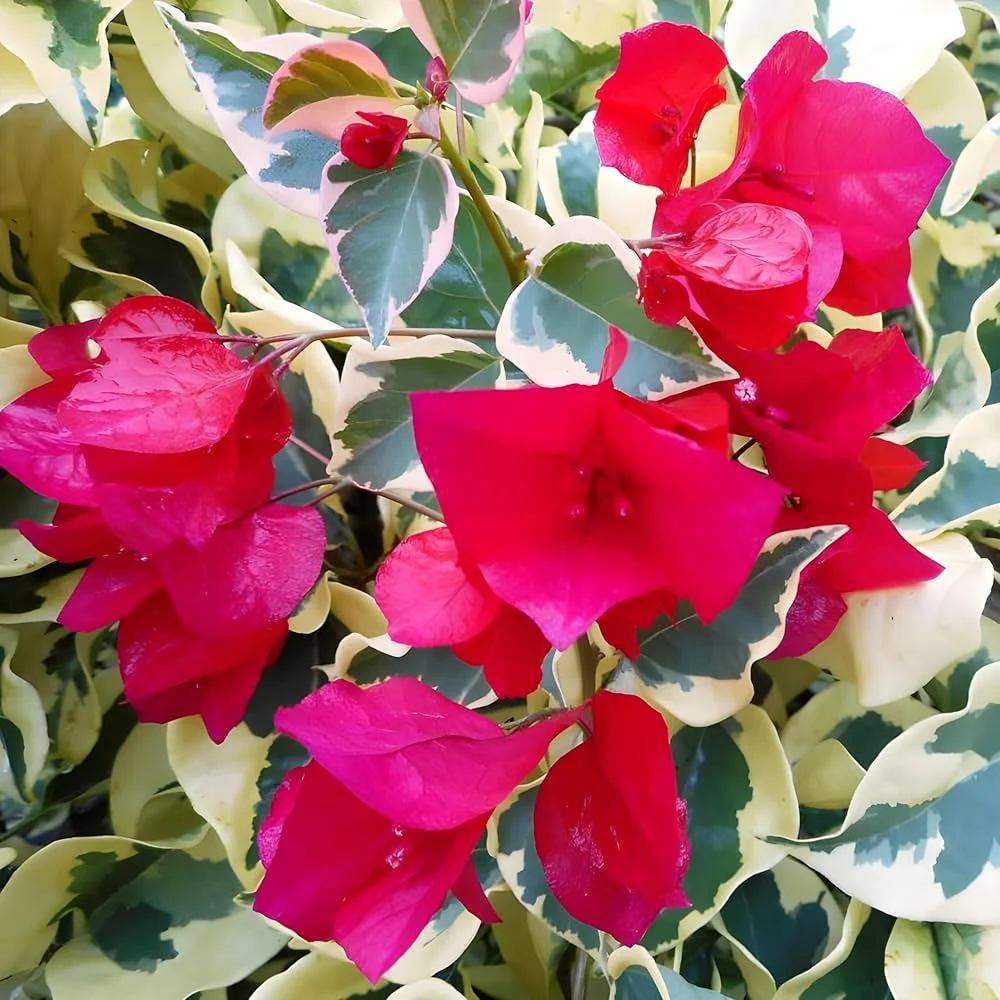
Bougainvillea 'Dr. Rao' is a vigorous pink-magenta cultivar named after renowned Indian horticulturist Dr. BV Rao. It rewards full sun, sharp drainage, and lean feeding with dense, repeated flowering cycles in tropical and subtropical gardens.
-
Light
Full sun is essential for best bloom production.
-
Temperature
65°F – 95°F
Growth
Fast
pH Range
5.5 – 6.5
-
Biggest Owner Mistake
Treating Dr. Rao like a delicate ornamental. This cultivar is named after a hardy horticulturalist and thrives on neglect. Overwatering and pampering with rich soil and frequent nitrogen feeds produces lush leaves and almost no bracts.
-
What Nobody Tells You
Dr. Rao responds exceptionally well to the 'stress-watering' technique. A deliberate 2–3 week dry-down between deep soaks triggers explosive bloom flushes. Growers who water on a schedule miss this entirely and wonder why their plant is all green.
-
Real Home Conditions
In hot tropical climates, Dr. Rao blooms almost year-round if given full sun and sharp drainage. The danger period is monsoon season — combined high humidity and waterlogged soil causes rapid root rot. Elevate containers and ensure drainage holes are never blocked.
Quick Answer
Bougainvillea 'Dr. Rao' performs best in full sun, lean soil, and very sharp drainage. Water deeply only when the top 5–7 cm dries out, use a low-nitrogen fertiliser, and prune lightly after each bloom flush to stimulate new flowering wood.
Overview
The "Dr. Rao" bougainvillea is a cultivar named after Dr. BV Rao, a renowned Indian horticulturist known for his contributions to the field. While specific details about this cultivar can vary, here are some general characteristics and care guidelines typically associated with bougainvilleas: Appearance Bracts: Bougainvilleas are famous for their colorful bracts, which are often mistaken for flowers. The color of the bracts can range from vibrant shades of pink, red, purple, orange, and white, depending on the cultivar. Flowers: The true flowers of bougainvilleas are small, red, and inconspicuous, surrounded by the showy bracts. Foliage: The leaves are typically green, ovate, and may have a slightly leathery texture, providing a backdrop to the colorful bracts. Growth Habit Size: Bougainvilleas can grow as large, sprawling shrubs or vines, reaching heights of 15 to 30 feet if not pruned. They can also be trained to grow as more compact bushes or hedges. Growth Rate: They are generally fast-growing plants, especially in warm and sunny climates. Care Requirements Light: Bougainvilleas thrive in full sun and require at least 5 to 6 hours of direct sunlight daily to bloom profusely. Soil: Well-draining soil is essential for bougainvilleas. They can tolerate various soil types, including sandy and loamy soils. Water: Once established, bougainvilleas are drought-tolerant plants. Water deeply but infrequently, allowing the soil to dry out between waterings. Fertilizer: Use a balanced, slow-release fertilizer during the growing season to promote healthy growth and blooming. Avoid high-nitrogen fertilizers, which can encourage foliage growth at the expense of flowers. Pruning: Regular pruning helps maintain the desired shape and promotes flowering. Prune after each blooming cycle to encourage new growth and flowering. Climate and Hardiness Temperature: Bougainvilleas are tropical and subtropical plants. They thrive in warm climates and cannot tolerate frost. In colder climates, they can be grown in containers and brought indoors during winter. Hardiness Zones: They are typically hardy in USDA zones 9-11, depending on the specific cultivar. Uses Landscaping: Bougainvilleas are versatile and used in various landscaping applications. They can be trained on trellises, fences, walls, or used as ground covers, adding vibrant color and a tropical feel to gardens and landscapes. Containers: They are also popular container plants and can be grown in pots, hanging baskets, or as specimen plants on patios and balconies. Maintenance Tips Pests and Diseases: Bougainvilleas are generally resistant to pests and diseases. However, they can occasionally be affected by aphids, caterpillars, or spider mites. Regular inspection and appropriate treatment can help manage these issues. Pruning: Besides shaping and promoting flowering, pruning can also help manage the plant's size and vigor, especially in confined spaces or containers. For the most accurate information about the "Dr. Rao" bougainvillea cultivar, it would be beneficial to consult with local nurseries or botanical gardens familiar with this specific variety. They can provide insights into its unique characteristics and any specific care requirements tailored to its growth in your region.
Recommended next actions
Next Best Actions
Use calculators and guides to turn this plant profile into a practical care routine.
Calculator
Bougainvillea Watering Schedule Calculator
Calculate exactly when to water your Bougainvillea using the proven Dry-to-Bloom method.
Guide
Bougainvillea Growing Guide: Sun, Soil, Pruning, and Climate
Complete bougainvillea growing guide for tropical, subtropical, and Mediterranean climates. Learn sunlight, soil mix, pruning, and seasonal care for dwarf balcony pots to large wall climbers.
Guide
The Ultimate Guide to Growing Bougainvillea in Pots
Bougainvillea can thrive in pots when its roots are kept slightly constrained, its drainage is excellent, and its care is adjusted through summer, winter, and monsoon. This guide shows you how to keep it blooming heavily in containers all year long.
Guide
Top 10 Bougainvillea Varieties for Indian Gardens — With Where to Buy Guide
The 10 best bougainvillea varieties for Indian gardens, ranked by performance in heat, humidity, and monsoon conditions. Includes care level, bloom frequency, pot suitability, and where to source each variety in India.
Calculator
Bougainvillea Heat Stress & Watering Calculator
Diagnose heat stress in potted Bougainvilleas during extreme summer weather.
Calculator
Bougainvillea Garden Mulch Calculator
Calculate exact mulch volumes while learning how to apply it safely around Bougainvilleas.
Structured Plant Data
Plant Data Profile
Care values below are generated from the plant JSON fields so users and crawlers can read the structured plant profile directly on the page.
Growth Characteristics
Growth Rate
Fast
Mature Height
3–6 m with support; 1.5–2.5 m in containers with regular pruning
Mature Spread
6-15 feet
Life Cycle
Perennial
Flowering Season
Year-round in tropical climates
Container Friendly
yes
Indoor Capable
no
Habit
Vigorous woody vine; can be trained as climber, standard, espalier, or cascading specimen
Spread
2–5 m depending on pruning and support structure
Thorns
Substantial and sharp; dense along mature canes
Leaf
Medium green, ovate, slightly glossy, 4–8 cm long
Bract Colours
Bright pink to magenta; intense saturated colour
True Flower
Tiny white tubular blooms clustered at centre of bract trusses
Bloom Cycles
Repeat bloomer; peaks in late spring, mid-summer, and early autumn in warm climates; year-round in tropics
Seed Production
Produces viable seed; can self-sow in warm climates
Origin
Hybrid cultivar
Environmental Parameters
| Parameter | Recommended | Survivable |
|---|---|---|
| Temperature | 65°F – 95°F | 50°F – 105°F |
| Humidity | 40% – 70% | 30% – 85% |
| Soil PH | 5.5 – 6.5 | 5.0 – 7.0 |
Lighting
Description
Full sun is essential for best bloom production.
Nutrients
Nitrogen Demand
moderate
Phosphate Demand
high
Potassium Demand
high
Micronutrient Notes
Benefits from iron and magnesium supplementation.
Fertilizer Frequency
Every 2-4 weeks during active growth.
Organic Options
Compost tea and bone meal.
Relationships
-
Root Rot
Vulnerability | High vulnerability
Susceptible to root rot in waterlogged soil.
Growing Position
Placement Notes
Requires maximum sun.
Best Directions
South Or West
Best Rooms
Outdoor position
Light Range
Full sun
Care Profile
Outdoor flowering vine
Troubleshooting Guide
1 Lush green growth but weak or absent bract display
Cause: Too little direct sun or too much nitrogen promoting foliage over flowers.
Move it to full sun and avoid heavy nitrogen feeding.
2 Yellowing, wilting, or sudden decline after watering
Cause: Roots staying too wet for too long in compacted or poorly drained soil.
Improve drainage, reduce watering, and let the top layer dry before watering again.
3 Long, bare stems with blooms only at the tips
Cause: The plant has not been trained or tip-pruned after bloom flushes.
Lightly prune after each flush to keep the plant compact and productive.
Glossary of Terms
- Bracts
- The large, papery, colourful modified leaves of a bougainvillea that are commonly mistaken for flowers. The actual flowers are the small, tubular white structures held at the centre of each bract cluster.
- Stress-Watering
- A deliberate watering technique where the plant is allowed to dry out significantly between deep waterings, mimicking seasonal drought. This stress triggers heavier flowering in bougainvillea.
- Lateral Shoot
- A side branch that grows from a main cane. In bougainvillea, new bract production occurs almost exclusively on lateral shoots. Pruning encourages more laterals and therefore more blooms.