Bougainvillea Vera Lynn
Bougainvillea 'Vera Lynn'
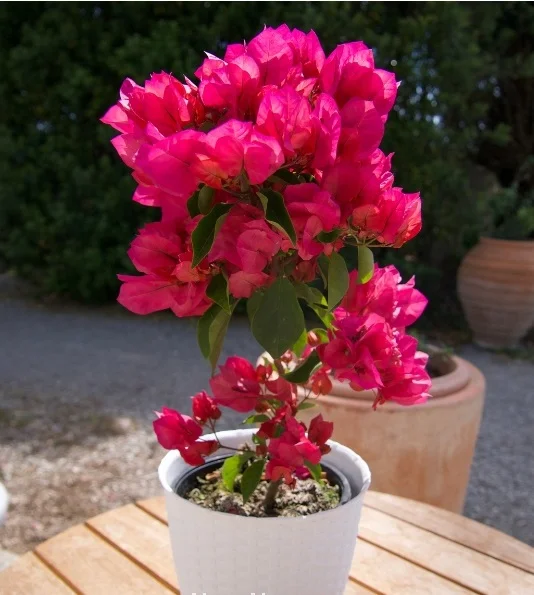
This Vera Lynn bougainvillea is valued for its bright pink to magenta bracts and its vigorous climber with strong repeat bloom. In warm tropical and subtropical gardens, it performs as a resilient ornamental climber that rewards full sun, sharp drainage, and a restrained feeding regime with long flushes of colour.
-
Light
Full sun is essential for best bloom production.
-
Temperature
65°F – 95°F
Growth
fast
pH Range
5.5 – 6.5
-
Avoid Soft Growth
Too much nitrogen pushes leaves and can reduce bract display, especially in hot climates where this cultivar should stay relatively lean.
-
Blooming Follows Stress Cycles
This bougainvillea flowers best when roots are slightly dry between waterings; constant moisture keeps it vegetative instead of floriferous.
-
Heat and Light Shape Performance
In tropical and subtropical gardens, maximum sun and good air movement are the difference between a sparse climber and a heavy-blooming specimen.
Quick Answer
Grow Vera Lynn in full sun, lean soil, and very sharp drainage to keep its bract colour strong and blooming continuous.
Overview
The Vera Lynn bougainvillea is a popular cultivar of the Bougainvillea plant, known for its vibrant and eye-catching flowers. Here are some key features and care tips for this plant: Key Features: Flowers: The Veera Lyne bougainvillea is noted for its stunning clusters of bracts that can range in color from magenta to purple. The actual flowers are small and white, surrounded by the colorful bracts. Growth Habit: This cultivar typically grows as a woody vine or shrub. It can be trained to grow on trellises, fences, or as a ground cover. Foliage: The leaves are typically green, providing a lush background that contrasts beautifully with the bright bracts. Care Tips: Sunlight: Bougainvilleas thrive in full sunlight. Ensure they receive at least 6 hours of direct sunlight daily for optimal blooming. Watering: These plants prefer well-draining soil and should be watered deeply but infrequently. Allow the soil to dry out between waterings. Soil: Well-draining soil is crucial. A mix of garden soil, sand, and compost can provide the right balance. Fertilizing: Use a balanced fertilizer during the growing season to encourage blooming. Avoid high nitrogen fertilizers as they promote leaf growth over flowers. Pruning: Regular pruning helps maintain the shape and encourages new growth. Prune after the main flowering period to promote more blooms. Temperature: Bougainvilleas are frost-sensitive. They thrive in warm climates and should be protected from frost or brought indoors in cooler regions. Uses: Ornamental: Veera Lyne bougainvilleas are popular in gardens and landscapes for their vibrant colors and can be used as climbers, hedges, or ground covers. Containers: They can be grown in large containers, which can be moved indoors during colder weather. With proper care, the Veera Lyne bougainvillea can be a stunning addition to any garden or landscape, providing a burst of color and a tropical feel.
Recommended next actions
Next Best Actions
Use calculators and guides to turn this plant profile into a practical care routine.
Calculator
Bougainvillea Watering Schedule Calculator
Calculate exactly when to water your Bougainvillea using the proven Dry-to-Bloom method.
Guide
Best Fertilizer for Bougainvillea in 2026 – NPK Ratios That Actually Work
A no-nonsense 2026 guide to bougainvillea fertilization: the NPK ratios that actually produce bracts (not just leaves), what Indian-market products to use, what to avoid, and a season-by-season feeding calendar tested in West Bengal.
Guide
Best Fertilizer for Bougainvillea: Feed for Bracts, Not Leaves (Global Guide)
Global guide to bougainvillea fertilizer: organic vs synthetic, low-nitrogen NPK ratios, feeding schedules for pots and ground, and how to trigger heavy blooms without excess leaf growth.
Guide
Bougainvillea Growing Guide: Sun, Soil, Pruning, and Climate
Complete bougainvillea growing guide for tropical, subtropical, and Mediterranean climates. Learn sunlight, soil mix, pruning, and seasonal care for dwarf balcony pots to large wall climbers.
Calculator
Bougainvillea Potting Mix Calculator
Calculate the exact volumes of perlite, compost, and soil for a fast-draining Bougainvillea mix.
Calculator
Bougainvillea Grow Bag Size Calculator
Calculate the ideal fabric grow bag volume for massive Bougainvillea growth.
Structured Plant Data
Plant Data Profile
Care values below are generated from the plant JSON fields so users and crawlers can read the structured plant profile directly on the page.
Growth Characteristics
Growth Rate
fast
Mature Height
10-20 feet with support
Mature Spread
6-15 feet
Life Cycle
Perennial
Flowering Season
Year-round in tropical climates
Container Friendly
yes
Indoor Capable
no
Environmental Parameters
| Parameter | Recommended | Survivable |
|---|---|---|
| Temperature | 65°F – 95°F | 50°F – 105°F |
| Humidity | 40% – 70% | 30% – 85% |
| Soil PH | 5.5 – 6.5 | 5.0 – 7.0 |
Lighting
Description
Full sun is essential for best bloom production.
Nutrients
Nitrogen Demand
moderate
Phosphate Demand
high
Potassium Demand
high
Micronutrient Notes
Benefits from iron and magnesium supplementation.
Fertilizer Frequency
Every 2-4 weeks during active growth.
Organic Options
Compost tea and bone meal.
Relationships
-
Root Rot
Vulnerability | High vulnerability
Susceptible to root rot in waterlogged soil.
Growing Position
Placement Notes
Requires maximum sun.
Best Directions
South Or West
Best Rooms
Outdoor position
Light Range
Full sun
Care Profile
Outdoor flowering vine
Troubleshooting Guide
1 Lush green growth but weak or absent bract display
Cause: Too little direct sun or too much nitrogen promoting foliage over flowers.
Move it to full sun and avoid heavy nitrogen feeding.
2 Yellowing, wilting, or sudden decline after watering
Cause: Roots staying too wet for too long in compacted or poorly drained soil.
Improve drainage, reduce watering, and let the top layer dry before watering again.
3 Long, bare stems with blooms only at the tips
Cause: The plant has not been trained or tip-pruned after bloom flushes.
Lightly prune after each flush to keep the plant compact and productive.