Transplant Shock
Prevent and recover from transplant shock in bougainvillea: root disturbance symptoms, repotting aftercare, wilting vs. root rot, and recovery timeline.
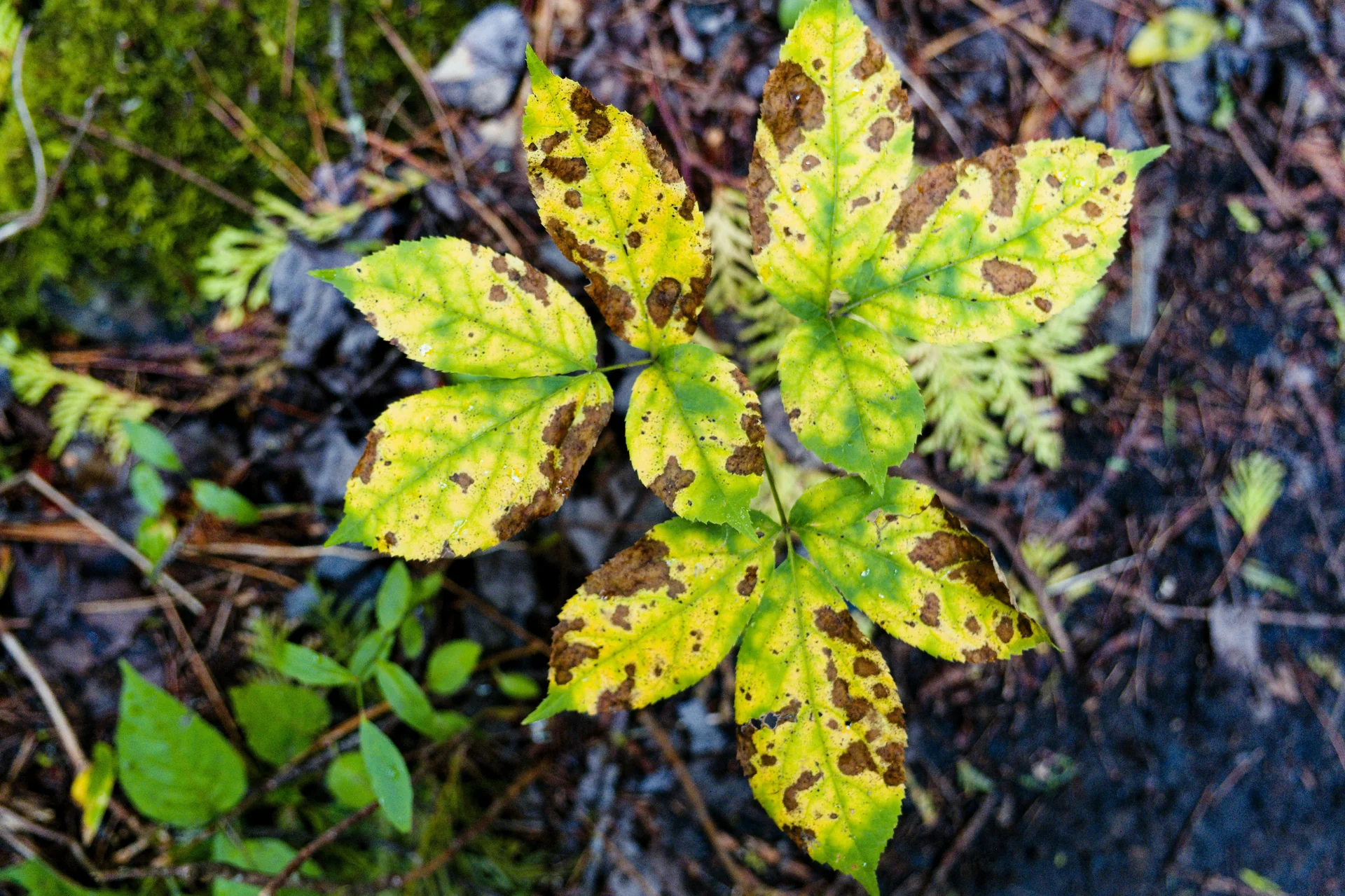
What Is Transplant Shock?
Transplant shock is a common phenomenon that occurs when a plant is subjected to sudden changes in its environment, such as being moved from one location to another or from one type of soil to another. This shock can cause the plant to experience stress, leading to a range of symptoms including wilting, yellowing leaves, and reduced growth.
The underlying science behind transplant shock is rooted in the plant's ability to adapt to its environment. When a plant is transplanted, it must adjust to new soil, light, and water conditions, which can be a significant challenge. The plant's roots, in particular, must adapt to the new soil conditions, which can take time.
Transplant shock can be caused by a range of factors, including sudden changes in temperature, light, and water, as well as the use of inadequate or poor-quality potting mix. It can also be caused by the physical stress of being transplanted, which can cause the plant's roots to become damaged or disturbed.
Tools and Materials You'll Need
- A well-draining potting mix
- A pot that is only slightly larger than the plant's current pot
- A watering can or cup
- A pair of clean scissors or pruning shears
- A propagation tray or propagation mat
- A clear plastic bag or cloche
- A thermometer and hygrometer
- A soil moisture meter
Signs and Symptoms
- Wilting or drooping leaves
- Yellowing or browning leaves
- Reduced growth or stunted growth
- Leaf drop or defoliation
- Root bound or circling roots
- Waterlogged soil or root rot
- Unusual odors or fungal growth
Step-by-Step: How to Treat Transplant Shock
- Water the plant thoroughly the day before transplanting to ensure the soil is moist but not waterlogged.
- Choose a pot that is only slightly larger than the plant's current pot to minimize root disturbance.
- Use a well-draining potting mix to prevent waterlogged soil and root rot.
- Transplant the plant in the morning or early afternoon when the sun is not too intense.
- Water the plant thoroughly after transplanting and keep the soil consistently moist but not waterlogged.
- Provide the plant with bright, indirect light and maintain a consistent temperature between 65-75°F (18-24°C).
- Monitor the plant's progress and adjust its care as needed to prevent further stress and promote healthy growth.
Best Practices and Pro Tips
- Tip 1: Choose the Right Potting Mix Select a well-draining potting mix that is specifically designed for bougainvillea to prevent waterlogged soil and root rot.
- Tip 2: Avoid Overwatering Water the plant thoroughly after transplanting and keep the soil consistently moist but not waterlogged to prevent root rot and other problems.
- Tip 3: Provide Bright, Indirect Light Transplanted plants often require bright, indirect light to recover from the shock of being moved. Place the plant in a location with bright, indirect light to promote healthy growth.
- Tip 4: Maintain a Consistent Temperature Transplanted plants often require a consistent temperature between 65-75°F (18-24°C) to recover from the shock of being moved. Keep the plant in a location with a consistent temperature to promote healthy growth.
- Tip 5: Monitor the Plant's Progress Monitor the plant's progress and adjust its care as needed to prevent further stress and promote healthy growth.
Quick Reference Table
| Factor | Recommended Range | Why It Matters |
|---|---|---|
| Potting Mix | Well-draining potting mix | Prevents waterlogged soil and root rot |
| Watering | Consistently moist but not waterlogged | Prevents root rot and other problems |
| Light | Bright, indirect light | Promotes healthy growth and recovery |
| Temperature | 65-75°F (18-24°C) | Prevents stress and promotes healthy growth |
| Humidity | 40-60% | Prevents stress and promotes healthy growth |
| Soil Moisture | Consistently moist but not waterlogged | Prevents root rot and other problems |
Bougainvillea cuttings can be challenging but rewarding. Semi-hardwood cuttings taken in late spring to early summer generally yield the best results. While easier-to-root plants might not need rooting hormone, woody bougainvillea stems benefit greatly from a strong IBA rooting hormone and bottom heat to encourage successful callus formation and root development.
Common Mistakes to Avoid
- Mistake 1: Overwatering Water the plant thoroughly after transplanting and keep the soil consistently moist but not waterlogged to prevent root rot and other problems.
- Mistake 2: Underwatering Water the plant thoroughly after transplanting and keep the soil consistently moist but not waterlogged to prevent root rot and other problems.
- Mistake 3: Not Providing Enough Light Transplanted plants often require bright, indirect light to recover from the shock of being moved. Place the plant in a location with bright, indirect light to promote healthy growth.
- Mistake 4: Not Maintaining a Consistent Temperature Transplanted plants often require a consistent temperature between 65-75°F (18-24°C) to recover from the shock of being moved. Keep the plant in a location with a consistent temperature to promote healthy growth.
- Mistake 5: Not Monitoring the Plant's Progress Monitor the plant's progress and adjust its care as needed to prevent further stress and promote healthy growth.
Frequently Asked Questions
Q: What is transplant shock?
Transplant shock is a common phenomenon that occurs when a plant is subjected to sudden changes in its environment, such as being moved from one location to another or from one type of soil to another. This shock can cause the plant to experience stress, leading to a range of symptoms including wilting, yellowing leaves, and reduced growth.
Q: How can I prevent transplant shock?
To prevent transplant shock, choose a well-draining potting mix, water the plant thoroughly after transplanting, and provide bright, indirect light and a consistent temperature between 65-75°F (18-24°C). Monitor the plant's progress and adjust its care as needed to prevent further stress and promote healthy growth.
Q: What are the signs and symptoms of transplant shock?
The signs and symptoms of transplant shock include wilting or drooping leaves, yellowing or browning leaves, reduced growth or stunted growth, leaf drop or defoliation, root bound or circling roots, waterlogged soil or root rot, and unusual odors or fungal growth.
Q: How can I treat transplant shock?
To treat transplant shock, water the plant thoroughly after transplanting, provide bright, indirect light and a consistent temperature between 65-75°F (18-24°C), and monitor the plant's progress and adjust its care as needed to prevent further stress and promote healthy growth.
Q: Can I prevent transplant shock by using a propagation tray or propagation mat?
Yes, using a propagation tray or propagation mat can help prevent transplant shock by providing a controlled environment for the plant to adapt to its new surroundings.
Q: How long does it take for a plant to recover from transplant shock?
The time it takes for a plant to recover from transplant shock can vary depending on the plant's species, age, and growing conditions. However, with proper care and attention, most plants can recover from transplant shock within 1-2 weeks.
Related Plants
Plant Guide
Dr. Rao
Bougainvillea 'Dr. Rao' is a vigorous pink-magenta cultivar named after renowned Indian horticulturist Dr. BV Rao. It rewards full sun, sharp drainage, and lean feeding with dense, repeated flowering cycles in tropical and subtropical gardens.
Plant Guide
21 Jewel Pink Variegated
This 21 Jewel Pink Variegated bougainvillea is valued for its pink with cream or white variegation bracts and its floriferous climber with reliable warm-season colour. In warm tropical and subtropical gardens, it performs as a resilient ornamental climber that rewards full sun, sharp drainage, and a restrained feeding regime with long flushes of colour.
Plant Guide
21 Jewel Pink
This 21 Jewel Pink bougainvillea is valued for its pink to deep rose bracts and its floriferous climber with reliable warm-season colour. In warm tropical and subtropical gardens, it performs as a resilient ornamental climber that rewards full sun, sharp drainage, and a restrained feeding regime with long flushes of colour.
Plant Guide
21 Jewel Yellow
This 21 Jewel Yellow bougainvillea is valued for its golden yellow to creamy yellow bracts and its sun-loving climber that shows best colour in bright, hot exposure. In warm tropical and subtropical gardens, it performs as a resilient ornamental climber that rewards full sun, sharp drainage, and a restrained feeding regime with long flushes of colour.
Plant Guide
3 Star
This 3 Star bougainvillea is valued for its bright pink to magenta bracts and its vigorous climber with strong repeat bloom. In warm tropical and subtropical gardens, it performs as a resilient ornamental climber that rewards full sun, sharp drainage, and a restrained feeding regime with long flushes of colour.
Plant Guide
7 Star
This 7 Star bougainvillea is valued for its bright pink to magenta bracts and its vigorous climber with strong repeat bloom. In warm tropical and subtropical gardens, it performs as a resilient ornamental climber that rewards full sun, sharp drainage, and a restrained feeding regime with long flushes of colour.
Related Articles
Guide
Why Your Bougainvillea is Dropping Leaves (And How to Save It)
Bougainvillea leaf drop is usually a stress signal, not a death sentence. This guide explains the most common causes, how to diagnose them quickly, and the exact steps to restore growth before the plant declines further.
Guide
Common Bougainvillea Problems & Fixes: Root Rot, No Blooms, Yellow Leaves (Complete Guide)
The 8 most common bougainvillea problems diagnosed and fixed: root rot, no blooms, yellow leaves, leaf drop, leggy growth, pests, powdery mildew, and overwatering. Each entry includes symptoms, cause, exact fix, and expected recovery time.
Guide
How I Saved My Overwatered Bougainvillea: A Step-by-Step Personal Account
A first-person account from Soumen Maitra: how a Barbara Karst in Kolkata nearly died from overwatering during the 2025 monsoon, the mistakes that made it worse, and the emergency repot procedure that saved it. Documented step by step.
Guide
Early Identification of Common Bougainvillea Diseases and Effective Responses
Learn to spot early signs of bougainvillea diseases: leaf spot, root rot, and dieback. Practical treatment tips for high-humidity tropical and monsoon conditions.
Guide
How to Water Bougainvillea Without Killing the Bloom Cycle (Global Guide)
Master bougainvillea watering worldwide: use the dry-down method to prevent root rot, trigger heavy blooming, and adjust for pots, ground, and all climates.
Guide
Step-by-Step Guide to Propagating Bougainvillea
Propagating bougainvillea from cuttings is the most reliable way to clone your favorite plant, especially in Western climates where seasonal temperature swings affect rooting speed. This guide explains the best cutting type, the ideal time of year, and the humidity-and-drainage balance that prevents rot.
Related Calculators & Tools
Calculator
Bougainvillea Garden Mulch Calculator
Calculate exact mulch volumes while learning how to apply it safely around Bougainvilleas.
Calculator
Bougainvillea Heat Stress & Watering Calculator
Diagnose heat stress in potted Bougainvilleas during extreme summer weather.
Calculator
Bougainvillea Neem Oil & Pest Calculator
Calculate precise neem oil dilutions to eradicate Bougainvillea Loopers and aphids.
Calculator
Bougainvillea Potting Mix Calculator
Calculate the exact volumes of perlite, compost, and soil for a fast-draining Bougainvillea mix.
Calculator
Bougainvillea Repotting Calculator
Calculate exact pot size upgrades while learning how to protect their fragile roots.
Calculator
Bougainvillea Compost Top-Dressing Calculator
Calculate precise compost volumes to naturally amend your Bougainvillea garden beds.