Underwatering
Recognize underwatering in bougainvillea: wilting, crispy leaf margins, dry soil, and how to rehydrate container plants without triggering root rot.
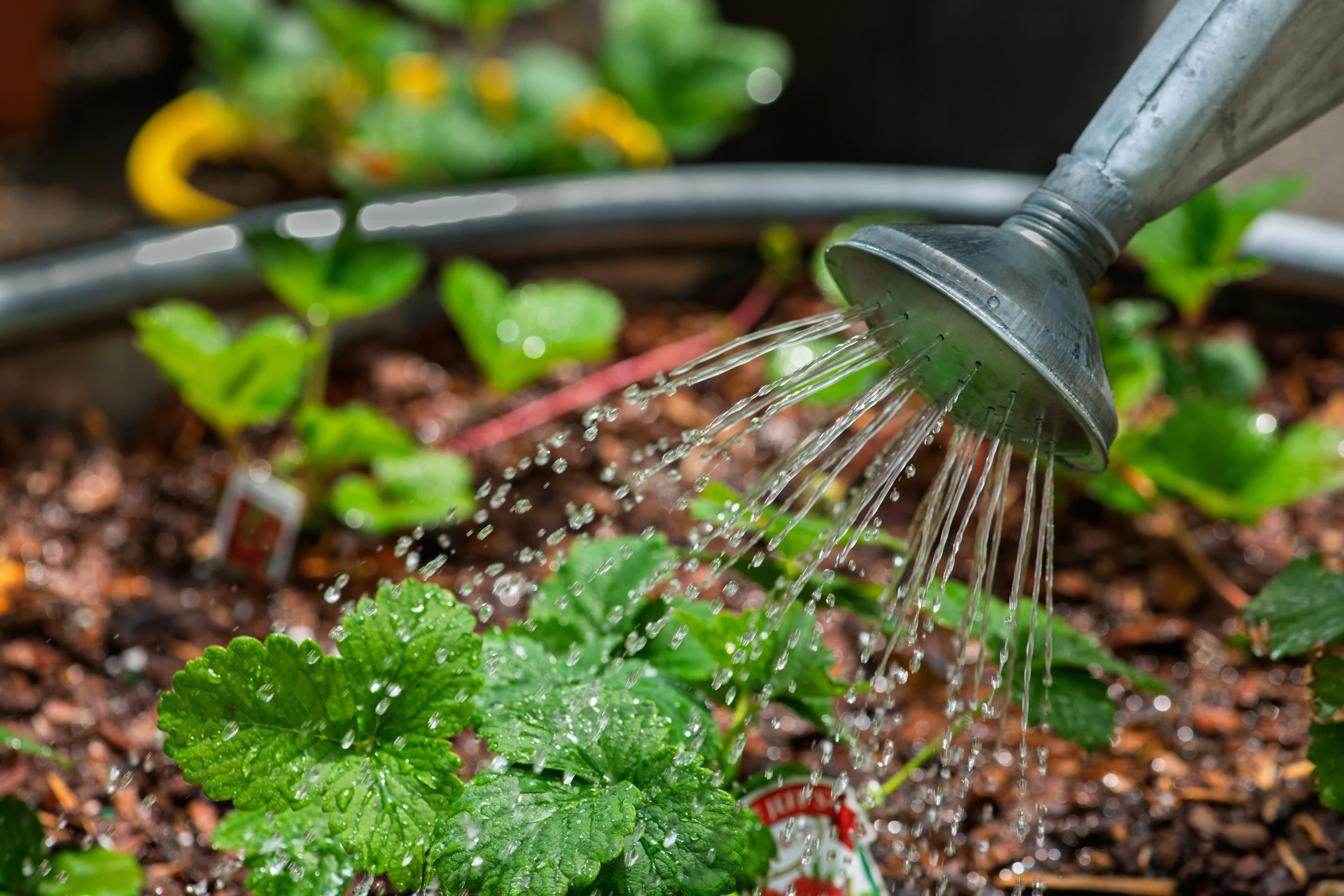
What Is Underwatering?
Underwatering is a condition that occurs when a plant does not receive enough moisture to support normal physiological processes. Water is essential for photosynthesis, nutrient transport, cell expansion, and temperature regulation. When soil moisture becomes insufficient for an extended period, roots cannot absorb enough water to meet the plant's demands, resulting in stress and visible symptoms.
Plants maintain rigidity through turgor pressure, which is created when water fills plant cells. During periods of inadequate moisture, cells lose water faster than it can be replaced. As turgor pressure declines, leaves and stems begin to wilt. If drought stress continues, the plant may prioritize survival over growth by reducing photosynthesis, slowing new development, and shedding older foliage.
Underwatering also affects nutrient availability. Most mineral nutrients move into roots through water within the growing medium. When the root zone becomes excessively dry, nutrient uptake declines, even if fertilizer is present. This can lead to nutrient deficiency symptoms and reduced overall vigor.
Although some drought-adapted species such as succulents and cacti can tolerate extended dry periods, many tropical foliage plants prefer relatively consistent moisture. Recognizing the signs of underwatering early allows corrective action before permanent damage occurs.
Signs and Symptoms
- Wilting Leaves: Foliage throughout the plant appears limp and droops downward, often becoming more severe during the warmest part of the day.
- Crispy Leaf Margins: Leaf edges develop dry, brown tissue that begins at the tips and gradually progresses inward.
- Dry Growing Medium: Soil pulls away from the sides of the container and feels dry throughout much of the root zone.
- Premature Leaf Drop: Older leaves, particularly those near the lower portion of the plant, yellow and fall as drought stress increases.
- Slow New Growth: Emerging leaves and shoots appear smaller than normal and develop at a reduced rate.
- Wrinkled Foliage: Leaves lose firmness and may develop a thin, folded, or shriveled appearance as water reserves decline.
- Lightweight Container: The pot becomes noticeably lighter because most available moisture has been depleted from the growing medium.
Step-by-Step: How to Treat Underwatering
- Check the growing medium and confirm that drought stress is present rather than assuming watering is the problem.
- Move the plant temporarily out of intense direct sunlight if severe wilting is evident.
- Water slowly and thoroughly until excess water drains from the bottom of the container.
- Allow the root zone to absorb moisture for 10–15 minutes if the soil has become extremely dry.
- Empty excess water from drainage trays within 30 minutes after watering.
- Monitor leaf recovery during the next 24–48 hours and repeat moisture checks regularly.
- Adjust future watering practices based on plant size, pot volume, season, and drying rate.
Best Practices and Pro Tips
- Check Before Watering: Assess soil moisture rather than relying on a calendar schedule.
- Inspect Weekly: Evaluate root-zone moisture at least every 7 days and more frequently during active growth.
- Water Thoroughly: Apply enough water to fully hydrate the root zone instead of providing small amounts frequently.
- Watch Pot Weight: Compare container weight before and after watering to better understand moisture loss.
- Adjust Seasonally: Plants often require more frequent irrigation during periods of vigorous growth and higher temperatures.
Quick Reference Table
| Factor | Recommended Range | Why It Matters |
|---|---|---|
| Moisture Inspection | At least every 7 days | Helps prevent prolonged drought stress. |
| Recovery Observation | 24–48 hours | Indicates whether watering corrected the issue. |
| Tray Emptying | Within 30 minutes | Prevents unnecessary root exposure to standing water. |
| Rehydration Soak | 10–15 minutes | Helps restore moisture to very dry growing media. |
| Watering Method | Until drainage occurs | Ensures complete root-zone hydration. |
Bougainvillea are particularly susceptible to this issue when their environmental needs are not met. While they are resilient drought-tolerant plants in the ground, container-grown bougainvillea require careful monitoring. Cultivars like 'Barbara Karst', 'San Diego Red', and 'Texas Dawn' can quickly show symptoms if root health, lighting, or watering practices are sub-optimal.
Common Mistakes to Avoid
- Waiting for Severe Wilting: Allowing plants to remain wilted for several days increases stress and may slow recovery.
- Applying Small Amounts of Water: Light watering may moisten only the upper soil layer while deeper roots remain dry.
- Ignoring Seasonal Changes: Water demand often increases during active growth and warmer conditions.
- Using Oversized Pots Incorrectly: Assuming a larger container eliminates watering needs can lead to uneven moisture management.
- Failing to Monitor Soil Moisture: Regular inspections at least every 7 days help prevent prolonged drought stress.
Related Plants
Plant Guide
'Adarna' (Shikendari)
Bougainvillea 'Adarna' (Shikendari) is a rare collector's cultivar prized for its spectacular multicoloured bracts that shift between yellow, orange, and deep pink-magenta. A prolific bloomer for hot, full-sun gardens, fences, and large containers across tropical India.
Plant Guide
'Barbara Karst'
Bougainvillea 'Barbara Karst' is a vigorous, popular cultivar prized for its brilliant magenta-red bracts and prolific, nearly year-round blooming habit. One of the hardiest bougainvilleas, it thrives in hot, full-sun gardens, on fences and trellises, and in large containers across tropical and subtropical climates.
Plant Guide
'California Gold'
Bougainvillea 'California Gold' is a vigorous and popular cultivar prized for its stunning, warm golden-yellow bracts that sometimes shift to a bronze-orange as they age. A prolific bloomer for hot, full-sun gardens, fences, trellises, and containers across tropical and subtropical climates.
Plant Guide
'Elizabeth Angus' (Purple Bougainvillea)
Bougainvillea 'Elizabeth Angus' is a popular and vigorous cultivar prized for its spectacular deep purple bracts and glossy, dark green foliage. A prolific bloomer for hot, full-sun gardens, fences, and containers across tropical and subtropical climates.
Plant Guide
Eva Variegated
This Eva Variegated bougainvillea is valued for its mixed pink, cream, orange, or white tones bracts and its best grown in bright sun to preserve leaf variegation and vivid bracts. In warm tropical and subtropical gardens, it performs as a resilient ornamental climber that rewards full sun, sharp drainage, and a restrained feeding regime with long flushes of colour.
Plant Guide
Golden Summer Tricolour
This Golden Summer Tricolour bougainvillea is valued for its mixed pink, cream, orange, or white tones bracts and its best grown in bright sun to preserve leaf variegation and vivid bracts. In warm tropical and subtropical gardens, it performs as a resilient ornamental climber that rewards full sun, sharp drainage, and a restrained feeding regime with long flushes of colour.
Related Articles
Guide
How to Water Bougainvillea Without Killing the Bloom Cycle (Global Guide)
Master bougainvillea watering worldwide: use the dry-down method to prevent root rot, trigger heavy blooming, and adjust for pots, ground, and all climates.
Guide
Why Your Bougainvillea is Dropping Leaves (And How to Save It)
Bougainvillea leaf drop is usually a stress signal, not a death sentence. This guide explains the most common causes, how to diagnose them quickly, and the exact steps to restore growth before the plant declines further.
Guide
Common Bougainvillea Problems & Fixes: Root Rot, No Blooms, Yellow Leaves (Complete Guide)
The 8 most common bougainvillea problems diagnosed and fixed: root rot, no blooms, yellow leaves, leaf drop, leggy growth, pests, powdery mildew, and overwatering. Each entry includes symptoms, cause, exact fix, and expected recovery time.
Guide
How I Saved My Overwatered Bougainvillea: A Step-by-Step Personal Account
A first-person account from Soumen Maitra: how a Barbara Karst in Kolkata nearly died from overwatering during the 2025 monsoon, the mistakes that made it worse, and the emergency repot procedure that saved it. Documented step by step.
Guide
Best Fertilizer for Bougainvillea: Feed for Bracts, Not Leaves (Global Guide)
Global guide to bougainvillea fertilizer: organic vs synthetic, low-nitrogen NPK ratios, feeding schedules for pots and ground, and how to trigger heavy blooms without excess leaf growth.
Guide
Early Identification of Common Bougainvillea Diseases and Effective Responses
Learn to spot early signs of bougainvillea diseases: leaf spot, root rot, and dieback. Practical treatment tips for high-humidity tropical and monsoon conditions.
Related Calculators & Tools
Calculator
Bougainvillea Garden Mulch Calculator
Calculate exact mulch volumes while learning how to apply it safely around Bougainvilleas.
Calculator
Bougainvillea Watering Schedule Calculator
Calculate exactly when to water your Bougainvillea using the proven Dry-to-Bloom method.
Calculator
Bougainvillea Potting Mix Calculator
Calculate the exact volumes of perlite, compost, and soil for a fast-draining Bougainvillea mix.
Calculator
Bougainvillea Repotting Calculator
Calculate exact pot size upgrades while learning how to protect their fragile roots.
Calculator
Bougainvillea Compost Top-Dressing Calculator
Calculate precise compost volumes to naturally amend your Bougainvillea garden beds.
Calculator
Bougainvillea Heat Stress & Watering Calculator
Diagnose heat stress in potted Bougainvilleas during extreme summer weather.