Arjuna Bougainvillea Guide — Care, Colors, and Why It's a Must-Grow
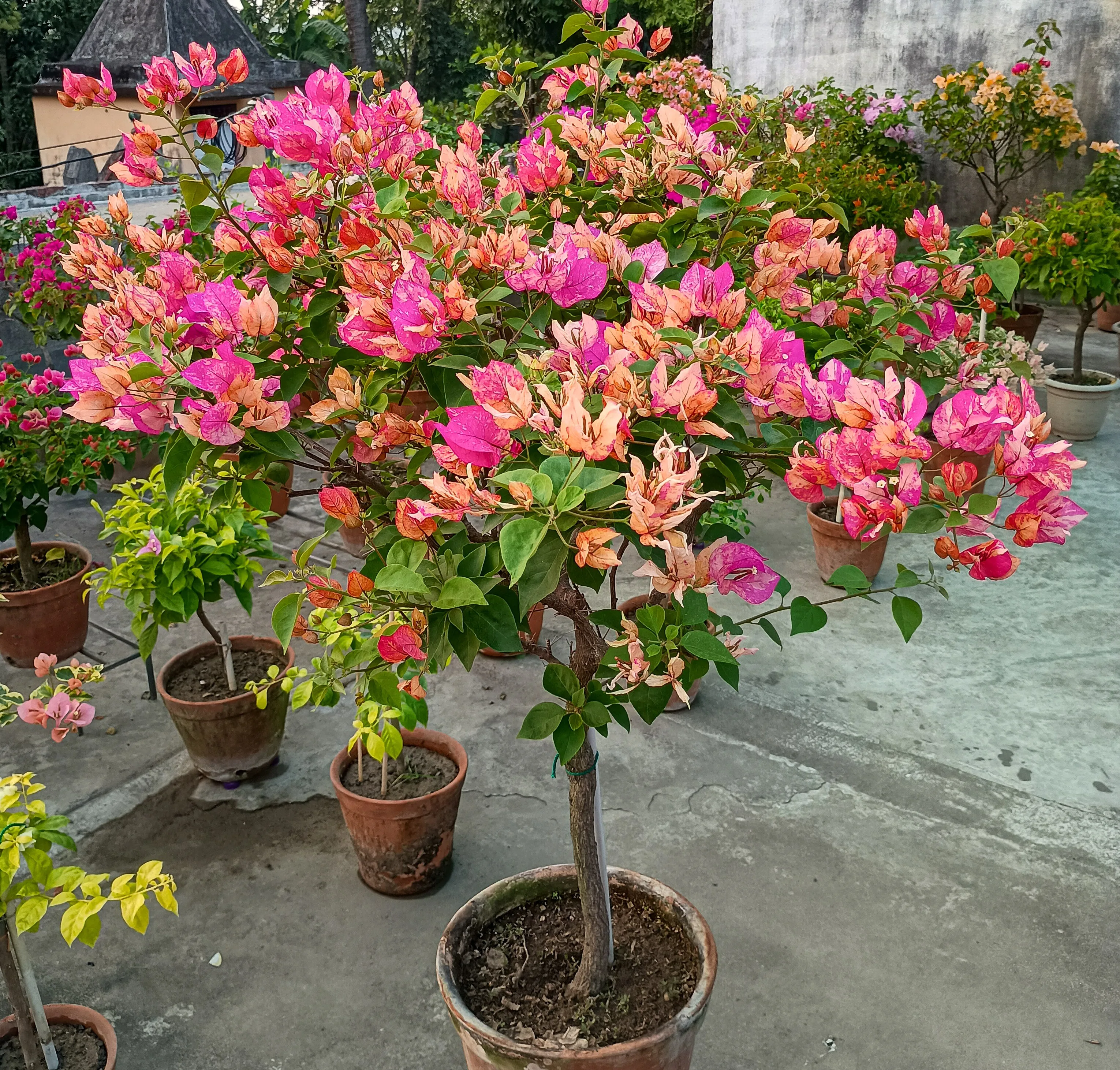
The Arjuna Bougainvillea is a near-year-round bloomer prized for its vivid multi-color flowers, disease resistance, and beginner-friendly nature. Here's why it earns a spot in every garden, plus a full care guide.
Quick Answer
Arjuna Bougainvillea is a multi-color variety known for near-continuous blooming, unusually rich flower color, strong disease resistance (especially during monsoon), and easy training into a bushy shape. It grows well in pots or the ground, tolerates beginner mistakes better than most varieties, and rewards minimal care with maximum color — making it one of the best all-round choices for both new and experienced gardeners.
What Makes the Arjuna Bougainvillea Different
Walk into any serious bougainvillea collector's garden in India and there's a good chance you'll find an Arjuna. It isn't the rarest variety or the most talked-about on social media, but it consistently outperforms flashier cultivars where it counts: it blooms more often, survives more mistakes, and holds its color better than most multi-colored types. If you're deciding which bougainvillea to add next — or which one to start with — here's why Arjuna deserves serious consideration.
1. Near Year-Round Blooming
Most bougainvillea varieties go through a distinct rest period, especially during the coolest winter months or right after a hard prune. Arjuna is different — it holds bracts for the majority of the year, with only brief lulls after heavy pruning or extreme cold snaps. For gardeners who want continuous color rather than a single dramatic flush followed by weeks of bare green growth, this is Arjuna's single biggest advantage.
To keep the bloom cycle going, avoid two common habits: overwatering (which pushes leafy growth instead of flowers) and high-nitrogen fertilizer. A mild drought-stress cycle — watering only once the topsoil is dry — keeps Arjuna flowering steadily.
Tip: Reading the Bloom Rhythm
If Arjuna stops flowering for more than 3–4 weeks outside of winter, check sunlight first (it needs 6+ hours of direct sun) before assuming anything is wrong. Most "no bloom" complaints trace back to a shadier spot than the plant actually needs.
2. Outstanding, Long-Lasting Flower Color
Bougainvillea flowers are technically bracts — modified leaves — and their pigment intensity depends heavily on both genetics and growing conditions. Arjuna's bracts are noticeably richer and more saturated than many other multi-colored varieties, and importantly, the color holds well rather than fading quickly in strong sun. This is one reason nurseries and landscapers reach for Arjuna when a garden needs a reliable pop of color that doesn't wash out by midsummer.
Color intensity is strongest under full sun with moderate, balanced fertilizing — heavy nitrogen feeding softens both bloom count and color vibrancy.
3. Strong Disease Resistance, Even in Monsoon
Bougainvillea as a genus already leans hardy, but not every variety shrugs off India's monsoon the way Arjuna does. Waterlogged soil and prolonged humidity are the two biggest threats to bougainvillea health — they invite root rot and fungal issues like powdery mildew. Arjuna tends to stay noticeably cleaner through these stretches compared to more delicate cultivars, provided basic drainage is in place.
That resistance isn't unconditional, though. Even Arjuna will develop root rot in a pot with poor drainage sitting in monsoon rain for days. Pair the variety's natural hardiness with a fast-draining mix (60% potting soil, 40% perlite or coarse sand) and a pot with clear drainage holes, and disease pressure drops dramatically.
4. Equally at Home in Pots or the Ground
Arjuna's versatility across planting styles makes it one of the more forgiving varieties to work with:
- In containers: Ideal for balconies, terraces, and small gardens. Arjuna stays manageable in size and blooms well even when root-bound, as long as it gets full sun and isn't overwatered.
- In the ground: Given open soil and space to spread, Arjuna develops into a large, dramatic flowering shrub or can be trained along a fence or wall as a flowering screen.
Whichever way you plant it, drainage is the deciding factor for long-term health — raised beds or containers with generous drainage holes both work well.
5. Easy to Train Into a Bushy, Full Shape
Left unpruned, many bougainvillea varieties turn leggy and sparse. Arjuna responds unusually well to regular pruning, pushing out multiple new shoots from each cut point rather than just extending a few dominant stems. This makes it straightforward to shape into a dense, well-branched plant.
Basic Pruning Routine for a Bushy Arjuna
- Pinch or lightly trim new growth once shoots reach 4–6cm, to encourage branching.
- After a major bloom flush fades, prune stems back by about a third to reset the shape.
- Avoid fertilizing for 3–4 weeks after a hard prune — let the plant redirect energy into new, compact growth rather than rapid soft shoots.
- Expect fresh branching within 3–5 weeks of a prune, with blooms following 6–10 weeks after that new growth matures.
6. A Genuinely Beginner-Friendly Variety
New gardeners often lose confidence with plants that punish small mistakes — a day too much water, a slightly shadier corner, an unbalanced fertilizer. Arjuna is more tolerant of these missteps than many showier bougainvillea varieties, while still rewarding correct care with vigorous growth and reliable flowering. That combination — forgiving but still rewarding — is exactly what tends to keep beginners engaged with gardening instead of giving up after one wilted plant.
Arjuna Bougainvillea Quick Care Sheet
| Factor | Requirement |
|---|---|
| Sunlight | 6+ hours direct sun daily for best blooming |
| Water | Only when top 5cm of soil is dry; avoid constant moisture |
| Soil | Fast-draining mix; 60% potting soil + 40% perlite/coarse sand works well in pots |
| Fertilizer | Low-nitrogen, phosphorus-leaning feed (e.g. bone meal or 5-30-5) during bloom season |
| Pruning | Light pinching for shape; harder prune after each major bloom flush |
| Pot size | Slightly root-bound is fine; repot only every 2–3 years |
Final Thoughts
The Arjuna Bougainvillea earns its reputation the practical way — through consistent blooming, vivid color that doesn't fade, resilience through monsoon stress, and a shape that responds well to shaping. It isn't the rarest variety in the bougainvillea world, but for gardeners who want dependable color with manageable effort, it's hard to beat. If you haven't grown one yet, it's worth adding to your collection — or starting with, if you're new to bougainvillea altogether.
Recommended next actions
Next Best Actions
Move from reading to action with related calculators, plant profiles, and quiz-based recommendations.
Plant Guide
'Barbara Karst'
Bougainvillea 'Barbara Karst' is a vigorous, popular cultivar prized for its brilliant magenta-red bracts and prolific, nearly year-round blooming habit. One of the hardiest bougainvilleas, it thrives in hot, full-sun gardens, on fences and trellises, and in large containers across tropical and subtropical climates.
Plant Guide
'Adarna' (Shikendari)
Bougainvillea 'Adarna' (Shikendari) is a rare collector's cultivar prized for its spectacular multicoloured bracts that shift between yellow, orange, and deep pink-magenta. A prolific bloomer for hot, full-sun gardens, fences, and large containers across tropical India.
Plant Guide
'California Gold'
Bougainvillea 'California Gold' is a vigorous and popular cultivar prized for its stunning, warm golden-yellow bracts that sometimes shift to a bronze-orange as they age. A prolific bloomer for hot, full-sun gardens, fences, trellises, and containers across tropical and subtropical climates.
Calculator
Bougainvillea Grow Bag Size Calculator
Calculate the ideal fabric grow bag volume for massive Bougainvillea growth.
Calculator
Bougainvillea Potting Mix Calculator
Calculate the exact volumes of perlite, compost, and soil for a fast-draining Bougainvillea mix.
Calculator
Bougainvillea Soil pH Calculator
Calculate amendments to reach the ideal 5.5 - 6.5 pH for Bougainvillea nutrient uptake.