Scale Insects
Identify and eliminate scale insects on bougainvillea: armored vs. soft scale, rubbing alcohol, horticultural oil, and systemic insecticide options.
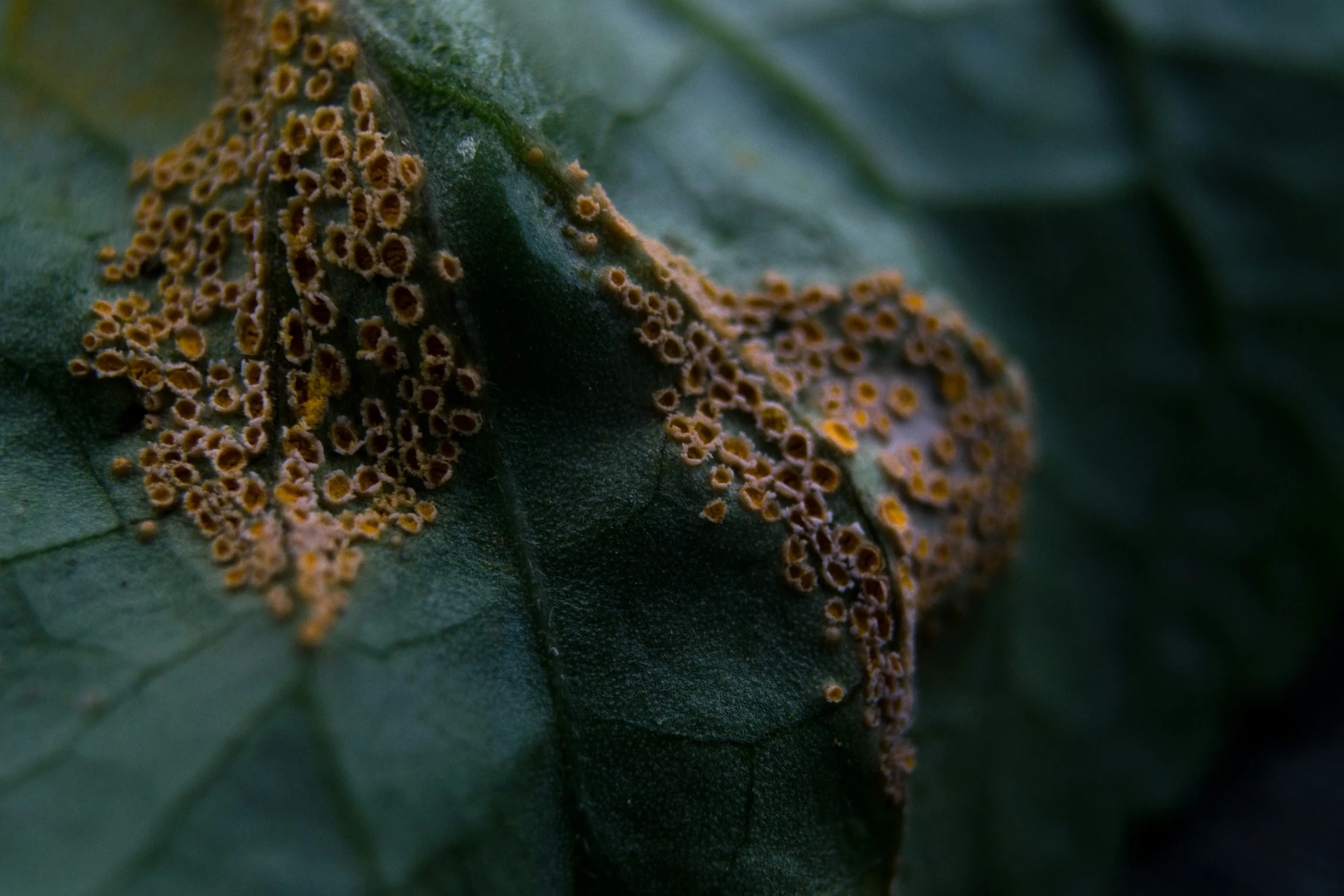
What Is Scale Insects?
Scale insects are small, sap-sucking insects that feed on plant sap, causing damage to leaves, stems, and roots. They are common pests in gardens and greenhouses, and can be difficult to control. Scale insects are often mistaken for other pests, such as mealybugs or aphids, but they have distinct characteristics and behaviors.
Scale insects have a unique life cycle, with females laying eggs on plant surfaces. The eggs hatch into nymphs, which go through several molts before reaching adulthood. Adult scale insects are usually immobile, attached to the plant by a waxy secretion, and feed on plant sap through their piercing-sucking mouthparts.
The damage caused by scale insects can be significant, leading to stunted growth, yellowing leaves, and reduced yields. In severe cases, scale infestations can kill plants. It is essential to identify and control scale insects early to prevent further damage.
Signs and Symptoms
Scale insects can be difficult to detect, but there are several signs and symptoms to look out for:
- White, cottony patches on plant surfaces, often near the base of the plant or on the underside of leaves.
- Small, immobile insects attached to plant surfaces, often with a waxy secretion.
- Yellowing or stunted leaves, often with a sticky substance on the surface.
- Reduced plant growth or yields.
- Presence of ants or other insects on the plant, as they are often attracted to the honeydew produced by scale insects.
- Presence of sooty mold on plant surfaces, which can be a sign of a heavy scale infestation.
Step-by-Step: How to Treat Scale Insects
- Inspect the plant thoroughly for signs of scale insects, paying particular attention to the undersides of leaves and the base of the plant.
- Use a soft-bristled brush or a cotton swab to gently remove any visible scale insects from the plant.
- Apply a horticultural oil or insecticidal soap to the plant, following the product's instructions for application and concentration.
- Repeat the treatment every 7-10 days for 2-3 weeks to ensure that all stages of the scale insect life cycle are affected.
- Monitor the plant closely for any signs of re-infestation, and repeat the treatment as necessary.
- Consider using a systemic insecticide if the infestation is severe or widespread.
- Take steps to prevent re-infestation, such as removing weeds and debris from the area, and using physical barriers to prevent scale insects from reaching the plant.
Best Practices and Pro Tips
- Tip: Inspect your plants regularly to catch any signs of scale insects early, and prevent the infestation from spreading.
- Tip: Use a combination of control methods to ensure that all stages of the scale insect life cycle are affected.
- Tip: Monitor the plant closely after treatment to ensure that the infestation is under control.
- Tip: Consider using a systemic insecticide if the infestation is severe or widespread.
- Tip: Take steps to prevent re-infestation by removing weeds and debris from the area, and using physical barriers to prevent scale insects from reaching the plant.
Quick Reference Table
| Factor | Recommended Range | Why It Matters |
|---|---|---|
| Temperature | 65-75°F (18-24°C) | Scale insects are most active at temperatures between 65-75°F (18-24°C), making it essential to control them during this time. |
| Humidity | 40-60% | Scale insects thrive in humid environments, making it essential to maintain a relative humidity of 40-60% to prevent infestations. |
| Concentration | 1-2% horticultural oil | Using a concentration of 1-2% horticultural oil is essential to effectively control scale insects without harming the plant. |
| Distance | 6-8 inches (15-20 cm) | Applying the horticultural oil at a distance of 6-8 inches (15-20 cm) from the plant is essential to prevent damage to the leaves and stems. |
| Volume | 1-2 gallons (3.8-7.6 liters) | Using a volume of 1-2 gallons (3.8-7.6 liters) of horticultural oil is essential to effectively control scale insects on large plants. |
| Timeframe | 7-10 days | Repeating the treatment every 7-10 days for 2-3 weeks is essential to ensure that all stages of the scale insect life cycle are affected. |
Bougainvillea cuttings can be challenging but rewarding. Semi-hardwood cuttings taken in late spring to early summer generally yield the best results. While easier-to-root plants might not need rooting hormone, woody bougainvillea stems benefit greatly from a strong IBA rooting hormone and bottom heat to encourage successful callus formation and root development.
Common Mistakes to Avoid
- Mistake: Not inspecting the plant regularly to catch any signs of scale insects early.
- Mistake: Using a single control method to control scale insects, without considering the life cycle and behavior of the pest.
- Mistake: Not monitoring the plant closely after treatment to ensure that the infestation is under control.
- Mistake: Not taking steps to prevent re-infestation by removing weeds and debris from the area, and using physical barriers to prevent scale insects from reaching the plant.
- Mistake: Using a horticultural oil or insecticidal soap that is not suitable for the plant species or is applied at the wrong concentration.
Related Plants
Plant Guide
Adas Joy
Bougainvillea 'Ada's Joy' is a striking peach-pink cultivar prized for its soft warm bracts and elegant elongated growth. Reportedly mutated in Xiamen at Mr. Hongwei Yu's garden, it rewards full sun, sharp drainage, and lean feeding with long flushes of colour in tropical and subtropical gardens.
Plant Guide
Chocolate Brown
This Chocolate Brown bougainvillea is valued for its bronze to coppery brown bracts and its distinctive collector cultivar best kept in strong sun. In warm tropical and subtropical gardens, it performs as a resilient ornamental climber that rewards full sun, sharp drainage, and a restrained feeding regime with long flushes of colour.
Plant Guide
Kayata
A beautiful and vigorous cultivar admired for its soft pink bracts, repeat blooming habit, and elegant ornamental appearance.
Plant Guide
'Mary Palmer'
Bougainvillea 'Mary Palmer' is a unique bicolor cultivar prized for its fascinating bracts that open coppery pink and fade to soft white or cream. A vigorous climber for hot, full-sun gardens, fences, trellises, and containers across tropical climates.
Plant Guide
21 Jewel Pink Variegated
This 21 Jewel Pink Variegated bougainvillea is valued for its pink with cream or white variegation bracts and its floriferous climber with reliable warm-season colour. In warm tropical and subtropical gardens, it performs as a resilient ornamental climber that rewards full sun, sharp drainage, and a restrained feeding regime with long flushes of colour.
Plant Guide
21 Jewel Pink
This 21 Jewel Pink bougainvillea is valued for its pink to deep rose bracts and its floriferous climber with reliable warm-season colour. In warm tropical and subtropical gardens, it performs as a resilient ornamental climber that rewards full sun, sharp drainage, and a restrained feeding regime with long flushes of colour.
Related Articles
Guide
Common Bougainvillea Problems & Fixes: Root Rot, No Blooms, Yellow Leaves (Complete Guide)
The 8 most common bougainvillea problems diagnosed and fixed: root rot, no blooms, yellow leaves, leaf drop, leggy growth, pests, powdery mildew, and overwatering. Each entry includes symptoms, cause, exact fix, and expected recovery time.
Guide
Why Every Gardener Should Have the Arjuna Bougainvillea (Complete Variety Guide)
The Arjuna Bougainvillea is a near-year-round bloomer prized for its vivid multi-color flowers, disease resistance, and beginner-friendly nature. Here's why it earns a spot in every garden, plus a full care guide.
Guide
Best Fertilizer for Bougainvillea in 2026 – NPK Ratios That Actually Work
A no-nonsense 2026 guide to bougainvillea fertilization: the NPK ratios that actually produce bracts (not just leaves), what Indian-market products to use, what to avoid, and a season-by-season feeding calendar tested in West Bengal.
Guide
How to Make Bougainvillea Bloom Heavily in Monsoon Season (Kolkata / West Bengal Guide)
Monsoon rain is the enemy of bougainvillea blooms. This guide explains how to protect your plant during Bengal's June–September rainy season and time the October dry-stress window to trigger the most spectacular flush of the year.
Guide
Bougainvillea Bonsai: Complete Beginner's Guide to Growing, Styling, and Caring
Bougainvillea makes a spectacular bonsai — fast-growing, drought-tolerant, and capable of producing vivid bracts even in a tiny pot. This guide covers species selection, soil, root pruning, wire training, and seasonal care for Indian conditions.
Guide
How I Saved My Overwatered Bougainvillea: A Step-by-Step Personal Account
A first-person account from Soumen Maitra: how a Barbara Karst in Kolkata nearly died from overwatering during the 2025 monsoon, the mistakes that made it worse, and the emergency repot procedure that saved it. Documented step by step.
Related Calculators & Tools
Calculator
Bougainvillea Neem Oil & Pest Calculator
Calculate precise neem oil dilutions to eradicate Bougainvillea Loopers and aphids.
Calculator
Bougainvillea Potting Mix Calculator
Calculate the exact volumes of perlite, compost, and soil for a fast-draining Bougainvillea mix.
Calculator
Bougainvillea Compost Top-Dressing Calculator
Calculate precise compost volumes to naturally amend your Bougainvillea garden beds.
Calculator
Bougainvillea NPK Fertilizer Calculator
Analyze your fertilizer NPK ratio to ensure it promotes Bougainvillea blooms rather than just green leaves.
Calculator
Bougainvillea Grow Bag Size Calculator
Calculate the ideal fabric grow bag volume for massive Bougainvillea growth.
Calculator
Bougainvillea Heat Stress & Watering Calculator
Diagnose heat stress in potted Bougainvilleas during extreme summer weather.