Bougainvillea Formosa
Bougainvillea 'Formosa'
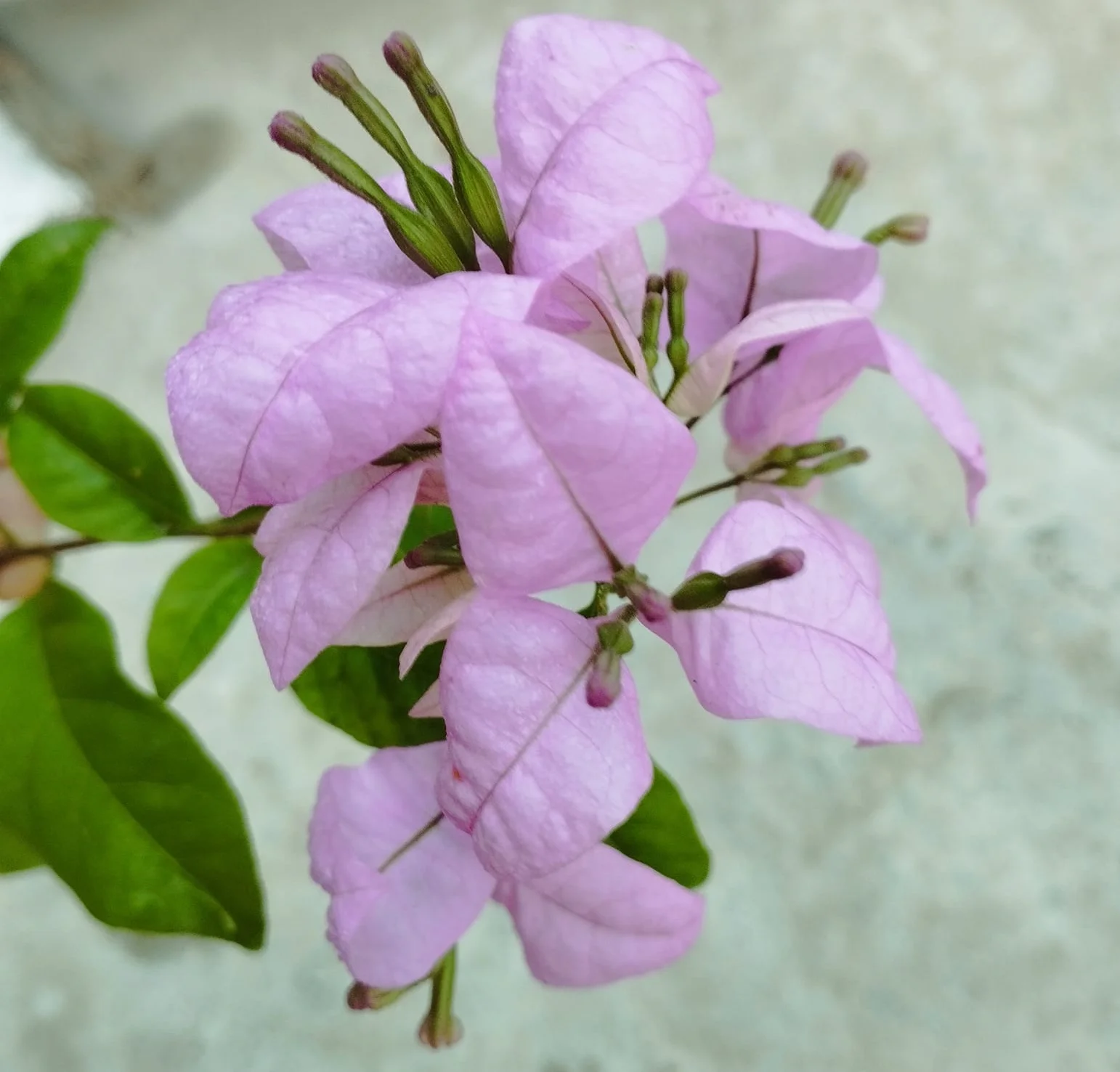
Bougainvillea 'Formosa' is a vigorous magenta-purple cultivar prized for its large, showy bracts and lush tropical foliage. A classic landscape climber that rewards full sun, sharp drainage, and restrained feeding with spectacular colour displays.
-
Light
Full sun is essential for best bloom production.
-
Temperature
65°F – 95°F
Growth
Fast
pH Range
5.5 – 6.5
-
Biggest Owner Mistake
Underestimating its size. Formosa is a large, aggressive vine that will swallow a small garden whole. Planting it near a weak fence or small trellis results in collapse within two seasons. Provide heavy-duty support from day one, or commit to aggressive pruning.
-
What Nobody Tells You
Formosa's large bracts are heavier than most cultivars, which means they weigh down branches and can snap weaker stems in wind or rain. Strategic pruning to build a dense, multi-stemmed framework prevents this. A single main trunk with long laterals is a recipe for breakage.
-
Real Home Conditions
Formosa thrives in hot, exposed positions with reflected heat from walls or paving. It is one of the best bougainvilleas for baking south-facing walls and poolside beds. However, it struggles in cool, humid shade — growth becomes leggy and bract production collapses.
Quick Answer
Bougainvillea 'Formosa' performs best in full sun, lean soil, and very sharp drainage. Water deeply only when the top 5–7 cm dries out, use a low-nitrogen fertiliser, and prune lightly after each bloom flush to maintain shape and stimulate new flowering wood.
Overview
Formosa bougainvillea, also known as Bougainvillea spectabilis 'Formosa', is a popular ornamental plant recognized for its vibrant and showy bracts. Here are some key features and care tips for Formosa bougainvillea: Characteristics: Appearance: Formosa bougainvillea features large, colorful bracts that are typically shades of magenta or purple, which surround the small, less conspicuous true flowers. Foliage: The leaves are green, ovate, and slightly hairy. The foliage provides a lush backdrop that enhances the vibrant bracts. Growth Habit: This variety is a vigorous grower with a climbing or sprawling habit. It can be trained to grow on trellises, walls, fences, or as a ground cover. Size: Formosa bougainvillea can grow quite large, potentially reaching heights of 15 to 30 feet with proper support and favorable conditions. Care Tips: Sunlight: Requires full sun (at least 5 hours of direct sunlight per day) for optimal growth and flowering. More sunlight typically results in more abundant blooms. Watering: Prefers well-drained soil. Water deeply but infrequently, allowing the soil to dry out between watering sessions to prevent root rot. Soil: Thrives in slightly acidic to neutral soil with good drainage. Sandy or loamy soils are ideal for this plant. Fertilization: Use a balanced fertilizer or one high in phosphorus to promote blooming. Fertilize every 4-6 weeks during the growing season. Pruning: Regular pruning helps maintain the plant's shape and encourages new growth. Prune after blooming to remove dead or weak stems and to shape the plant as desired. Temperature: Prefers warm temperatures and is frost-sensitive. In colder climates, it can be grown in containers and brought indoors during winter months. Pests and Diseases: Generally pest-resistant but can occasionally be affected by aphids, caterpillars, and scale insects. Regular monitoring and appropriate treatments can help manage these issues. Uses: Landscaping: Formosa bougainvillea is often used in gardens for its striking color. It can be grown as a hedge, on trellises, or as a ground cover, creating a vibrant focal point. Containers: Suitable for growing in large containers, making it a great option for patios, balconies, or indoor spaces with sufficient sunlight. Bonsai: Can be trained and pruned into bonsai forms, adding an exotic touch to bonsai collections. Additional Tips: Support: If growing as a climber, provide a sturdy support structure like a trellis or fence. Mulching: Mulch around the base to retain moisture and suppress weeds, but keep the mulch away from the stem to prevent rot. Winter Care: In colder regions, protect the plant from frost by covering it or bringing container plants indoors. Overall, Formosa bougainvillea is a stunning and versatile plant that can add a bold splash of color to any garden or landscape with proper care and maintenance.
Recommended next actions
Next Best Actions
Use calculators and guides to turn this plant profile into a practical care routine.
Calculator
Bougainvillea Watering Schedule Calculator
Calculate exactly when to water your Bougainvillea using the proven Dry-to-Bloom method.
Plant Guide
'Barbara Karst'
Bougainvillea 'Barbara Karst' is a vigorous, popular cultivar prized for its brilliant magenta-red bracts and prolific, nearly year-round blooming habit. One of the hardiest bougainvilleas, it thrives in hot, full-sun gardens, on fences and trellises, and in large containers across tropical and subtropical climates.
Guide
Bougainvillea Growing Guide: Sun, Soil, Pruning, and Climate
Complete bougainvillea growing guide for tropical, subtropical, and Mediterranean climates. Learn sunlight, soil mix, pruning, and seasonal care for dwarf balcony pots to large wall climbers.
Guide
Bougainvillea Bonsai: Complete Beginner's Guide to Growing, Styling, and Caring
Bougainvillea makes a spectacular bonsai — fast-growing, drought-tolerant, and capable of producing vivid bracts even in a tiny pot. This guide covers species selection, soil, root pruning, wire training, and seasonal care for Indian conditions.
Guide
The Ultimate Guide to Growing Bougainvillea in Pots
Bougainvillea can thrive in pots when its roots are kept slightly constrained, its drainage is excellent, and its care is adjusted through summer, winter, and monsoon. This guide shows you how to keep it blooming heavily in containers all year long.
Calculator
Bougainvillea Heat Stress & Watering Calculator
Diagnose heat stress in potted Bougainvilleas during extreme summer weather.
Structured Plant Data
Plant Data Profile
Care values below are generated from the plant JSON fields so users and crawlers can read the structured plant profile directly on the page.
Growth Characteristics
Growth Rate
Fast
Mature Height
3–6 m with support; 1.5–2.5 m in containers with regular pruning
Mature Spread
6-15 feet
Life Cycle
Perennial
Flowering Season
Year-round in tropical climates
Container Friendly
yes
Indoor Capable
no
Habit
Vigorous woody vine; can be trained as climber, standard, espalier, or cascading specimen
Spread
2–5 m depending on pruning and support structure
Thorns
Substantial and sharp; dense along mature canes
Leaf
Medium green, ovate, slightly glossy, 4–8 cm long
Bract Colours
Large magenta to purple bracts; classic tropical showpiece
True Flower
Tiny white tubular blooms clustered at centre of bract trusses
Bloom Cycles
Repeat bloomer; peaks in late spring, mid-summer, and early autumn in warm climates; year-round in tropics
Seed Production
Produces viable seed; can self-sow in warm climates
Origin
Hybrid cultivar
Environmental Parameters
| Parameter | Recommended | Survivable |
|---|---|---|
| Temperature | 65°F – 95°F | 50°F – 105°F |
| Humidity | 40% – 70% | 30% – 85% |
| Soil PH | 5.5 – 6.5 | 5.0 – 7.0 |
Lighting
Description
Full sun is essential for best bloom production.
Nutrients
Nitrogen Demand
moderate
Phosphate Demand
high
Potassium Demand
high
Micronutrient Notes
Benefits from iron and magnesium supplementation.
Fertilizer Frequency
Every 2-4 weeks during active growth.
Organic Options
Compost tea and bone meal.
Relationships
-
Root Rot
Vulnerability | High vulnerability
Susceptible to root rot in waterlogged soil.
Growing Position
Placement Notes
Requires maximum sun.
Best Directions
South Or West
Best Rooms
Outdoor position
Light Range
Full sun
Care Profile
Outdoor flowering vine
Troubleshooting Guide
1 Lush green growth but weak or absent bract display
Cause: Too little direct sun or too much nitrogen promoting foliage over flowers.
Move it to full sun and avoid heavy nitrogen feeding.
2 Yellowing, wilting, or sudden decline after watering
Cause: Roots staying too wet for too long in compacted or poorly drained soil.
Improve drainage, reduce watering, and let the top layer dry before watering again.
3 Long, bare stems with blooms only at the tips
Cause: The plant has not been trained or tip-pruned after bloom flushes.
Lightly prune after each flush to keep the plant compact and productive.
Glossary of Terms
- Bracts
- The large, papery, colourful modified leaves of a bougainvillea that are commonly mistaken for flowers. The actual flowers are the small, tubular white structures held at the centre of each bract cluster.
- Stress-Watering
- A deliberate watering technique where the plant is allowed to dry out significantly between deep waterings, mimicking seasonal drought. This stress triggers heavier flowering in bougainvillea.
- Framework Canes
- The main structural stems of a climbing bougainvillea that are trained horizontally or diagonally against a support. Horizontal canes produce more lateral flowering shoots than vertical ones.