Direct Sunlight
Why bougainvillea need 6+ hours of direct sun for massive blooms, plus heat management, cultivar differences, and sunburn prevention.
What is Direct Sunlight for Bougainvillea?
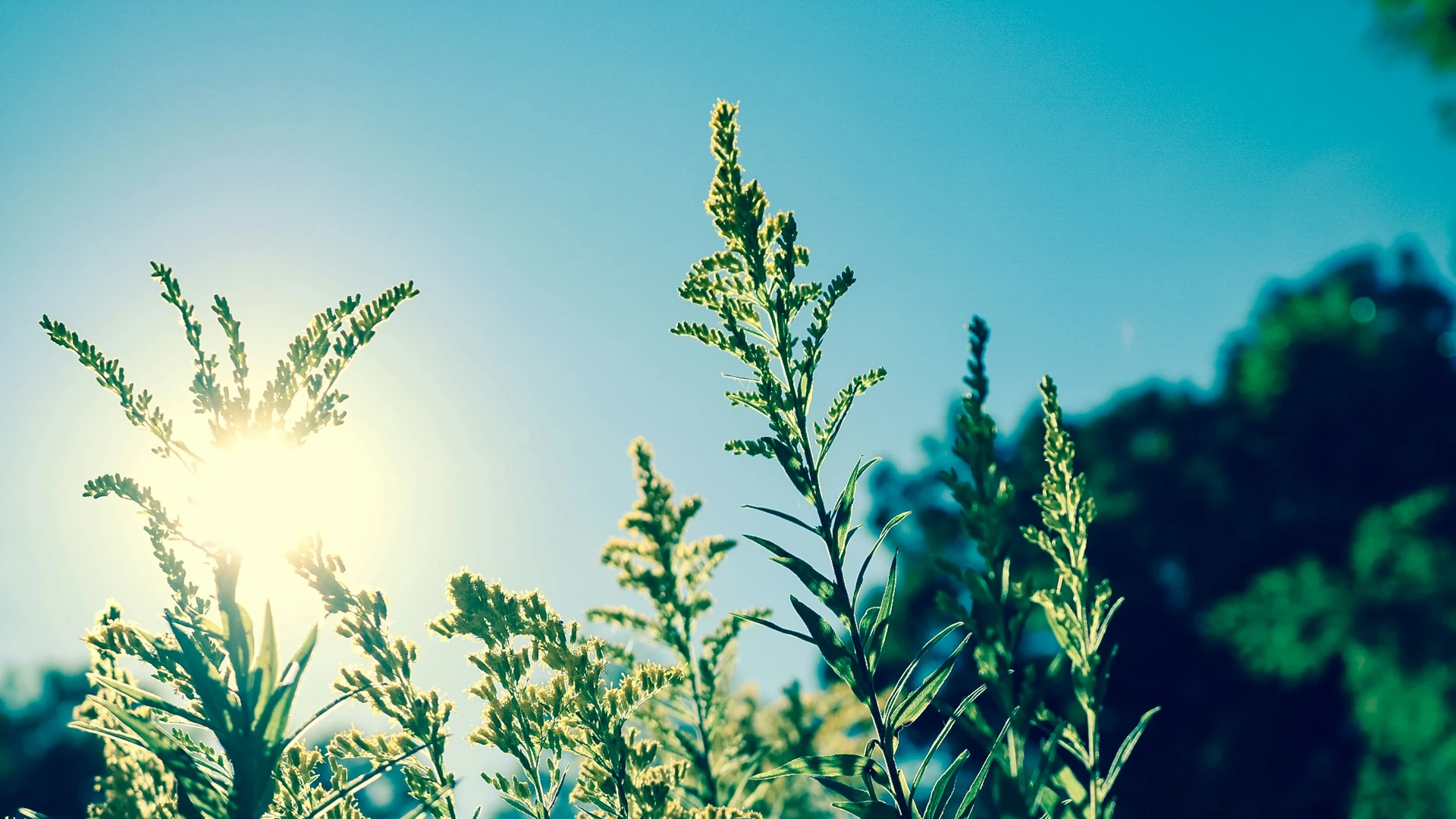
If there's one non-negotiable rule in growing bougainvillea, it's this: direct sunlight is the engine that drives everything. I've seen beginners chase every possible remedy for a plant that refuses to bloom—special fertilizers, pruning tricks, bloom boosters—when the real problem was simply too much shade. Direct sunlight means the sun's rays hit the plant's leaves and bracts without any obstruction: no tree canopy, no window glass (unless it's an uncoated south-facing window), no shade cloth, no building shadow. Just unobstructed solar radiation.
Bougainvillea are heliophytes—plants that thrive in high light intensity. They evolved along the coastal cliffs and arid slopes of South America, where the sun blazes for most of the day. Their photosynthetic machinery is calibrated for high photon flux. In cultivation, this translates to a simple rule: at least 6 hours of direct sun daily for decent blooming, and 8-10 hours for the kind of explosion of color that makes people stop and stare. Some cultivars can get by with 5 hours, but you'll notice the difference—fewer bracts, paler colors, and a leggier growth habit.
For beginners, the biggest mistake is assuming that bright indirect light is "almost as good." It's not. Bright indirect light might keep your plant alive and even produce a few scattered blooms, but you'll never see the full potential. For advanced growers and collectors, understanding the nuances of direct sunlight—how to maximize it without causing heat stress, how different cultivars respond, and how to manage reflection and duration—separates good plants from award-worthy specimens.
One more critical point: direct sunlight isn't just about quantity; it's about quality and timing. Morning sun is gentler (lower infrared component) and helps dry dew, reducing fungal risk. Afternoon sun is more intense and can cause heat stress in extreme climates. The ideal for most bougainvillea is morning sun plus early afternoon sun, with late afternoon shade if you're in a desert or tropical lowland. But in mild coastal areas, all-day direct sun is perfect.
Why Direct Sunlight Matters for Bougainvillea
The relationship between direct sunlight and bougainvillea health is direct and measurable. Here's what happens when you give them the sun they crave—or deprive them of it.
Flowering impact: This is the headline. Bougainvillea bracts (the colorful modified leaves) are triggered by high light intensity. In low light, the plant prioritizes leaf growth to capture more photons. In direct sun, it shifts resources to bract production. I've seen the same cutting grown in two locations: one with 4 hours of direct sun (spindly, 5 bracts), another with 8 hours (dense, hundreds of bracts). The difference is night and day. Furthermore, direct sun deepens bract colors. 'Barbara Karst' red becomes a fiery crimson in full sun, but a washed-out pink in shade.
Root health impact: Indirect but real. Direct sunlight warms the soil, especially in containers. Warm soil accelerates root growth and nutrient uptake—up to a point. However, in dark pots or extreme heat, soil can exceed 100°F (38°C), which damages fine roots. The solution is to use light-colored pots or insulate containers while still giving the foliage full sun. In the ground, direct sun on the canopy drives transpiration, which pulls water and nutrients from the roots, keeping the whole system active.
Plant vigor and growth rate: Bougainvillea in full direct sun grow more compact, with shorter internodes and denser foliage. Shade-grown plants become leggy, reaching for light, with long, weak stems that flop. The sun-exposed plant also develops thicker leaves with more cuticle wax, making it more resistant to pests and drought.
Long-term health: Consistent direct sunlight strengthens the plant's immune system. Sun-exposed leaves produce more secondary metabolites (phenolics, flavonoids) that deter herbivores and pathogens. I've noticed that powdery mildew and bacterial leaf spot are far less common on plants in full sun compared to those in partial shade, simply because the leaves dry faster and the plant is less stressed.
Container vs. landscape cultivation: In containers, you have more flexibility to move plants to follow the sun. But containers also heat up faster. A dark pot in direct sun can cook roots while the leaves are happy. Use reflective pots or double-pot with an insulating layer. In landscape, direct sun is easier on roots because the ground insulates. However, reflected heat from walls, pavement, or light-colored gravel can add extra thermal load. Be mindful of microclimates.
Quick Facts: Direct Sunlight for Bougainvillea
| Factor | Details |
|---|---|
| Minimum Daily Direct Sun | 6 hours (for any blooms); 8-10 hours recommended for prolific flowering |
| Optimal Light Intensity | 40,000-100,000 lux (full summer sun at mid-latitudes) |
| Bloom Reduction in Shade | 50-80% fewer bracts at 4 hours direct sun vs. 8 hours |
| Morning vs. Afternoon Sun | Morning sun gentler, dries dew; afternoon sun more intense, risk of heat stress in deserts |
| Cultivars Tolerant of Partial Sun (5 hours) | 'Barbara Karst', 'Torch Glow', 'Texas Dawn' (still bloom, but less) |
| Cultivars Needing Full All-Day Sun | 'Rosenka', 'Pink Pixie', 'Vera Deep Purple', 'Golden Jackpot' |
| Heat Stress Threshold | Leaf damage possible above 95°F (35°C) combined with low humidity and direct sun |
| Signs of Too Much Sun (with heat) | Leaf cupping, bleached bracts, crispy edges; distinguish from underwatering |
Identification and Symptoms of Direct Sunlight Issues
Too little sun and too much sun (with heat) look different. Learn to read the signs.
Signs of insufficient direct sunlight (shade stress): The most obvious is lack of blooms—green growth only, or just a handful of pale bracts. Leaves are larger, thinner, and darker green than normal. Internodes stretch to 3-5 inches (7-12 cm) between leaves. Stems are soft and may flop. The plant may lean toward the light source. Lower leaves yellow and drop because they're not receiving enough light. Over time, the plant becomes sparse and unattractive. This is often misdiagnosed as a nutrient deficiency, but adding nitrogen makes it worse—the plant just gets even more leggy.
Signs of too much sun combined with heat (sun stress): Unlike shade stress, sun stress shows as leaf cupping (margins curl upward), bleached or faded patches on bracts, and crispy brown edges. Leaves may develop brown spots that are dry and papery, not water-soaked. The plant may wilt during the hottest part of the day even if the soil is moist—this is the plant's way of reducing leaf surface area. In severe cases, leaves drop, especially on the west and south sides. This is often mistaken for underwatering or disease. The key difference: in pure heat stress, the plant recovers overnight when temperatures drop. Underwatered plants stay wilted.
Intermediate and advanced symptoms of sunburn: True sunburn (photoinhibition) appears as bleached, white, or silvery patches on leaves and bracts. The tissue is dead and papery. This is rare in bougainvillea except in extreme conditions: high altitude (intense UV), sudden transition from indoor to outdoor without acclimation, or reflective heat from white walls or water. Unlike heat stress, sunburn doesn't recover—the damaged tissue is gone. New growth, if hardened off properly, will be fine.
Common misdiagnoses: Shade-induced leaf drop is often mistaken for overwatering. Check the soil: if it's dry and the plant is dropping leaves from the bottom up, it's likely light-related. Sun-stressed leaf curl is often mistaken for aphid damage. Look for pests: aphids cause distorted, inward curling, not uniform upward cupping. Also, leaf scorch from sun+heat can mimic fertilizer burn. Check your recent fertilizer history and soil EC.
Visual clues for accurate assessment: Observe the plant at different times of day. If curling and wilting occur only between 1 PM and 5 PM, it's heat stress, not a permanent problem. If the plant never looks happy, suspect insufficient light. Use a light meter: anything below 20,000 lux at noon indicates not enough direct sun for optimal blooming. Also, note the direction your plant faces. South- and west-facing exposures get the most intense sun. East-facing gets morning sun only. North-facing gets no direct sun.
Causes and Contributing Factors to Direct Sunlight Problems
Understanding why your bougainvillea isn't getting enough—or is getting too much—direct sun helps you fix it.
Environmental factors: In northern latitudes (above 40°N), even a south-facing window in winter may only provide 4-5 hours of weak direct sun. The sun angle is low, and daylight hours are short. This is why indoor bougainvillea rarely bloom in winter without grow lights. In the tropics, the sun is nearly overhead, and UV is intense—afternoon sun can be brutal even for sun lovers. In Mediterranean climates, the sun is strong but winters are mild; the challenge is low winter light rather than summer heat. In high-desert climates (4,000+ feet elevation), UV intensity is much higher, and direct sun can burn unacclimated plants.
Watering mistakes: Underwatered plants in direct sun will wilt and curl more severely. Overwatered plants may not show sun stress because they have plenty of water, but if roots are damaged, they can't take up water, and the plant will show drought symptoms even in full sun. The interaction is critical: a well-watered plant in direct sun can handle much higher temperatures than a thirsty one.
Nutrient issues: High-nitrogen fertilization produces soft, tender growth that is more susceptible to sunburn and heat stress. If you fertilize heavily with nitrogen and then put the plant in blazing sun, you'll see leaf scorch. Conversely, potassium strengthens cell walls and improves heat tolerance. Use a balanced or bloom-oriented fertilizer (low N, high PK) for sun-exposed plants.
Seasonal influences: The sun's angle changes with seasons. A spot that gets 8 hours of direct sun in June may get only 4 hours in December because the sun is lower and buildings or trees cast longer shadows. Move container plants seasonally. In fall and winter, you may need to supplement with grow lights or accept lower bloom production.
Container-related factors: Dark pots absorb heat and can raise root-zone temperature 15-20°F above air temperature. A bougainvillea in a black plastic pot on a south-facing patio in Phoenix will have roots cooking at 110°F while the leaves get 100°F air. Use light-colored pots, double-pot (pot inside a larger pot with an air gap), or place pots where the container is shaded but the canopy is in sun.
Climate and regional specifics: In humid climates (Florida, Gulf Coast), the main risk from direct sun is not heat but fungal issues—but actually, full sun dries leaves and reduces fungal pressure. In dry climates (Southwest, Australia), the risk is heat stress and sunburn. In coastal areas with cool summers (San Francisco, UK), full sun is rarely too intense, and the limiting factor is getting enough light at all.
How to Manage Direct Sunlight for Bougainvillea
Follow this step-by-step guide to give your bougainvillea the right amount of direct sun for maximum blooms without damage.
- Measure your available light. Use a light meter or smartphone app. Walk around your property or home at different times (9 AM, noon, 3 PM). Note where you get at least 6 hours of direct sun. For indoor growing, south-facing windows are best; west-facing windows get intense afternoon sun; east-facing get mild morning sun. North-facing windows are inadequate without grow lights.
- Position for morning sun + early afternoon sun. The ideal for most climates is direct sun from sunrise until 2-3 PM, then bright indirect light or light afternoon shade. This gives high light for blooming but avoids the most intense late-afternoon heat. In mild coastal climates, all-day sun is fine. In deserts, afternoon shade (by a building, tree, or shade cloth) prevents heat stress.
- Acclimate plants moving from low to high light. This is critical. A plant that has been indoors or in shade will sunburn if moved directly into full sun. Over 10-14 days, gradually increase exposure: day 1-3: 1 hour morning sun; day 4-6: 2 hours; day 7-9: 4 hours; day 10-14: full sun. Watch for leaf bleaching—if you see it, back off and slow down.
- Use reflective surfaces to increase light. If you have limited direct sun (e.g., a balcony with 4 hours), place white walls, mirrors, or mylar behind the plant to reflect light. White gravel or light-colored paving also reflects. This can increase effective light by 20-30%.
- Prune to allow light penetration. A dense, overgrown bougainvillea shades its own interior. Prune out crossing branches and thin the canopy so light reaches inner leaves. This also improves air circulation and reduces fungal risk.
- Rotate container plants weekly. In windowsills or against walls, plants grow toward the light. Rotate a quarter-turn every week to keep growth even. Otherwise, you'll get a lopsided, one-sided plant.
- Provide afternoon shade in extreme climates. If you're in USDA zone 9b or hotter with summer highs above 95°F, consider 30-50% shade cloth from 1 PM to 5 PM, or position plants where a tree or building casts afternoon shadow. The morning sun is sufficient to trigger blooms; afternoon protection prevents heat stress.
- Supplement with grow lights in low-light seasons or indoor growing. For indoor bougainvillea, use full-spectrum LED lights (5000-6500K) placed 6-12 inches above the canopy for 12-14 hours daily. This mimics direct sun. High-output fluorescent shop lights also work. Without this, indoor plants will not bloom.
- Monitor and adjust seasonally. In winter, move container plants to the sunniest spot possible. In summer, you may need to pull them back from west-facing windows or add sheer curtains to diffuse the most intense afternoon rays. Keep a garden journal of light patterns and plant response.
Common Mistakes with Direct Sunlight
- Assuming "full sun" means the same everywhere. Full sun in Seattle is not the same as full sun in Phoenix. In cool climates, full sun all day is perfect. In hot climates, full sun with afternoon protection is better.
- Moving plants abruptly from indoors to outdoors. This causes sunburn in hours. Always acclimate over 10-14 days. I've seen beautiful plants ruined in one afternoon.
- Planting in too much shade because "the plant looks healthy." A bougainvillea can survive in partial shade with green leaves but few blooms. Many beginners think the plant is fine because it's green. It's not fine—it's starving for light.
- Using dark pots in sunny locations. Black or dark brown pots absorb heat and cook roots. Switch to light-colored terracotta, white plastic, or glazed ceramic. Or place dark pots inside larger light-colored pots.
- Ignoring reflected light and heat. A bougainvillea next to a white wall gets extra light but also extra heat. That's fine in cool climates but can cause burn in hot ones. Leave an air gap for airflow.
- Not adjusting for seasonal sun angle. What was a sunny spot in June may be shady in December because the sun is lower. Move container plants. For in-ground plants, you may need to prune overhanging trees or accept winter dormancy.
- Overwatering to compensate for heat. When leaves curl from heat, the instinct is to water. But if the soil is already moist, overwatering causes root rot. Water only when the top 2 inches are dry, even in heat.
- Expecting full bloom from shade-grown plants after moving them into sun. It takes 4-8 weeks for a light-starved plant to transition to blooming. Be patient. Prune leggy growth first to encourage compact new growth.
Expert Tips from Experienced Growers
Over years of growing bougainvillea in different climates—from coastal Southern California to inland valleys to humid Florida—I've collected these practical insights about direct sunlight.
Tropical climate considerations (Florida, Hawaii, SE Asia): The sun is intense, but high humidity buffers leaf temperature through evaporative cooling. However, the combination of afternoon sun and daily rain can cause fungal issues on stressed leaves. Position plants to get morning sun and early afternoon sun, but give them light shade from 1-3 PM if possible. Also, use light-colored pots because dark pots in tropical sun can exceed 120°F.
High desert (Arizona, New Mexico, inland SoCal): Afternoon sun is brutal. I recommend east-facing exposures: direct sun from sunrise until about 1 PM, then naturally shaded by the house in the afternoon. Or use 40% white shade cloth from noon to 4 PM. Bougainvillea will still bloom beautifully with morning sun only. 'Barbara Karst' and 'San Diego Red' handle desert sun better than most; 'Rosenka' struggles.
Mediterranean climates (coastal California, Spain, Italy, Greece): You have the ideal conditions: strong sun but moderated by ocean influence. Full all-day sun is perfect. However, watch for reflected heat from white stucco walls—it can cause leaf burn. Leave a 12-inch gap. Also, take advantage of south-facing walls that radiate heat at night, extending the growing season.
Cool coastal (UK, Pacific Northwest): Direct sun is at a premium. Maximize it by planting against south-facing walls, using reflective mulches, and pruning trees that cast shade. Choose cultivars known for blooming in less-than-ideal light: 'Torch Glow' and 'Barbara Karst' are more forgiving. Accept that you may need to grow in containers and move them to follow the sun or use grow lights.
Container growing observations: I've found that bougainvillea in large (5-10 gallon) light-colored pots on casters can be moved throughout the day to chase sun. In winter, I roll them to south-facing spots. In summer, I roll them to east-facing spots. This mobility gives you control that landscape plants lack. Also, fabric pots (Smart Pots) in direct sun dry out quickly but keep roots cooler through evaporative cooling—they're excellent for hot climates.
Nursery production secrets: Commercial growers in sunny climates use shade cloth not to reduce light but to moderate temperature. They typically grow under 30-50% shade cloth in summer, which actually increases growth because it prevents heat stress. The cloth diffuses light, reducing hotspots. For home growers, a 30% shade cloth on a frame can allow you to give plants "full sun" without the burn.
Collector-level technique: For maximum bloom intensity, use the "sun whip" method: in early spring, prune hard, then place the plant in the sunniest possible location. The new growth will be compact, and each shoot will terminate in a bract cluster. After the first bloom cycle (usually 6-8 weeks), give the plant a "rest" in bright indirect light for 2 weeks, then return to full sun. This tricks the plant into a second, even more intense bloom flush.
Troubleshooting Guide
| Problem | Likely Cause | Solution |
|---|---|---|
| No blooms after 6+ months, green growth only | Insufficient direct sunlight (less than 4-5 hours) | Move plant to sunnier location. Prune leggy growth. Provide at least 6 hours direct sun daily. For indoor plants, add grow lights. |
| Leaves cup upward, plant wilts in afternoon, recovers by morning | Heat stress from intense afternoon sun (soil may be moist) | Provide afternoon shade (30-50% cloth or move pot). Water deeply in morning. Mulch soil. Normal response; not fatal. |
| Bleached white or silvery patches on leaves and bracts | Sunburn from sudden exposure or extreme UV | Acclimate plants gradually. Damaged tissue won't heal; prune unsightly leaves. New growth will be fine if hardened off. |
| Leggy growth, long internodes, sparse foliage | Chronic low light (plant stretching for sun) | Increase direct sun exposure. Prune back hard to encourage compact growth. Move to south-facing location. |
| Brown crispy edges on leaves, but only on south/west side | Reflected heat from wall or pavement plus direct sun | Move plant away from reflective surfaces. Add shade cloth. Water deeply. Check for fertilizer burn as contributing factor. |
| Plant drops leaves, especially lower ones, but top is fine | Lower leaves shaded by upper canopy; natural self-pruning | Prune interior to allow light penetration. Normal to some extent, but excessive means not enough overall light. |
| Bracts fade quickly from deep color to pastel | Intense UV or extreme heat bleaching pigments | Provide afternoon shade. Some fading is normal as bracts age, but rapid fading indicates light stress. |
| Plant grows lopsided, leaning toward one side | Directional light source (window, wall) without rotation | Rotate container plants weekly. For landscape, accept asymmetry or prune to balance. |
Frequently Asked Questions
Can bougainvillea get too much direct sun?
Yes—but only when combined with extreme heat (above 95°F), low humidity, or sudden exposure without acclimation. In mild climates (coastal, cool summers), full all-day sun is fine and desirable. In hot climates, the plant may need afternoon protection. The leaves will tell you: cupping, bleaching, and crispy edges mean too much heat, not necessarily too much light. You can reduce heat stress without reducing light by improving airflow, misting, or using shade cloth.
How many hours of direct sun does bougainvillea need to bloom?
Absolute minimum: 5-6 hours of direct sun for any blooms. For good blooming: 6-8 hours. For spectacular, wall-of-color blooming: 8-10 hours. Remember that morning sun counts fully—it's not weaker than afternoon sun for triggering blooms, but it's gentler. If you can only provide 5-6 hours, choose tolerant cultivars like 'Barbara Karst' or 'Torch Glow'.
Will bougainvillea bloom indoors with direct sun through a window?
Possibly, but it's challenging. A south-facing window with no curtains can provide 4-6 hours of direct sun in winter (at mid-latitudes) and more in summer. However, window glass filters some UV and reduces intensity by about 30%. You may get scattered blooms, especially in summer. For reliable indoor blooming, supplement with LED grow lights for 12-14 hours daily. Without lights, most indoor bougainvillea will be green but not colorful.
What's the difference between direct sun and full sun?
In horticulture, "full sun" means at least 6 hours of direct sun daily. So they're essentially the same. Some gardeners use "full sun" to mean all-day direct sun (8+ hours), while "direct sun" might refer to any unobstructed exposure. For bougainvillea, aim for the maximum you can provide. The term matters less than the actual hours and intensity.
Can I use shade cloth for bougainvillea in very hot climates?
Absolutely, and it's often beneficial. Use 30-50% white or aluminized shade cloth. This reduces leaf temperature by 5-10°F while still allowing 50-70% of light to pass—still enough for blooming. The plant will be less stressed, grow faster, and may even produce more bracts because it's not constantly fighting heat. Many commercial growers in Arizona and Texas use shade cloth year-round.
My bougainvillea gets morning sun only. Will it bloom?
Yes, if morning sun is at least 6 hours. Morning sun from sunrise to noon (6 hours) is excellent—it's intense enough to trigger blooms, and the plant avoids afternoon heat stress. Many experienced growers in hot climates intentionally use east-facing exposures for this reason. You won't get the same intensity as all-day sun, but you'll get good blooms with less leaf curl.
Why are my bougainvillea blooms pale and washed out?
Likely not enough direct sun, or too much heat. In low light, bracts produce less pigment. In extreme heat or UV, pigments break down faster. Increase sun exposure gradually. Also, some cultivars naturally have paler colors (e.g., 'Pink Pixie' is soft pink even in full sun). If your plant used to be vibrant and is now pale, check for shading from new tree growth or nearby structures.
Can I move my bougainvillea from shade to full sun in one day?
No—this is a common mistake that causes severe sunburn. Leaves that developed in shade have thin cuticles and no UV protection. In full sun, they'll bleach and crisp within hours. Always acclimate over 10-14 days. Start with 1 hour of morning sun, increase by 1 hour every 2-3 days. The new growth that emerges after the move will be sun-hardened and fine.
Related Bougainvillea Topics
- Bright Indirect Light vs. Direct Sun for Bougainvillea
- Managing Heat Stress in Bougainvillea
- Preventing Sunburn on Bougainvillea Leaves and Bracts
- Growing Bougainvillea Indoors: Light Requirements
- Supplemental Grow Lights for Winter Blooming
- Light Requirements by Bougainvillea Cultivar
- Adjusting Plant Placement for Seasonal Sun Angle
- Shade Cloth Selection and Installation for Bougainvillea
Summary
Direct sunlight is the single most important factor for bougainvillea blooming. Give them at least 6 hours daily—8-10 hours is better. Without it, you'll have a green, leggy plant with few or no bracts. With it, you'll be rewarded with explosive, vibrant color that makes bougainvillea famous.
The key is balance: enough sun to trigger blooms, but not so much heat that the plant stresses. In mild climates, full all-day sun is perfect. In hot climates, provide morning sun and protect from the harshest afternoon rays with shade cloth, east-facing exposures, or natural shade from buildings. Always acclimate plants gradually when moving from low to high light. Use light-colored pots to keep roots cool. And don't forget to rotate container plants weekly for even growth.
My final advice: walk your property at different times of day with a light meter or even just your eyes. Note where the sun falls. That south-facing patio, that unobstructed west wall, that east-facing balcony—these are prime bougainvillea real estate. Give your plant the sun it craves, and it will give you months of color. Skimp on sun, and no amount of fertilizer or pruning will compensate. Sun is the foundation. Build on it, and everything else becomes easier.
Related Plants
Plant Guide
3 Star
This 3 Star bougainvillea is valued for its bright pink to magenta bracts and its vigorous climber with strong repeat bloom. In warm tropical and subtropical gardens, it performs as a resilient ornamental climber that rewards full sun, sharp drainage, and a restrained feeding regime with long flushes of colour.
Plant Guide
'Adarna' (Shikendari)
Bougainvillea 'Adarna' (Shikendari) is a rare collector's cultivar prized for its spectacular multicoloured bracts that shift between yellow, orange, and deep pink-magenta. A prolific bloomer for hot, full-sun gardens, fences, and large containers across tropical India.
Plant Guide
Adas Joy
Bougainvillea 'Ada's Joy' is a striking peach-pink cultivar prized for its soft warm bracts and elegant elongated growth. Reportedly mutated in Xiamen at Mr. Hongwei Yu's garden, it rewards full sun, sharp drainage, and lean feeding with long flushes of colour in tropical and subtropical gardens.
Plant Guide
'Barbara Karst'
Bougainvillea 'Barbara Karst' is a vigorous, popular cultivar prized for its brilliant magenta-red bracts and prolific, nearly year-round blooming habit. One of the hardiest bougainvilleas, it thrives in hot, full-sun gardens, on fences and trellises, and in large containers across tropical and subtropical climates.
Plant Guide
Begum Sikander
Bougainvillea 'Begum Sikander' is a striking magenta-purple cultivar known for its lush tropical foliage and vibrant bracts. A regal ornamental climber that rewards full sun, sharp drainage, and lean feeding with spectacular colour displays in tropical and subtropical gardens.
Plant Guide
Bengal Orange
Bougainvillea 'Bengal Orange' is a vibrant orange-tangerine cultivar prized for its warm tropical bracts and vigorous climbing habit. A showy ornamental that rewards full sun, sharp drainage, and lean feeding with spectacular colour displays in tropical and subtropical gardens.
Related Articles
Guide
Why Every Gardener Should Have the Arjuna Bougainvillea (Complete Variety Guide)
The Arjuna Bougainvillea is a near-year-round bloomer prized for its vivid multi-color flowers, disease resistance, and beginner-friendly nature. Here's why it earns a spot in every garden, plus a full care guide.
Guide
Basic Bougainvillea Care: Complete Global Guide for Vibrant Blooms
Complete global guide to basic bougainvillea care: sunlight (6–8 hours), dry-down watering, pruning for blooms, low-nitrogen fertilizer, and troubleshooting common problems.
Guide
How to Make Bougainvillea Bloom: The Sun-Stress-Prune Method (Global Guide)
Global guide to trigger heavy bougainvillea blooms using the sun-stress-prune method: full sun, controlled dry spells, strategic pruning, and low-nitrogen fertilizer.
Guide
Bougainvillea Growing Guide: Sun, Soil, Pruning, and Climate
Complete bougainvillea growing guide for tropical, subtropical, and Mediterranean climates. Learn sunlight, soil mix, pruning, and seasonal care for dwarf balcony pots to large wall climbers.
Guide
How to Make Bougainvillea Bloom Heavily in Monsoon Season (Kolkata / West Bengal Guide)
Monsoon rain is the enemy of bougainvillea blooms. This guide explains how to protect your plant during Bengal's June–September rainy season and time the October dry-stress window to trigger the most spectacular flush of the year.
Guide
Top 10 Bougainvillea Varieties for Indian Gardens — With Where to Buy Guide
The 10 best bougainvillea varieties for Indian gardens, ranked by performance in heat, humidity, and monsoon conditions. Includes care level, bloom frequency, pot suitability, and where to source each variety in India.
Related Calculators & Tools
Calculator
Bougainvillea Grow Bag Size Calculator
Calculate the ideal fabric grow bag volume for massive Bougainvillea growth.
Calculator
Bougainvillea Potting Mix Calculator
Calculate the exact volumes of perlite, compost, and soil for a fast-draining Bougainvillea mix.
Calculator
Bougainvillea NPK Fertilizer Calculator
Analyze your fertilizer NPK ratio to ensure it promotes Bougainvillea blooms rather than just green leaves.
Calculator
Bougainvillea Heat Stress & Watering Calculator
Diagnose heat stress in potted Bougainvilleas during extreme summer weather.
Calculator
Bougainvillea Neem Oil & Pest Calculator
Calculate precise neem oil dilutions to eradicate Bougainvillea Loopers and aphids.
Calculator
Bougainvillea Soil pH Calculator
Calculate amendments to reach the ideal 5.5 - 6.5 pH for Bougainvillea nutrient uptake.