Heat Stress
Protect bougainvillea from extreme heat: recognize leaf curl, bract drop, and dehydration, with proven cooling and watering strategies.
What is Heat Stress on Bougainvillea?
Here's something that surprises many gardeners: bougainvillea, for all their love of sun, can absolutely suffer from too much heat. I'm not talking about a warm summer day—these plants thrive in 80-90°F temperatures. I'm talking about extreme, prolonged heat waves where temperatures soar above 95°F (35°C) for days or weeks, often combined with low humidity and intense UV. Under those conditions, even a sun-loving bougainvillea starts to shut down. The leaves curl, the bracts fade and drop, and the plant looks like it's begging for mercy.
Heat stress occurs when the rate of transpiration (water loss from leaves) exceeds the rate of water uptake by roots, even when the soil is moist. The plant tries to protect itself by closing stomata, curling leaves to reduce surface area, and dropping bracts to conserve resources. In extreme cases, cell membranes denature, and tissues die. It's not that bougainvillea are weak—they evolved in warm coastal South America, not in Death Valley. They need heat to bloom, but they also need some relief.
Why does this matter specifically for bougainvillea? Because their native habitat is along cliffs and slopes where afternoon sea breezes moderate temperatures. In inland gardens, reflected heat from walls, pavement, or dark pots can push leaf temperatures to lethal levels. And because bougainvillea are often grown for their spectacular bracts, heat stress directly destroys the very display you're trying to achieve.
For beginners, heat stress is often mistaken for underwatering, leading to overwatering and root rot. For advanced growers, managing heat stress is about strategic placement, microclimate manipulation, and knowing which cultivars can handle the furnace and which need protection.
Why Heat Stress Matters for Bougainvillea
Heat stress isn't just cosmetic—it affects the plant's entire physiology and future performance.
Flowering impact: This is the most visible effect. Bracts fade and bleach, losing their intense color. They may wilt and drop prematurely. New bract formation stops. A plant under severe heat stress may drop all its bracts within a few days. Even after the heat wave passes, it can take 4-8 weeks for the plant to resume blooming. In regions with repeated heat waves, the blooming season can be cut in half.
Root health impact: Heat stress affects roots indirectly. When the plant shuts down transpiration, it takes up less water. Soil stays wet longer, increasing the risk of root rot if the grower continues to water on a schedule. Also, roots in dark pots can overheat—soil temperatures above 100°F (38°C) damage fine roots, compounding the problem. I've seen more root rot after heat waves than during any other season, simply because growers kept watering a plant that wasn't drinking.
Plant vigor and growth rate: During heat stress, the plant enters survival mode. Growth stops entirely. New leaves that do emerge are smaller and may have scorched edges. The plant becomes more susceptible to pests like spider mites, which thrive in hot, dry conditions. After the heat wave, recovery can take weeks. Repeated heat stress over several summers can stunt the plant permanently.
Long-term health: Occasional heat waves are not a big deal. But chronic exposure to extreme heat (e.g., in low-desert gardens without afternoon shade) leads to cumulative damage. The plant never reaches its full size or bloom potential. Branches may die back. The overall lifespan is reduced. I've seen 10-year-old bougainvillea in Phoenix that look like 3-year-old plants in coastal California, solely due to heat stress.
Container vs. landscape cultivation: Container plants are far more vulnerable to heat stress. The root zone in a pot can reach 110-120°F on a 100°F day, especially with dark pots. Roots cook. In the ground, soil temperature stays cooler because of thermal mass and shading. However, landscape plants can suffer from reflected heat from walls or pavement. Both need strategies, but containers need urgent attention.
Quick Facts: Heat Stress on Bougainvillea
| Factor | Details |
|---|---|
| Critical Temperature (air) | Leaf curling begins above 95°F (35°C); severe damage above 105°F (40°C) with low humidity |
| Critical Soil Temperature (pots) | Root damage above 100°F (38°C); death above 115°F (46°C) |
| Most Heat-Tolerant Cultivars | 'Barbara Karst', 'San Diego Red', 'Texas Dawn', 'Torch Glow' |
| Most Heat-Sensitive Cultivars | 'Rosenka', 'Pink Pixie', 'Vera Deep Purple', variegated forms |
| Primary Symptoms | Leaf cupping (upward), bract bleaching and drop, wilting that recovers at night |
| Recovery Time After Heat Wave | 2-4 weeks for leaf recovery; 4-8 weeks for new blooms |
| Effective Mitigation | Afternoon shade (30-50% cloth), morning watering, light-colored pots, mulch |
Identification and Symptoms of Heat Stress
Heat stress has a distinct look. Learn to read it before permanent damage occurs.
Early signs: The first clue is leaf cupping—the edges of leaves curl upward, forming a V or U shape. This reduces surface area and limits solar absorption. The leaves may look slightly dull or paler than normal. Bracts may start to fade in color. At this stage, the plant is still functional but stressed. If you provide afternoon shade, it often recovers within hours.
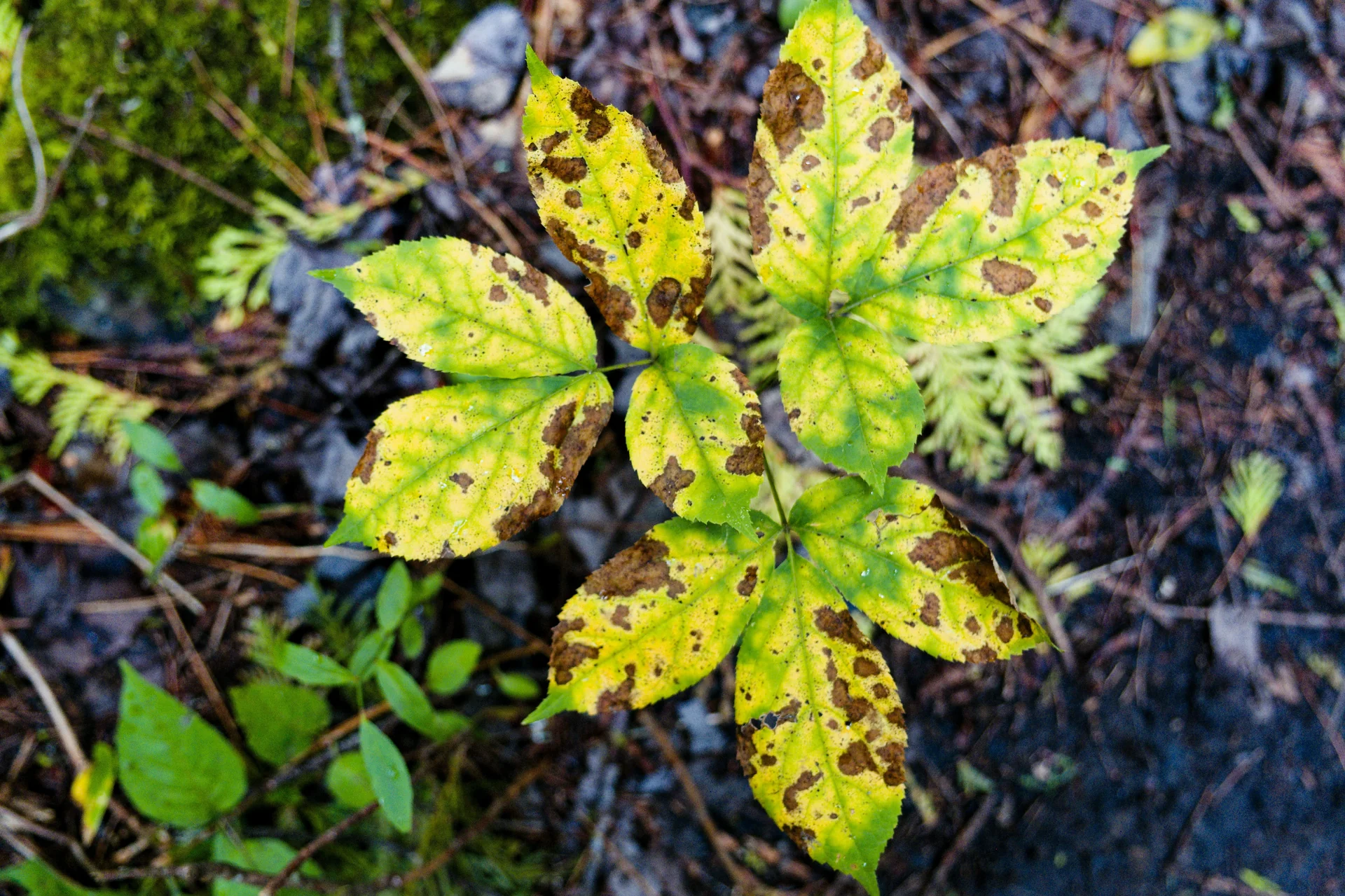
Intermediate symptoms: Leaves curl tightly, almost like little tubes. The leaf edges may become crispy or develop brown spots (necrosis). Bracts bleach to pale, washed-out versions of their normal color—reds become pink, purples become lavender. Bracts begin to drop, often from the outer edges inward. The plant may wilt in the afternoon, even with moist soil, but recovers by morning. This is the plant's protective wilting, not dehydration.
Advanced symptoms: Severe leaf curl with crispy, dead margins. Many leaves drop. Bracts are almost completely gone. Stems may show sunburn (bleached areas on the bark). The plant looks ragged and stressed. If the heat continues, entire branches may die. In containers, if soil overheats, roots die, and the plant may not recover even after the heat wave.
Common misdiagnoses: Heat stress is often mistaken for underwatering because both cause wilting and leaf curl. The difference: with underwatering, the soil is dry, and the plant doesn't recover overnight. With heat stress, the soil is moist (or at least not bone-dry), and the plant perks up when temperatures drop. Also, heat stress causes uniform cupping across the canopy, while underwatering often starts at the top or outer edges. Another misdiagnosis: heat-induced leaf drop is sometimes blamed on overwatering. Check soil moisture and recent temperatures.
Visual clues for accurate assessment: Look at the time of day and the forecast. If symptoms appear in the afternoon after a 100°F day and improve by morning, it's heat stress. Also, check the pot temperature—if it's too hot to hold your hand against for more than a few seconds, roots are cooking. Finally, note the pattern: heat stress affects the most exposed leaves first (south and west sides), while water stress is more uniform.
Causes and Contributing Factors
Heat stress doesn't happen in a vacuum. Several factors make it worse or better.
Environmental factors: Low humidity is a major contributor. In dry air (below 20% humidity), transpiration rates skyrocket. The same temperature in humid conditions (50%+) causes less stress because evaporative cooling reduces leaf temperature. Wind also increases transpiration, making heat stress worse. Radiant heat from walls, concrete, or gravel can add 10-20°F to leaf temperature. A plant next to a white wall on a 95°F day can experience leaf temperatures of 110°F.
Watering mistakes: Underwatering makes heat stress much worse—the plant can't cool itself without water. But overwatering can also exacerbate heat stress if it leads to root damage. The ideal is consistent, deep watering that keeps the root zone moist but not saturated. Watering in the morning (before heat arrives) gives the plant a full reservoir of water to draw from during the day. Evening watering leaves the plant less prepared for the next day's heat.
Nutrient issues: High-nitrogen fertilizers push soft, tender growth that is more susceptible to heat damage. Potassium, on the other hand, strengthens cell walls and improves heat tolerance. A plant with adequate potassium will show less leaf curl and less bract bleaching. In heat-prone areas, use a fertilizer with higher potassium (e.g., 10-10-20).
Container-related factors: Dark-colored pots absorb solar radiation and can heat soil to lethal temperatures. A black plastic pot in full sun on a 100°F day can reach 120°F inside. Light-colored pots (white, tan, light gray) reflect heat. Terracotta pots breathe and cool through evaporation but can also wick moisture away. Fabric pots (Smart Pots) cool through evaporative transpiration from the sides. Double-potting (placing a pot inside a larger, light-colored pot) insulates roots.
Climate and region specifics: In low deserts (Phoenix, Las Vegas), summer heat is extreme and prolonged. Afternoon shade is not optional—it's essential for survival. In Mediterranean climates (coastal California), heat waves are shorter and less intense, but plants near reflective surfaces can still suffer. In humid tropics (Florida), heat stress is less common because humidity keeps leaf temperatures lower, but afternoon sun can still cause bleaching.
How to Manage and Prevent Heat Stress
Follow this step-by-step guide to protect your bougainvillea during heat waves.
- Provide afternoon shade. This is the single most effective measure. Use 30-50% white shade cloth suspended above the plant, or position containers where trees, buildings, or fences cast shade from 1 PM to 5 PM. Morning sun is sufficient for blooming; afternoon protection prevents stress. For in-ground plants, planting on the east side of a building works well.
- Water deeply in the morning. Give the plant a thorough watering before the heat arrives. Moist soil conducts heat away from roots better than dry soil. Water until it runs out the drainage holes (or, in landscape, to a depth of 12 inches). Morning watering ensures the plant has maximum water availability during the hottest part of the day.
- Mulch the soil surface. Apply 1-2 inches of organic mulch (bark, straw, compost) around the base, keeping it away from the stem. Mulch insulates soil, keeping it cooler and reducing evaporation. In containers, a layer of coarse perlite or small gravel also helps reflect heat.
- Use light-colored or insulated pots. Switch to white, tan, or light gray pots. Or double-pot: place the plant in a nursery pot, then set that inside a larger decorative pot with an inch of gravel or perlite in the bottom. The air gap insulates. Fabric pots are excellent because they cool through evaporation.
- Increase humidity around the plant. Misting the leaves in the morning (before sun is intense) can lower leaf temperature through evaporative cooling. Do not mist in direct midday sun—water droplets can act as magnifying lenses and cause sunburn. A pebble tray under the pot or grouping plants together also raises humidity.
- Improve air circulation. Stagnant air increases heat stress. A gentle breeze (from a fan or natural airflow) helps cool leaves. But avoid hot, drying winds—if your area has hot, dry winds, provide a windbreak.
- Temporarily reduce fertilizer. Do not fertilize during a heat wave. Fertilizer salts can burn stressed roots. Wait until temperatures normalize and the plant shows new growth.
- Consider moving container plants indoors or to a cooler location. If a severe heat wave is forecast (105°F+ for several days), move pots into a garage, cool room, or shaded area. The plant will survive with less light for a few days. This is especially important for sensitive cultivars.
- After the heat wave, prune damaged foliage. Remove leaves that are more than 50% crispy or bleached. This allows the plant to focus energy on new growth. Wait until after the heat wave to prune—stressed plants need their leaves for cooling, even if damaged.
- Resume normal care gradually. After temperatures drop below 95°F, slowly increase watering back to normal frequency. Wait 2-3 weeks before resuming fertilizer. New growth should appear within a month. Bracts may take another 4-6 weeks.
Common Mistakes with Heat Stress
- Watering in the afternoon during a heat wave. Watering hot soil can cause root shock, and water on leaves in intense sun can cause sunburn. Water only in the early morning.
- Assuming the plant is thirsty and overwatering. Heat-stressed plants may have moist soil. Always check soil moisture before adding water. Overwatering during heat can lead to root rot because the plant is transpiring less.
- Using dark pots in full sun. Black or dark brown pots are heat magnets. Switch to light colors or insulate.
- Fertilizing to help the plant recover during heat. Fertilizer salts burn stressed roots. Wait until after the heat wave.
- Pruning heavily during heat stress. Leaves provide shade and cooling. Pruning removes them, making the plant more vulnerable. Wait until after the heat wave.
- Ignoring reflected heat. A plant against a white wall or on light-colored gravel can get double the heat. Leave an air gap or move the plant.
- Assuming all cultivars handle heat equally. 'Rosenka' will crisp while 'Barbara Karst' sails through. Know your plant's limits and provide extra protection for sensitive ones.
Expert Tips from Experienced Growers
Here's what I've learned from growing bougainvillea in some of the hottest climates in North America.
Low desert (Phoenix, Las Vegas, Palm Springs): Afternoon shade is mandatory. I use 40% white shade cloth from June through September. Water container plants daily in the morning. Use light-colored pots or fabric pots. Mulch heavily. Choose heat-tolerant cultivars: 'Barbara Karst', 'San Diego Red', 'Texas Dawn'. Avoid 'Rosenka' and 'Pink Pixie' unless you can keep them in air conditioning. Even then, they struggle.
High desert (Albuquerque, inland SoCal): The sun is intense due to altitude, but nights cool down significantly. Take advantage of nighttime cooling by watering in the evening? No, morning is still better. But the cool nights allow plants to recover fully. The main risk is sunburn on leaves from UV. Use shade cloth or plant on east-facing exposures.
Mediterranean (coastal California, Spain, Australia): Heat waves are typically short (3-5 days). During a heat wave, move container plants into the shade of a tree or patio. For landscape plants, a quick misting in the morning helps. Most plants will survive with minimal damage if the heat wave is brief. After it passes, they bounce back quickly.
Container growing observations: Fabric pots are a game-changer in hot climates. The evaporative cooling from the sides keeps roots 10-15°F cooler than plastic pots. I've tested this: on a 105°F day, a black plastic pot measured 118°F soil temperature; a white fabric pot next to it measured 92°F. The difference in plant health is enormous. If you grow in hot climates, switch to fabric or light-colored pots.
Nursery production secrets: Commercial growers in hot regions use evaporative cooling (swamp coolers) in greenhouses. They also use shade cloth and time irrigation to coincide with the hottest part of the day (not morning) because the water cools the plants. For home growers, a simple oscillating sprinkler running for 10 minutes at 2 PM can drop leaf temperature by 10-15°F. But this works only if you have good drainage and low humidity.
Collector-level technique: For valuable, heat-sensitive cultivars, create a microclimate by grouping them with larger, heat-tolerant plants that provide natural shade. Place them on the north side of a large 'Barbara Karst'. Also, use white gravel as a mulch—it reflects light upward, which seems counterintuitive, but the reflection increases light without adding heat (light doesn't equal heat). The gravel also keeps soil cool.
Troubleshooting Guide
| Problem | Likely Cause | Solution |
|---|---|---|
| Leaves cup upward, plant wilts in afternoon, recovers by morning | Heat stress (normal protective response) | Provide afternoon shade. Water deeply in morning. Mulch. No action needed if soil is moist. |
| Leaves tightly rolled, crispy brown edges | Severe heat stress, possibly combined with underwatering | Shade immediately. Check soil—if dry, water deeply. If moist, add shade. Prune crispy leaves after heat wave. |
| Bracts fade to pastel colors, then drop | Heat-induced pigment breakdown and abscission | Normal in extreme heat. Provide shade to prevent further loss. New bracts will appear when temperatures moderate. |
| Leaves have white or silvery patches (sunburn) | UV damage, often from sudden exposure or reflected light | Move to location with less intense midday sun. Apply shade cloth. Damaged tissue won't heal; new growth will be fine. |
| Plant fails to recover after heat wave, continues to wilt | Root damage from overheated soil (cooked roots) | Unpot and check roots. If brown and mushy, repot into fresh, cool mix. Place in shade. Water sparingly. May recover. |
| Leaves yellow and drop during heat wave, soil is wet | Overwatering combined with heat stress (root suffocation) | Stop watering. Improve drainage. Move to shade. Do not water again until top 2 inches are dry. |
| Only one side of the plant is affected | Reflected heat from wall, window, or pavement | Move plant or create a barrier. White walls reflect both heat and light; leave an air gap or use shade cloth. |
| Spider mites appear during heat wave | Hot, dry conditions favor mites; heat-stressed plants are vulnerable | Increase humidity. Spray with water (morning). Use neem oil or insecticidal soap. Treat after heat wave. |
Frequently Asked Questions
Can bougainvillea survive 100-degree heat?
Yes, with proper care. They can survive 100°F (38°C) if they have adequate water and some afternoon shade. At 105°F+, they will show significant stress. Survival depends on humidity, pot color, and cultivar. 'Barbara Karst' can handle 110°F for short periods; 'Rosenka' will suffer at 95°F. Always provide afternoon shade in extreme heat.
Should I water my bougainvillea every day during a heat wave?
Only if the soil is dry. In containers with fast-draining mix, you may need to water daily in 100°F+ heat. But always check first: stick your finger 2 inches deep. If dry, water deeply. If moist, wait. Overwatering during heat can cause root rot because the plant's transpiration slows down. Morning watering is best.
Will my bougainvillea recover from heat stress?
Usually yes, if the roots are healthy. After a heat wave, the plant may look ragged—curled leaves, bleached bracts, some leaf drop. Give it 2-4 weeks of normal temperatures, consistent watering, and no fertilizer. New leaves will emerge flat and green. Bracts may take 4-8 weeks to reappear. Severe root cooking is the only thing that's often fatal.
Is afternoon shade okay for bougainvillea blooming?
Absolutely. Morning sun (from sunrise to about 1 PM) provides 6-8 hours of direct sun, which is plenty for blooming. Afternoon shade protects the plant from the most intense heat and UV. In fact, many growers in hot climates prefer east-facing exposures for this reason. You'll get just as many blooms as all-day sun, with less stress.
What are the most heat-tolerant bougainvillea cultivars?
From my experience and network: 'Barbara Karst' (red) is the champion—it thrives in Phoenix summers. 'San Diego Red' is close. 'Texas Dawn' (apricot) handles heat well. 'Torch Glow' (compact red) is surprisingly tough. 'Crimson Jewel' and 'White Madonna' are moderate. Avoid 'Rosenka' (golden), 'Pink Pixie', 'Vera Deep Purple', and any variegated cultivars in extreme heat—they will crisp.
Can I use a fan to cool my bougainvillea during a heat wave?
Yes, but only if the air being moved is cooler than the leaf temperature. A fan indoors can help. Outdoors, a fan may blow hot, dry air, increasing transpiration. In dry climates, a fan can make heat stress worse. If you use a fan, pair it with a misting system to provide evaporative cooling. For most outdoor plants, shade cloth is more effective.
My bougainvillea dropped all its bracts during a heat wave. Will it bloom again this year?
Yes, if there's enough growing season left. After the heat wave ends and temperatures return to normal (below 90°F), the plant will need 4-8 weeks to produce new bracts. In climates with long summers (e.g., through October), you'll get another bloom cycle. In short-summer regions, you may have to wait until next year. Provide good care and be patient.
Should I fertilize after a heat wave to help recovery?
Wait 2-3 weeks after temperatures normalize. Fertilizing too soon can burn stressed roots. First, let the plant resume active growth—look for new, flat leaves. Then apply a balanced or bloom fertilizer at half strength. High-nitrogen fertilizers are not recommended; they push tender growth that could be damaged by another heat wave.
Related Bougainvillea Topics
- Direct Sunlight vs. Heat Stress: Finding the Balance
- Shade Cloth for Bougainvillea: Density and Placement
- Watering During Heat Waves: Morning vs. Evening
- Choosing Heat-Smart Pots: Color, Material, and Insulation
- Top 10 Heat-Tolerant Bougainvillea Cultivars
- Mulching to Keep Roots Cool in Summer
- Leaf Curl: Heat Stress vs. Pests vs. Underwatering
- Spider Mites in Hot Weather: Prevention and Control
Summary
Heat stress is a real threat to bougainvillea, even though they love sun. When temperatures exceed 95°F (35°C), especially with low humidity, leaves curl, bracts bleach and drop, and the plant's growth stalls. The key to managing heat stress is prevention: provide afternoon shade (30-50% cloth or natural shade), water deeply in the morning, use light-colored or fabric pots, mulch the soil, and choose heat-tolerant cultivars like 'Barbara Karst'.
During a heat wave, do not fertilize, do not prune, and do not assume the plant is thirsty without checking soil moisture. After the heat wave, be patient—recovery takes weeks. Remove damaged foliage, resume normal watering, and wait for new growth before fertilizing.
My final advice: in hot climates, don't fight the sun—work with it. Position your bougainvillea to receive morning sun and afternoon shade. Use white pots or fabric pots. Water consistently but not excessively. And accept that even the toughest plants will show some stress during extreme heat waves; they'll bounce back when cooler weather returns. With these strategies, your bougainvillea will thrive through the hottest summers and reward you with spectacular color.
Related Plants
Plant Guide
Eva Variegated
This Eva Variegated bougainvillea is valued for its mixed pink, cream, orange, or white tones bracts and its best grown in bright sun to preserve leaf variegation and vivid bracts. In warm tropical and subtropical gardens, it performs as a resilient ornamental climber that rewards full sun, sharp drainage, and a restrained feeding regime with long flushes of colour.
Plant Guide
Golden Summer Tricolour
This Golden Summer Tricolour bougainvillea is valued for its mixed pink, cream, orange, or white tones bracts and its best grown in bright sun to preserve leaf variegation and vivid bracts. In warm tropical and subtropical gardens, it performs as a resilient ornamental climber that rewards full sun, sharp drainage, and a restrained feeding regime with long flushes of colour.
Plant Guide
Rainbow veriegated
This Rainbow veriegated bougainvillea is valued for its mixed pink, cream, orange, or white tones bracts and its best grown in bright sun to preserve leaf variegation and vivid bracts. In warm tropical and subtropical gardens, it performs as a resilient ornamental climber that rewards full sun, sharp drainage, and a restrained feeding regime with long flushes of colour.
Plant Guide
Tri Color Verigated
This Tri Color Verigated bougainvillea is valued for its mixed pink, cream, orange, or white tones bracts and its best grown in bright sun to preserve leaf variegation and vivid bracts. In warm tropical and subtropical gardens, it performs as a resilient ornamental climber that rewards full sun, sharp drainage, and a restrained feeding regime with long flushes of colour.
Plant Guide
21 Jewel Pink Variegated
This 21 Jewel Pink Variegated bougainvillea is valued for its pink with cream or white variegation bracts and its floriferous climber with reliable warm-season colour. In warm tropical and subtropical gardens, it performs as a resilient ornamental climber that rewards full sun, sharp drainage, and a restrained feeding regime with long flushes of colour.
Plant Guide
21 Jewel Pink
This 21 Jewel Pink bougainvillea is valued for its pink to deep rose bracts and its floriferous climber with reliable warm-season colour. In warm tropical and subtropical gardens, it performs as a resilient ornamental climber that rewards full sun, sharp drainage, and a restrained feeding regime with long flushes of colour.
Related Articles
Guide
Why Your Bougainvillea is Dropping Leaves (And How to Save It)
Bougainvillea leaf drop is usually a stress signal, not a death sentence. This guide explains the most common causes, how to diagnose them quickly, and the exact steps to restore growth before the plant declines further.
Guide
How to Make Bougainvillea Bloom Heavily in Monsoon Season (Kolkata / West Bengal Guide)
Monsoon rain is the enemy of bougainvillea blooms. This guide explains how to protect your plant during Bengal's June–September rainy season and time the October dry-stress window to trigger the most spectacular flush of the year.
Guide
Common Bougainvillea Problems & Fixes: Root Rot, No Blooms, Yellow Leaves (Complete Guide)
The 8 most common bougainvillea problems diagnosed and fixed: root rot, no blooms, yellow leaves, leaf drop, leggy growth, pests, powdery mildew, and overwatering. Each entry includes symptoms, cause, exact fix, and expected recovery time.
Guide
Top 10 Bougainvillea Varieties for Indian Gardens — With Where to Buy Guide
The 10 best bougainvillea varieties for Indian gardens, ranked by performance in heat, humidity, and monsoon conditions. Includes care level, bloom frequency, pot suitability, and where to source each variety in India.
Guide
Bougainvillea Watering Calculator Explained — How It Works + Real Results from Indian Growers
A transparent, plain-English explanation of how the bougainvillea watering calculator works — the formula, all variables, and real output examples from Kolkata, Delhi, and Chennai. Plus, when to override the calculator based on your specific conditions.
Guide
Best Fertilizer for Bougainvillea: Feed for Bracts, Not Leaves (Global Guide)
Global guide to bougainvillea fertilizer: organic vs synthetic, low-nitrogen NPK ratios, feeding schedules for pots and ground, and how to trigger heavy blooms without excess leaf growth.
Related Calculators & Tools
Calculator
Bougainvillea Heat Stress & Watering Calculator
Diagnose heat stress in potted Bougainvilleas during extreme summer weather.
Calculator
Bougainvillea Watering Schedule Calculator
Calculate exactly when to water your Bougainvillea using the proven Dry-to-Bloom method.
Calculator
Bougainvillea NPK Fertilizer Calculator
Analyze your fertilizer NPK ratio to ensure it promotes Bougainvillea blooms rather than just green leaves.
Calculator
Bougainvillea Garden Mulch Calculator
Calculate exact mulch volumes while learning how to apply it safely around Bougainvilleas.
Calculator
Bougainvillea Neem Oil & Pest Calculator
Calculate precise neem oil dilutions to eradicate Bougainvillea Loopers and aphids.
Calculator
Bougainvillea Potting Mix Calculator
Calculate the exact volumes of perlite, compost, and soil for a fast-draining Bougainvillea mix.