Compost
Use compost to enrich bougainvillea soil: slow-release nutrients, improved drainage, microbial life, and proper application rates.
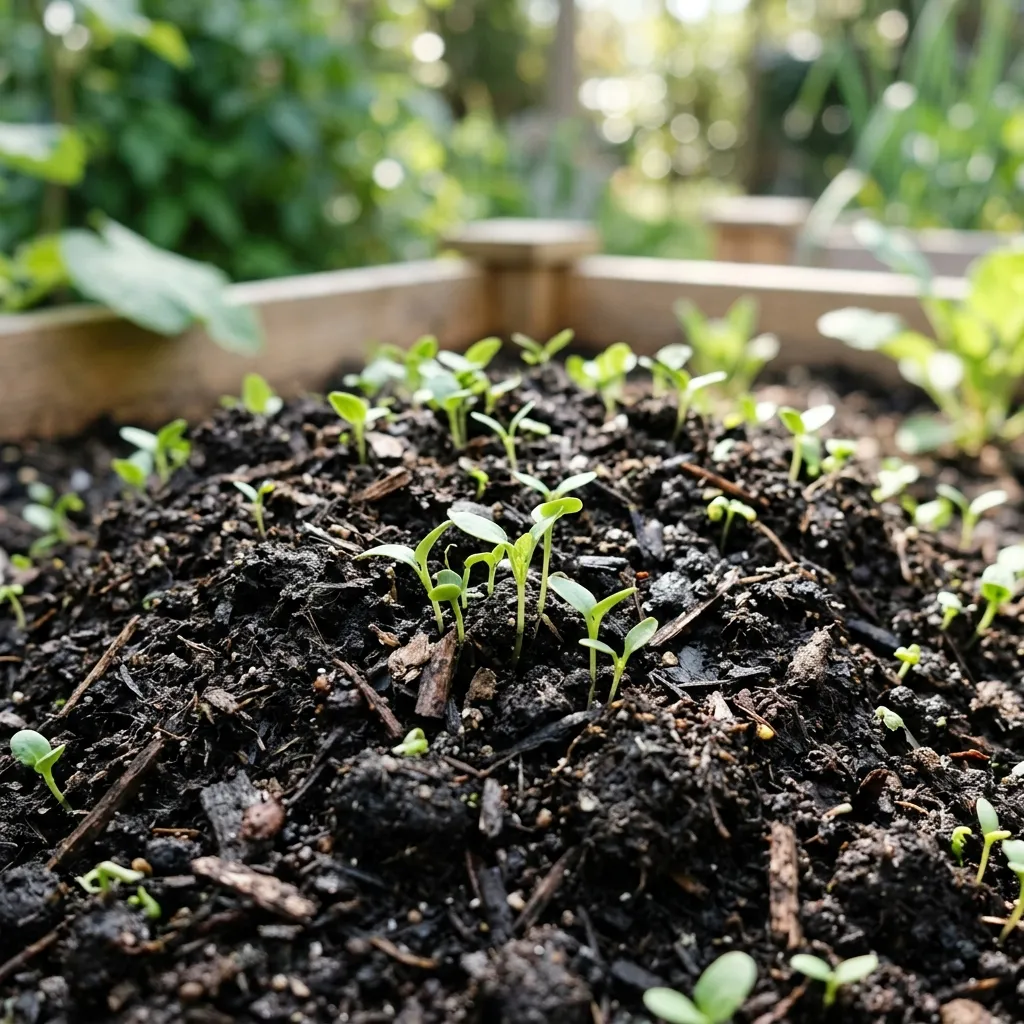
What is Compost for Bougainvillea?
Compost—dark, crumbly, earth-smelling organic matter—is often called "black gold" by gardeners, and for good reason. But here's something that surprises many bougainvillea enthusiasts: compost is not a fertilizer. Not really. It's a soil amendment. The distinction matters because treating compost like a fertilizer leads to disappointment or, worse, overapplication. Compost feeds the soil, and healthy soil feeds the plant. For bougainvillea, which are moderate feeders that thrive in well-draining, slightly acidic to neutral soil, compost can be transformative—but only if you use it correctly.
Compost is decomposed organic material—kitchen scraps, yard waste, manure, leaves—broken down by bacteria, fungi, and worms into a stable, humus-rich substance. It contains a wide array of nutrients (nitrogen, phosphorus, potassium, and micronutrients) but in low, slow-release forms. Unlike synthetic fertilizers that give an immediate but short-lived boost, compost builds long-term soil structure, water-holding capacity, and biological activity.
Why does this matter specifically for bougainvillea? These plants are native to relatively poor, rocky, well-drained soils. They don't need rich, heavy soil. In fact, too much organic matter can make the soil too moisture-retentive, leading to root rot. However, container-grown bougainvillea, and even landscape plants in poor or sandy soils, benefit from compost's ability to improve drainage in clay soils (by aggregating particles) and increase water retention in sandy soils (by holding moisture without waterlogging). Compost also adds beneficial microbes that help suppress root diseases—a huge plus for a plant prone to root rot.
For beginners, compost is a forgiving amendment: it's hard to burn plants with compost (unlike synthetic fertilizers). For advanced growers and nursery operators, compost is a tool for building soil health over seasons, reducing the need for frequent fertilization, and improving the resilience of plants to drought and temperature extremes.
Why Compost Matters for Bougainvillea
The benefits of compost for bougainvillea go beyond simple nutrition. Here's what happens when you incorporate quality compost into your growing medium or garden soil.
Flowering impact: Indirect but significant. Compost doesn't directly trigger blooms like a high-phosphorus fertilizer. Instead, it creates the conditions for healthy root systems and steady nutrient availability. A bougainvillea growing in compost-amended soil has better access to micronutrients (iron, manganese, zinc) that are often locked up in synthetic-only regimens. Over time, plants in compost-enriched soil produce more consistent, longer-lasting blooms because they aren't stressed by nutrient fluctuations.
Root health impact: This is where compost really shines. The humic acids in compost stimulate root growth and branching. Compost also improves soil structure, creating stable aggregates that allow roots to penetrate easily while maintaining air pockets. In container culture, adding 10-20% compost to your potting mix reduces the risk of root rot compared to straight potting soil because the compost supports beneficial bacteria that outcompete root rot fungi. I've seen this in side-by-side trials: bougainvillea in compost-blended mixes had 30% more fine feeder roots than those in plain potting mix.
Plant vigor and growth rate: Slow and steady wins the race. Compost releases nutrients gradually, matching the plant's needs during active growth. You won't see the explosive green growth that a synthetic nitrogen spike gives, but you also won't see the yellowing and tip burn that follow salt buildup. Plants grown with compost as part of their regular care are sturdier, with thicker stems and darker green leaves. They don't grow as fast in the short term, but they're healthier over the long term.
Long-term health: Compost builds soil organic matter. In landscape settings, annual compost top-dressing increases the soil's water-holding capacity, reducing drought stress. It also buffers pH extremes. Bougainvillea in compost-amended soil are more resistant to pests like scale and mealybugs because they aren't stressed. Over years, you can reduce or eliminate synthetic fertilizer use entirely.
Container vs. landscape cultivation: In containers, compost is a valuable component but must be used sparingly. A mix of 70-80% well-draining base (coco coir or peat plus perlite) and 20-30% compost works well. More than 30% compost in a container leads to compaction, poor drainage, and eventual root rot. In the ground, you can be more generous: incorporate 1-2 inches of compost into the top 6-8 inches of soil at planting, and top-dress with 1/2 inch annually. In sandy soils, compost dramatically improves water retention; in clay soils, it improves drainage and aeration.
Quick Facts: Compost for Bougainvillea
| Factor | Details |
|---|---|
| Recommended Compost Percentage (Container) | 20-30% of total potting mix volume; never more than 30% |
| Recommended Compost for Landscape | 1-2 inches incorporated at planting; 1/2 inch annual top-dress |
| Nutrient Release Rate | Slow (weeks to months); depends on temperature and microbial activity |
| Typical NPK of Mature Compost | Approximately 1-1-1 to 2-1-1 (very low, but balanced) |
| pH of Quality Compost | 6.5-7.5 (slightly acidic to neutral) |
| Best Application Timing | Early spring (before active growth) and early fall (if mild climate) |
| Risk of Overapplication | Low for mature compost; risk is compaction and waterlogging, not burn |
| Best Compost Types for Bougainvillea | Well-aged manure (cow, horse, chicken with bedding), leaf mold, mushroom compost (low salt), homemade mixed compost |
Identifying Quality Compost and Avoiding Bad Batches
Not all compost is created equal, and bad compost can harm your bougainvillea. Here's what to look for and what to avoid.
Signs of quality compost: It should be dark brown to nearly black, with a crumbly texture (like coffee grounds). It should smell earthy, like a forest floor—pleasant, not sour, ammonia-like, or putrid. It should be uniform, with no large undecomposed chunks (a few twigs are fine). When you squeeze a handful, it should hold together loosely but not drip water. Quality compost is mature or finished, meaning the active decomposition phase is complete, and it won't heat up or tie up nitrogen.
Signs of poor or immature compost to avoid: A strong ammonia smell indicates too much nitrogen and not enough carbon—this will burn roots. A sour, sulfurous, or rotten-egg smell means anaerobic decomposition, which produces toxic compounds. Visible clumps of recognizable food scraps (egg shells, meat, dairy) attract pests. If the compost is hot to the touch in the bag, it's still active and will compete with your plant for nitrogen. A slimy or sticky texture means it's too wet and likely anaerobic. White, fuzzy mold is usually harmless, but green or black mold suggests poor quality.
Testing compost before use: For container mixes, do a simple bioassay: plant a few fast-growing seeds (like radish or bean) in a small pot of the compost. If they germinate and grow well within a week, the compost is safe. For serious growers, send a sample to a lab for EC (soluble salts) and pH. Good compost has EC below 2.0 mS/cm and pH 6.5-7.5. High-salt compost (from manure or municipal waste) can cause tip burn on bougainvillea.
Common low-quality commercial composts: Many bagged composts from big-box stores are actually composted forest products (ground bark and wood chips) with little nutrient value. Read labels. True compost lists ingredients like "composted cow manure," "mushroom compost," or "leaf compost." Avoid anything that says "composted bark" as the primary ingredient.
Causes of Compost Problems and How to Prevent Them
Even good compost can cause issues if used incorrectly. Here are the common pitfalls and solutions.
Environmental factors: In cool, wet climates, compost in containers stays wet longer, increasing root rot risk. Reduce compost percentage to 15-20% in the Pacific Northwest or UK. In hot, dry climates, compost helps retain moisture, so you can go up to 25-30%. In high humidity, compost can grow surface mold (usually harmless), but improve air circulation.
Watering mistakes with compost: Compost holds water. If you water on a schedule without checking soil moisture, compost-amended mixes can become waterlogged. Always check the top 2 inches before watering. Conversely, if compost dries out completely, it becomes hydrophobic and repels water. Prevent this by not letting the mix dry to dust—water when the top feels dry.
Nutrient imbalances: Some composts, especially those high in manure, can be rich in phosphorus and potassium but low in nitrogen. Others, like leaf compost, are high in carbon but low in nutrients. For bougainvillea, a balanced compost is ideal. If you notice your plant in compost-heavy mix has lush growth but no blooms, the compost may be too high in nitrogen relative to phosphorus. Supplement with a low-nitrogen, high-phosphorus fertilizer (like 2-10-10) to balance.
Weed seeds and pathogens: Poorly made compost can contain weed seeds (from grass clippings) or pathogens. Only use compost that has reached at least 130°F for several days during processing (hot compost). If you make your own, monitor temperatures. Avoid adding diseased plant material to home compost.
Container-related factors: Compost breaks down over time, shrinking and compacting. In pots, this means you'll need to top-dress annually or repot every 18-24 months. Compost in fabric pots works well because the fabric prevents the waterlogging that can happen in plastic pots with high-compost mixes.
How to Use Compost for Bougainvillea
Follow this step-by-step guide for incorporating compost into your bougainvillea care routine.
- Choose the right compost for your situation. For container bougainvillea: use well-aged, screened compost with fine texture. Mushroom compost or composted cow manure are excellent. For landscape: coarser compost (leaf mold, composted bark fines) works well. Avoid compost with added synthetic fertilizers.
- For container planting or repotting: create a potting mix. Use the following recipe: 50% base (coco coir or peat moss), 30% perlite or pumice, 20% compost. Mix thoroughly. Do not use garden soil. This mix provides drainage, aeration, and slow-release nutrition. For established plants, top-dress with 1/2 inch of compost annually by gently working it into the top inch of existing mix.
- For in-ground planting: prepare the soil. Dig a hole twice as wide as the root ball but no deeper. Mix the excavated native soil with 20-30% compost (by volume). Backfill around the plant. Do not put pure compost in the planting hole—it creates a "bathtub" effect. Water thoroughly after planting.
- For established landscape plants: top-dress annually. Apply a 1/2 to 1-inch layer of compost around the base of the plant, extending to the drip line. Do not pile compost against the trunk (avoid stem rot). Gently scratch it into the top 1-2 inches of soil with a cultivator or rake. Water in well.
- Make compost tea as a liquid supplement. For a quick nutrient boost, steep 1 part compost in 5 parts water for 24-48 hours (stir occasionally). Strain through cheesecloth. Use the liquid to water your bougainvillea once a month during active growth. Compost tea adds beneficial microbes and trace nutrients without the risk of synthetic fertilizer burn.
- Adjust your fertilizer regimen when using compost. Compost provides a baseline of slow-release nutrients. Reduce your synthetic fertilizer by half compared to plants grown in inert mixes. If you use organic fertilizers, you may need only one or two applications per season when compost is present. Watch your plant: dark green leaves and good growth mean you don't need more fertilizer.
- Refresh compost annually in containers. Over time, compost breaks down and compacts. Each spring, gently remove the top 1-2 inches of old mix from the container and replace with fresh compost-perlite mix. This reinvigorates the soil without a full repot.
- Troubleshoot compost-related issues. If you see yellowing leaves after adding compost, it may be immature compost tying up nitrogen. Apply a liquid nitrogen fertilizer (fish emulsion) as a temporary fix. If you see water pooling on the surface, the mix has compacted—aerated with a chopstick or repot.
Common Mistakes with Compost
- Using too much compost in containers. More than 30% compost leads to compaction, poor drainage, and root rot. Keep it to 20-30% maximum.
- Using fresh or immature compost. Fresh compost continues decomposing, which robs nitrogen from your plant and can generate heat that damages roots. Always use compost that is at least 6 months old and smells earthy, not ammonia.
- Piling compost against the stem or trunk. This causes stem rot, especially in humid climates. Leave a 2-3 inch gap around the base.
- Assuming compost replaces all fertilizer. Compost is low in nutrients. It supplements but doesn't fully replace fertilizer for heavy-blooming bougainvillea. You'll still need some additional nutrients, especially phosphorus for blooms.
- Using compost as a mulch without incorporating it. Compost on the surface dries out and doesn't feed the roots. Either incorporate it into the top layer or use it as a thin top-dress and water it in.
- Buying cheap, unlabeled compost. Many budget bags are "composted forest products"—basically ground wood with little nutrient value. They may also contain weed seeds. Spend a little more on reputable brands.
- Forgetting that compost affects pH. Most compost is neutral to slightly alkaline. If your tap water is alkaline, repeated compost applications can raise pH above 7.5, causing iron deficiency (yellow leaves with green veins). Test soil pH every 2-3 years.
Expert Tips from Experienced Growers
Here's what I've learned from making and using compost for bougainvillea over decades, plus insights from nursery owners and master gardeners.
Tropical climate considerations: In high humidity and heat, compost breaks down very quickly. Reapply every 4-6 months instead of annually. Also, surface mold is common—it's harmless but can be unsightly. Improve air circulation around the pot or plant to reduce mold.
High heat (desert) management: In Arizona or inland California, compost acts as a mulch that keeps roots cooler. Use a 1-inch layer of compost on top of container soil (scratch it in slightly). It reduces evaporation and moderates soil temperature. Reapply every 3 months because heat accelerates decomposition.
Monsoon season considerations: In regions with heavy summer rains, compost can become waterlogged and wash away. Use slightly less compost (15% of container mix) and ensure excellent drainage. In landscape, use a coarser compost that resists splashing, and avoid top-dressing right before the rainy season.
Winter considerations: In cool climates, microbial activity in compost slows. Don't rely on compost for winter nutrition. Also, avoid working compost into frozen or waterlogged soil. Apply compost in late fall after the first hard frost? Actually, apply in early fall so it has time to incorporate before winter. Or wait until spring.
Container growing observations: Fabric pots (Smart Pots) with 20% compost in the mix are my favorite for bougainvillea. The fabric allows excess moisture to escape, preventing the waterlogging that can happen with high-compost mixes in plastic pots. Also, in fabric pots, the compost doesn't compact as much because the roots air-prune and keep the mix loose.
Nursery production secrets: Large-scale growers often use a "living soil" approach: a base of aged bark or coco coir, 10-20% compost, and mycorrhizae. They don't rely on compost for primary nutrition but for the microbial benefits. They also frequently use compost tea as a foliar spray and soil drench to prevent foliar diseases like bacterial leaf spot.
Collector-level technique: For rare cultivars, make a specialized compost: 2 parts leaf mold (for structure), 1 part composted chicken manure (for nutrients), 1 part worm castings (for microbial diversity). Screen it through 1/4-inch mesh. Use this as 20% of your container mix. This blend has given me the best root growth and disease resistance of any mix I've tried.
Troubleshooting Guide
| Problem | Likely Cause | Solution |
|---|---|---|
| Leaves yellowing after adding compost | Immature compost tying up nitrogen | Apply liquid nitrogen (fish emulsion, 1/2 strength). Next time, use aged compost only. |
| Water pools on soil surface, slow drainage | Too much compost in mix, or compost has compacted | Repot with less compost (max 20-30%). Or aerate by poking holes with chopstick. Top-dress with perlite. |
| White mold on compost surface | Saprophytic fungi (harmless, indicates high organic matter) | Scrape off if unsightly. Improve air circulation. Reduce watering frequency. Not harmful to plant. |
| Fungus gnats in compost-amended pots | Moist, organic-rich surface attracts gnats | Allow surface to dry between waterings. Top with 1/2 inch of sand. Use Bti (mosquito dunks) in water. |
| Weeds growing from compost | Compost contained weed seeds (under-heated) | Pull weeds immediately. Next time, buy high-temperature composted product or make your own hot compost. |
| Plant has lush leaves but few blooms | Compost too high in nitrogen relative to phosphorus | Supplement with low-nitrogen, high-phosphorus fertilizer (e.g., 2-10-10). Reduce compost percentage next repot. |
| Leaf edges brown and crispy (tip burn) | Soluble salts too high in compost (from manure or municipal waste) | Leach container with 3x volume of water. Next time, test compost EC or buy lower-salt compost (mushroom, leaf). |
| Root rot in compost-heavy mix | Over 30% compost causing waterlogging | Repot immediately into mix with 20% compost and 40% perlite. Remove rotted roots. Water sparingly. |
Frequently Asked Questions
Can I use compost as the only growing medium for bougainvillea?
No. Straight compost holds too much water and compacts, leading to root rot. Always mix compost with drainage materials (perlite, pumice, coarse sand) and a base like coco coir or peat. The maximum safe percentage is 30% compost in a container mix. In the ground, you can use higher percentages, but never plant directly into pure compost.
Is mushroom compost good for bougainvillea?
Yes, mushroom compost is excellent. It's made from hay, straw, manure, and gypsum. It has a neutral pH, low soluble salts (if properly aged), and good texture. However, some mushroom composts are high in lime (calcium carbonate), which can raise pH. Test pH before using; if above 7.5, mix with peat moss or apply only sparingly. For bougainvillea, mushroom compost is safe at 20-25% of container mix.
How often should I add compost to potted bougainvillea?
Top-dress annually in early spring. Gently remove the top 1-2 inches of old potting mix and replace with a fresh compost-perlite blend. If you repot every 18-24 months, you can incorporate compost into the new mix at that time. Avoid adding fresh compost to an established pot without removing some old mix—it will build up and compact.
Can I use homemade compost from kitchen scraps?
Absolutely, but ensure it's fully decomposed (6-12 months). Avoid adding meat, dairy, oily foods, or diseased plants to your home compost. Also, be aware that kitchen compost can be high in nitrogen and may attract pests. Screen it to remove large chunks. For bougainvillea, aged homemade compost is superb because it contains diverse microbial life.
Will compost make my bougainvillea bloom more?
Indirectly, yes. Compost improves overall plant health and root function, which supports blooming. But compost alone is not a bloom booster. For heavy flowering, you still need adequate sunlight (full sun) and, in many cases, supplemental phosphorus or a bloom-specific fertilizer. Compost provides a healthy foundation, not the trigger for blooming.
Is compost necessary if I use synthetic fertilizer?
Not necessary, but highly beneficial. Synthetic fertilizers feed the plant directly but don't build soil structure or microbial life. Compost adds organic matter that improves drainage in clay soils and water retention in sandy soils, and it buffers pH. Even if you use synthetics, a yearly compost top-dressing reduces the risk of salt buildup and root rot. Many experienced growers use both: compost for long-term soil health and synthetics for targeted boosts.
Can compost burn bougainvillea roots?
Mature, well-decomposed compost rarely burns roots because nutrients are in organic forms that release slowly. However, immature compost (less than 6 months old) can generate heat and tie up nitrogen, causing root stress. Also, some manure-based composts that are not properly aged can have high salt levels that cause tip burn. Always use mature compost and test if unsure.
What's the best way to store leftover compost?
Store compost in a covered bin or bag in a cool, dry place. Keep it slightly moist (like a wrung-out sponge) to preserve microbial life. If it dries out completely, rehydrate slowly before use. Do not store in direct sun or extreme heat. Use stored compost within 6 months for best results; after that, nutrient levels decline but it's still useful as a soil conditioner.
Related Bougainvillea Topics
- Bougainvillea Potting Mix Recipes: Compost Ratios
- Organic Fertilizers vs. Compost for Bougainvillea
- Soil Amendments Guide: Compost, Perlite, Sand, and More
- Making and Using Compost Tea for Bougainvillea
- Preventing Root Rot: The Role of Compost and Drainage
- Mulching Bougainvillea: Compost as a Top-Dressing
- Building Long-Term Soil Health for Landscape Bougainvillea
- Using Worm Castings (Vermicompost) for Bougainvillea
Summary
Compost is a valuable tool for bougainvillea growers, but it's not a magic bullet. When used correctly—20-30% of container mix or 1-2 inches incorporated into landscape soil—it improves soil structure, supports beneficial microbes, and provides slow-release nutrients. The key is to use mature, quality compost and to avoid overapplication, which leads to compaction and waterlogging.
For container growers, the best approach is a balanced mix: 50% base (coco coir or peat), 30% perlite, and 20% compost. Top-dress annually with fresh compost. For landscape plants, incorporate compost at planting and top-dress each spring. Don't pile compost against the trunk, and don't rely on compost as your sole fertilizer—supplement with low-nitrogen, high-phosphorus fertilizers for blooming.
My strongest advice: start with a small amount of compost and observe your plant's response. Bougainvillea grown in compost-amended mixes are more resilient, have healthier roots, and suffer fewer pest and disease problems. But like all good things, moderation is key. Use compost as part of a complete care program that includes proper light, watering, and pruning. Do that, and your bougainvillea will reward you with vigorous growth and spectacular color year after year.
Related Plants
Plant Guide
21 Jewel Pink Variegated
This 21 Jewel Pink Variegated bougainvillea is valued for its pink with cream or white variegation bracts and its floriferous climber with reliable warm-season colour. In warm tropical and subtropical gardens, it performs as a resilient ornamental climber that rewards full sun, sharp drainage, and a restrained feeding regime with long flushes of colour.
Plant Guide
21 Jewel Pink
This 21 Jewel Pink bougainvillea is valued for its pink to deep rose bracts and its floriferous climber with reliable warm-season colour. In warm tropical and subtropical gardens, it performs as a resilient ornamental climber that rewards full sun, sharp drainage, and a restrained feeding regime with long flushes of colour.
Plant Guide
21 Jewel Yellow
This 21 Jewel Yellow bougainvillea is valued for its golden yellow to creamy yellow bracts and its sun-loving climber that shows best colour in bright, hot exposure. In warm tropical and subtropical gardens, it performs as a resilient ornamental climber that rewards full sun, sharp drainage, and a restrained feeding regime with long flushes of colour.
Plant Guide
3 Star
This 3 Star bougainvillea is valued for its bright pink to magenta bracts and its vigorous climber with strong repeat bloom. In warm tropical and subtropical gardens, it performs as a resilient ornamental climber that rewards full sun, sharp drainage, and a restrained feeding regime with long flushes of colour.
Plant Guide
7 Star
This 7 Star bougainvillea is valued for its bright pink to magenta bracts and its vigorous climber with strong repeat bloom. In warm tropical and subtropical gardens, it performs as a resilient ornamental climber that rewards full sun, sharp drainage, and a restrained feeding regime with long flushes of colour.
Plant Guide
Abraham Kavoo Or Yellow Dauphine
This Abraham Kavoo Or Yellow Dauphine bougainvillea is valued for its golden yellow to creamy yellow bracts and its sun-loving climber that shows best colour in bright, hot exposure. In warm tropical and subtropical gardens, it performs as a resilient ornamental climber that rewards full sun, sharp drainage, and a restrained feeding regime with long flushes of colour.
Related Articles
Guide
How to Propagate Bougainvillea From Cuttings (Global Guide)
Step-by-step global guide to propagate bougainvillea from cuttings. Compare soil vs water rooting, best warm-season timing, rooting hormone use, and aftercare for high success.
Guide
Best Fertilizer for Bougainvillea in 2026 – NPK Ratios That Actually Work
A no-nonsense 2026 guide to bougainvillea fertilization: the NPK ratios that actually produce bracts (not just leaves), what Indian-market products to use, what to avoid, and a season-by-season feeding calendar tested in West Bengal.
Guide
Bougainvillea Bonsai: Complete Beginner's Guide to Growing, Styling, and Caring
Bougainvillea makes a spectacular bonsai — fast-growing, drought-tolerant, and capable of producing vivid bracts even in a tiny pot. This guide covers species selection, soil, root pruning, wire training, and seasonal care for Indian conditions.
Guide
Best Fertilizer for Bougainvillea: Feed for Bracts, Not Leaves (Global Guide)
Global guide to bougainvillea fertilizer: organic vs synthetic, low-nitrogen NPK ratios, feeding schedules for pots and ground, and how to trigger heavy blooms without excess leaf growth.
Guide
Bougainvillea Growing Guide: Sun, Soil, Pruning, and Climate
Complete bougainvillea growing guide for tropical, subtropical, and Mediterranean climates. Learn sunlight, soil mix, pruning, and seasonal care for dwarf balcony pots to large wall climbers.
Guide
How to Water Bougainvillea Without Killing the Bloom Cycle (Global Guide)
Master bougainvillea watering worldwide: use the dry-down method to prevent root rot, trigger heavy blooming, and adjust for pots, ground, and all climates.
Related Calculators & Tools
Calculator
Bougainvillea Compost Top-Dressing Calculator
Calculate precise compost volumes to naturally amend your Bougainvillea garden beds.
Calculator
Bougainvillea Potting Mix Calculator
Calculate the exact volumes of perlite, compost, and soil for a fast-draining Bougainvillea mix.
Calculator
Bougainvillea Garden Mulch Calculator
Calculate exact mulch volumes while learning how to apply it safely around Bougainvilleas.
Calculator
Bougainvillea Neem Oil & Pest Calculator
Calculate precise neem oil dilutions to eradicate Bougainvillea Loopers and aphids.
Calculator
Bougainvillea Repotting Calculator
Calculate exact pot size upgrades while learning how to protect their fragile roots.
Calculator
Bougainvillea Soil pH Calculator
Calculate amendments to reach the ideal 5.5 - 6.5 pH for Bougainvillea nutrient uptake.