Bright Indirect Light
Master bright indirect light for bougainvillea: indoor growing, heat protection, propagation success, and cultivar-specific light needs.
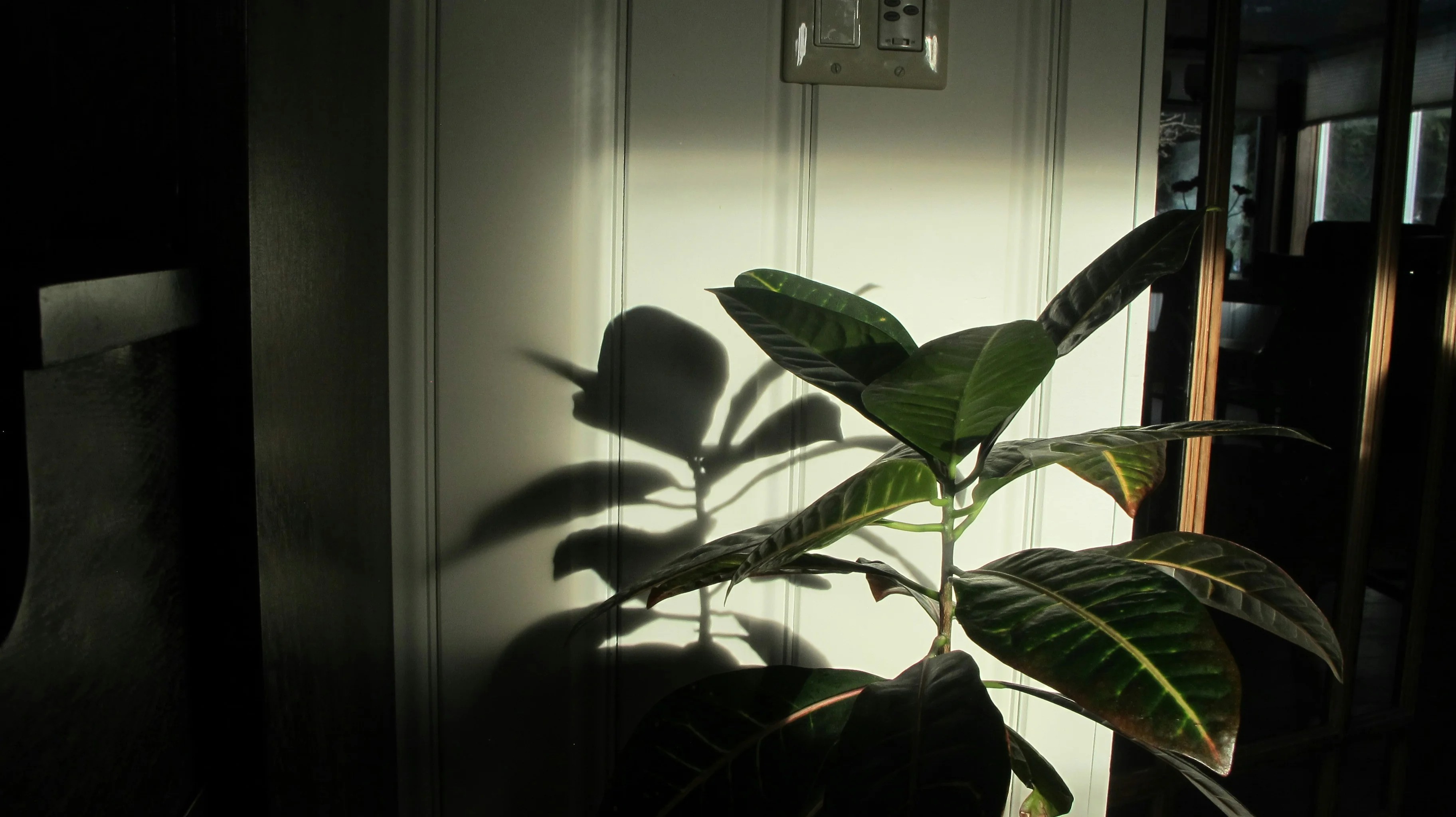
What is Bright Indirect Light for Bougainvillea?
Let's clear up a common point of confusion right away. Most gardening resources hammer home the message that bougainvillea need full, blazing sun to bloom. And for the most part, that's true—if you want a wall of electric color from spring through fall, you give them as much direct sun as possible. But experienced growers know there's a whole other side to this plant's relationship with light. Bright indirect light isn't a compromise or a consolation prize. It's a strategic tool.
So what exactly is bright indirect light? Think of it as strong, filtered sunlight that delivers high energy for photosynthesis without the intense heat and UV radiation that can stress or scorch leaves and bracts. Examples include light coming through a sheer white curtain on a south-facing window, the dappled shade under a mature tree with high canopy, or the illumination inside a greenhouse shaded with 50-70% shade cloth. It's the kind of light where you can see sharp shadows but the sun's disk is never directly visible.
For bougainvillea, bright indirect light matters in several specific situations: rooting cuttings (direct sun would wilt them in hours), acclimating nursery plants to a new environment, protecting variegated cultivars that burn easily, growing indoors where window glass already reduces intensity, and managing plants during extreme heat waves in desert or tropical climates. Many beginners assume more sun is always better, but I've seen countless otherwise healthy plants get fried during a sudden heat spike because no one provided afternoon shade. Conversely, keeping a bougainvillea in dim indoor light for months leads to a sad, leggy, non-blooming mess.
Advanced growers use bright indirect light deliberately—to slow growth for bonsai training, to deepen bract colors on certain cultivars, or to extend the growing season into late summer when midday sun is brutal. The key is understanding that light quality is not one-dimensional. You can have high photosynthetic photon flux density (PPFD) without the thermal load of direct rays.
Why It Matters for Bougainvillea
The impact of bright indirect light on bougainvillea varies dramatically depending on growth stage, cultivar, climate, and whether the plant is in a container or the ground. Let's break it down by what actually happens to the plant.
Flowering impact: This is the big one. In full sun (at least 6-8 hours of direct exposure), most bougainvillea produce abundant bracts. In bright indirect light only, you'll see a reduction—sometimes severe. However, many cultivars will still produce scattered blooms if light intensity stays above 10,000 lux for 10+ hours daily. 'Barbara Karst' and 'Rosenka' are more forgiving than 'Pink Pixie' or 'Vera Deep Purple'. In my observation, bright indirect light alone rarely triggers the explosive, synchronized bloom that full sun does, but it will maintain some color. If you're growing indoors and getting even a handful of bracts, consider that a win.
Root health impact: This is where bright indirect light shines (pun intended). In container-grown bougainvillea, dark-colored pots in full sun can heat soil to over 110°F (43°C)—that's lethal to fine feeder roots. Moving containers into bright indirect light during the hottest part of the day keeps root zones cooler and reduces water stress. In landscape settings, reflected heat from walls or pavement can cook roots near the surface; a layer of bright indirect light from a tree canopy or shade cloth prevents that.
Plant vigor and growth rate: Bougainvillea in bright indirect light grow slower but produce sturdier, darker green leaves with thinner cuticles. The slower growth means less frequent pruning and lower fertilizer needs. However, if light drops below about 5,000 lux for extended periods, internodes stretch (etiolation) and the plant becomes floppy. I've seen many indoor growers mistake low light for bright indirect light—their plants survive but never thrive.
Long-term health: There's a balance. Chronic full sun exposure in low-humidity climates can cause leaf scorch, bract bleaching, and premature leaf drop. Bright indirect light eliminates those problems. But too many months of insufficient light leads to weakened plants prone to pests like mealybugs and scale. The healthiest approach for most hobbyists in hot climates: morning full sun (until 11 AM) followed by bright indirect shade the rest of the day.
Container vs. landscape cultivation: Container plants heat up faster and dry out quicker. In Phoenix or Dubai summers, even sun-loving bougainvillea need relief. Many experienced container growers position their pots where they get direct morning sun but move into bright indirect light after noon—either by shifting pots or using shade cloth. Landscape plants in the ground have more thermal mass and deeper roots, so they tolerate more direct sun, but young transplants still benefit from bright indirect light for the first month.
Quick Facts
| Factor | Details |
|---|---|
| Recommended Light Intensity | 10,000–20,000 lux (1,000–2,000 foot-candles) for maintenance; 20,000+ lux for good blooming |
| Best Use Cases | Indoor growing, rooting cuttings, variegated cultivars, extreme heat protection, post-transplant recovery |
| Bloom Potential vs. Full Sun | 30–60% depending on cultivar and duration; 'Torch Glow' and 'Gold Rush' perform better than large-flowered hybrids |
| Leaf Health Risk | Low risk of scorch; moderate risk of etiolation if below 8,000 lux |
| Growth Rate | Slow to moderate (25–50% of full sun rate) |
| Ideal Daily Duration | 10–14 hours (can be achieved with natural light plus supplemental LEDs in winter) |
| Shade Cloth Equivalent | 50–70% density (white or aluminized for heat reflection) |
Identification and Symptoms
Reading your bougainvillea's light stress signals is a skill that separates average growers from experts. Here's what to look for.
Early signs of too much direct light (heat stress, not just light intensity): The first clue is leaf cupping—leaf margins curl upward to reduce surface area. Then you'll see bleached spots on bracts, especially on the topmost exposed ones. 'Sanderiana' and 'Purple Queen' show this as pale pink patches. In advanced cases, leaf edges turn crispy brown, starting at the tip and moving inward. This isn't a disease—it's photoinhibition combined with transpiration exceeding water uptake.
Intermediate symptoms of insufficient light: New leaves emerge smaller than normal and a deeper, dull green. Internode spacing stretches to 3-4 inches (7-10 cm) or more between leaves. Existing bracts fade and drop prematurely. The plant may produce long, thin shoots that flop over under their own weight. This is etiolation—the plant is literally reaching for light.
Advanced symptoms of chronic low light: Complete lack of flowering for more than 6 months despite normal temperatures and fertilizer. Lower leaves turn yellow and drop (not to be confused with overwatering). Thorns become soft and smaller. In extreme cases, the plant stops growing entirely and becomes a sitting target for fungus gnats and root rot because the medium stays wet longer.
Common misdiagnoses: Many growers mistake leaf scorch from too much direct sun for a fungal leaf spot. Scorch typically affects the most exposed leaves first and follows a pattern of bleached or brown edges, while fungal spots are more random and often have yellow halos. Conversely, leggy growth from low light is often blamed on insufficient fertilizer—adding nitrogen only makes it worse by driving even softer, weaker growth.
Visual clues for correct assessment: A healthy bougainvillea in appropriate bright indirect light will have medium-green leaves (not dark forest green), moderate internode spacing (1-2 inches or 2.5-5 cm), and at least a few bracts if the plant is mature. Leaf surfaces should be flat, not curled. Morning dew evaporates within an hour—if leaves stay wet longer, light is too low to drive transpiration.
Causes and Contributing Factors
Why might your bougainvillea end up in bright indirect light conditions—or need them? Understanding the causes helps you replicate or avoid them.
Environmental factors by region: In tropical climates (Florida, Hawaii, Southeast Asia), the sun is intense even in winter. Bright indirect light occurs naturally under tree canopies, on east-facing balconies, or behind lattice screens. In Mediterranean climates (California, Southern Europe), the sun angle changes dramatically with seasons—a spot that's bright indirect in summer may become direct in winter when leaves drop from deciduous trees. In temperate indoor growing, window orientation dictates everything: north-facing windows rarely exceed 5,000 lux even on clear days, while south-facing windows can blast 30,000+ lux.
Watering mistakes that compound light issues: When light is low, transpiration slows. Novice growers who water on a schedule (e.g., every Monday) instead of when the plant needs it will keep the root zone too wet. That leads to root rot, which further reduces water uptake—a death spiral. In bright indirect light, allow the top 2 inches of soil to dry before watering, which may take 10-14 days in winter.
Nutrient imbalances: High-nitrogen fertilizers (like 30-10-10) promote soft, leafy growth that requires high light to photosynthesize efficiently. In bright indirect light, that soft growth becomes lanky and prone to aphids. Use a balanced fertilizer (e.g., 10-10-10) or a bloom booster (low nitrogen, high phosphorus and potassium) when light is limited.
Seasonal influences: Winter light intensity at mid-latitudes (35-45°N) is about 30-50% of summer intensity. A bougainvillea that thrived in bright indirect light on a south windowsill in June may be in actual low light by December. Many growers supplement with LED grow lights for 4-6 hours evening to extend the photoperiod.
Container-related factors: Dark plastic or ceramic pots absorb heat. Even if the foliage is in bright indirect light, the pot in direct sun can heat soil to damaging levels. I've seen 1-gallon nursery pots hit 120°F (49°C) on a 95°F day. Use light-colored pots, double-pot with an insulating outer container, or position the pot itself in shade while the canopy gets light.
Climate extremes: In arid climates (less than 20% humidity), direct sun causes more water stress. Bright indirect light becomes essential during heat waves. In humid tropics, the main risk from direct sun is leaf burn rather than drought stress, so bright indirect light may be more about preventing scorch than conserving water.
How to Manage or Apply It
Here's a practical, step-by-step system for providing and adjusting bright indirect light for your bougainvillea, whether you're growing indoors, on a patio, or in a landscape.
- Assess your light environment accurately. Don't guess. Use a light meter or a smartphone app (I use Photone or Lux Light Meter). Hold the sensor at leaf height, facing the light source. For bright indirect light, you want readings between 10,000 and 20,000 lux for 10+ hours daily. If you don't have a meter, use the hand-shadow test: place your hand 12 inches above the leaves. A sharp shadow means high light; a fuzzy shadow is indirect; no shadow is low light.
- Position for morning sun, afternoon bright indirect shade. This is the ideal daily cycle for outdoor plants in hot climates. East-facing exposures give direct sun until about 10-11 AM, then bright indirect light thereafter. Alternatively, place plants on the north side of a white wall—the wall reflects diffuse light without heat.
- Use shade cloth strategically. For patios or greenhouses, install 50-70% white or aluminized shade cloth. White cloth reflects heat better than black. Leave an air gap of 12-18 inches between cloth and plants for airflow. I use 60% white cloth over my propagation area year-round; it's bright indirect light for cuttings and young plants.
- For indoor growing, choose the right window and add sheer curtains. A south-facing window in the Northern Hemisphere with a sheer white curtain delivers near-perfect bright indirect light. If you only have east or west windows, you'll get bright direct light for part of the day—use a movable shade or rotate the plant. North windows rarely work unless you add grow lights.
- Supplement with LED grow lights in low-light seasons. Full-spectrum LEDs (5000-6500K color temperature) placed 12-18 inches above the canopy. Run them for 12-14 hours daily. You don't need expensive "plant-specific" lights; high-lumen shop lights work fine. Aim for PPFD of 200-400 µmol/m²/s at leaf level.
- Rotate container plants weekly. Light from windows or single-direction sources creates uneven growth. Give each plant a quarter-turn every 7 days to keep it balanced. Landscape plants are less critical but still benefit from occasional pruning of one-sided growth.
- Adjust for seasonal changes monthly. In October, check light levels again. You may need to move plants closer to windows or add artificial light. In March, start transitioning back—but do it gradually over 2 weeks to avoid sunburn.
- Acclimate plants moving from low to high light. When moving a bougainvillea from bright indirect light to full sun (e.g., after winter indoors), do it in stages: 1 hour of morning sun for 3 days, then 2 hours for 3 days, then 4 hours, etc. I've seen hardened-off plants go from indoor light to full sun in 10 days without burn.
Common Mistakes
- Assuming all windows provide bright indirect light. A north-facing window in winter may only give 2,000 lux—that's low light, not bright indirect. Test with a meter before committing.
- Using dark shade cloth. Black shade cloth absorbs heat and radiates it downward, creating a hotter microclimate. White or aluminized cloth reflects heat. The difference can be 10-15°F cooler.
- Placing plants too far from the light source. Light intensity drops with the square of the distance. A plant 6 feet from a window gets only 25% of the light compared to 3 feet away. Keep bougainvillea within 2-3 feet of the glass.
- Forgetting that dirty windows block light. A layer of dust reduces transmission by 20-30%. Clean indoor and outdoor windows twice a year.
- Moving plants abruptly between light conditions. Going from bright indirect light indoors to full sun outdoors without acclimation causes leaf sunburn in hours. The white or brown patches won't heal—you have to wait for new growth.
- Overwatering in bright indirect light. Because transpiration is lower, soil stays wet longer. Many growers kill plants with kindness. Check soil moisture with your finger or a skewer before watering.
- Expecting full bloom from all cultivars in bright indirect light. Some varieties, like 'California Gold' and 'Crimson Jewel', simply refuse to produce more than a few bracts without several hours of direct sun. Know your cultivar's reputation.
- Leaving grow lights on 24/7. Bougainvillea need a dark period to respire and set buds. 14-16 hours of light maximum. Continuous light stresses the plant and can cause leaf chlorosis.
Expert Tips from Experienced Growers
After two decades of growing bougainvillea in both tropical (Miami) and Mediterranean (San Diego) climates, here are the observations I've collected that you won't find in generic care guides.
Tropical climate considerations: In high humidity, the risk of sunscald is actually lower because leaf temperature stays closer to air temperature through evaporative cooling. However, the combination of intense UV and afternoon rain showers can cause rapid fungal growth on stressed leaves. I recommend bright indirect light from 11 AM to 3 PM in tropical lowlands—use lath houses or shade cloth over valuable specimens.
High heat management: When temperatures exceed 100°F (38°C), photosynthetic machinery shuts down regardless of light. The plant enters survival mode. During heat waves, move container plants into full bright indirect light (e.g., under a patio cover) for the duration. You won't lose bloom potential because the plant isn't producing new bracts in extreme heat anyway.
Monsoon season considerations: In Arizona and New Mexico, the summer monsoon brings cloud cover and high humidity. The light becomes naturally diffused—effectively bright indirect light for days at a time. This is actually beneficial, as it gives plants a rest from harsh desert sun. Don't try to supplement with artificial light; let nature do its thing.
Winter dormancy: In cooler climates (USDA zones 9-10), bougainvillea slow down in winter. They need less light—bright indirect light for 6-8 hours is sufficient to maintain health without encouraging tender new growth that frost would kill. I move my overwintering plants to an east-facing window and stop fertilizing from November to February.
Container growing observations: White or silver pots are not just aesthetic. They reflect light onto the lower canopy, effectively increasing the light available to interior leaves. I've measured a 15% increase in lower leaf light levels with white pots versus terra cotta. For variegated cultivars, this extra reflected light helps prevent reversion to all-green shoots.
Nursery production secrets: Large-scale growers use movable shade curtains to fine-tune light daily. On cloudy days, curtains open fully. On bright days, they close to 50%. You can replicate this on a small scale with adjustable shade cloth or by moving plants. Also, many collectors place their bougainvillea under citrus trees—the dappled light is perfect bright indirect light, and the citrus roots don't compete heavily.
Collector-level technique: For intense bract coloration without sun damage, try "light layering." Place the plant in full morning sun (direct), then move it to bright indirect light (under 60% shade cloth) from 11 AM onward. This gives you the photoperiodic trigger of morning sun and the protection of afternoon shade. Bract colors stay vivid—especially reds and oranges—without fading to pastels.
Troubleshooting Guide
| Problem | Likely Cause | Solution |
|---|---|---|
| Leaves turn yellow and drop; no new growth | Light below 5,000 lux for weeks; plant is in survival mode | Move to brighter location or add LED grow lights (12-14 hrs/day). Check soil moisture—likely too wet as well. |
| Long, thin stems with widely spaced leaves | Etiolation from insufficient light (5,000-8,000 lux range) | Increase light intensity to 10,000+ lux. Prune back leggy stems to 2-3 nodes to encourage bushy regrowth. |
| No blooms for 12+ months despite good foliage | Light too low to trigger flowering; or excess nitrogen | Provide at least 6 hours of direct morning sun or 10,000+ lux bright indirect for 14 hours. Switch to low-nitrogen fertilizer (2-10-10). |
| Brown, crispy leaf edges; bleached spots on bracts | Too much direct sun combined with low humidity or heat stress | Move to bright indirect light during midday. Mist leaves in morning (in dry climates). No need to remove damaged leaves unless severe. |
| Leaves stay wet for hours after watering; fungus gnats appear | Low light slows transpiration; soil stays saturated | Reduce watering frequency. Improve air circulation with a small fan. Repot in well-draining mix (50% perlite/pumice). |
| Variegated leaves turning solid green on new growth | Insufficient light causes reversion to all-green (more chlorophyll) | Increase light intensity. Prune out all-green shoots immediately—they are more vigorous and will take over. |
| Bracts fade from deep purple to pale lavender within days | UV radiation bleaching; common in high-altitude or tropical sun | Provide bright indirect light with UV-blocking shade cloth. Some fading is natural as bracts age, but rapid fading is light stress. |
| Plant grows toward one side only | Light source is directional (window, single lamp) | Rotate container 90 degrees weekly. For landscape plants, prune the shaded side to balance shape. |
Frequently Asked Questions
Can bougainvillea grow indoors in bright indirect light?
Yes, but with realistic expectations. They won't flower as heavily as outdoor plants, but they can survive and produce scattered blooms if you provide at least 12 hours of 10,000+ lux daily. The best indoor performers are compact cultivars like 'Rosenka', 'Pixie', and 'Torch Glow'. Use a south or west window with a sheer curtain, and supplement with LED grow lights in winter. Expect slower growth and fewer bracts, but it's doable.
How long can a bougainvillea survive in bright indirect light without direct sun?
Indefinitely, if the intensity stays above 8,000 lux. Many growers keep bougainvillea alive for years under bright indirect light (e.g., in atriums or screened patios). However, flowering will diminish over time. After about 6-8 months without any direct sun, the plant may stop blooming entirely. To reinvigorate, give it a few hours of morning direct sun for 2-3 weeks.
What's the minimum light intensity for bougainvillea to bloom?
From my experience and discussions with other growers, the threshold is around 12,000 lux (about 1,200 foot-candles) for at least 10 hours daily. Below that, you might see an occasional bract but not a show. Some cultivars like 'Barbara Karst' can bloom at 10,000 lux, but 'Vera Deep Purple' needs 20,000+ lux. If you're serious about indoor blooming, measure with a light meter—otherwise you're guessing.
Does bright indirect light mean the same as "shade"?
No, and this confusion kills a lot of plants. Deep shade (under a dense tree or on a north-facing porch) is often below 2,000 lux—that's too dark for bougainvillea. Bright indirect light is still bright—it should feel like standing under a clear sky on a cloudy day, or under a 50% shade cloth. If you need to turn on a reading light to see the plant clearly, it's not bright indirect light.
Can I suddenly move my bougainvillea from full sun to bright indirect light?
Yes, and unlike the reverse move, this won't shock the plant. Bougainvillea adapt quickly to lower light. You might see a temporary slowdown in growth, but no leaf damage. In fact, moving a sun-stressed plant into bright indirect light is a common rescue technique. However, don't then move it back to full sun suddenly—that's when you need to acclimate.
Do different bract colors have different light needs?
Generally, red and orange bracts are the most light-tolerant—they can handle full sun with less fading. Purple, pink, and white bracts are more prone to bleaching. Variegated cultivars (with white-and-green or gold-and-green leaves) need the most protection; they often scorch in afternoon sun and thrive in bright indirect light. Yellow bracts like 'Golden Jackpot' are in between.
How do I measure light levels without buying a meter?
Use the hand-shadow test I mentioned earlier, but for more precision, try the "newspaper test." Hold a newspaper page at leaf height. If you can read the headline easily but the paper casts a soft shadow, that's bright indirect light (~10,000 lux). If you can barely read it, light is too low. If the paper is uncomfortably bright and casts a sharp shadow, that's direct sun. Also, many smartphone light meter apps are surprisingly accurate (±15%) when calibrated to your phone's sensor.
Should I use grow lights for bougainvillea in bright indirect light?
If your natural bright indirect light comes from a window that only gets 6-8 hours of effective brightness (common in winter), then yes, supplement with LEDs to reach 12-14 total hours. Use full-spectrum (5000-6500K) and place them 12-18 inches above the canopy. You don't need expensive "bloom" lights; high-lumen shop lights work. Run them on a timer. Your plant will thank you with more bracts and tighter growth.
Related Bougainvillea Topics
- Full Sun Requirements for Bougainvillea
- Shade Cloth Guide: Density, Colors, and Installation
- Complete Indoor Bougainvillea Care
- Propagation from Stem Cuttings: Light and Humidity
- Preventing Leaf Scorch in Hot Climates
- Winter Light Management for Dormant Bougainvillea
- Choosing and Using Grow Lights
- Special Care for Variegated Bougainvillea Cultivars
Summary
Bright indirect light isn't the ideal long-term condition for maximum bougainvillea blooming, but it's an essential tool in every serious grower's kit. Use it for rooting cuttings, protecting variegated cultivars, managing heat stress, and growing indoors. The key is intensity—don't confuse bright indirect with low light. Aim for 10,000-20,000 lux measured at leaf height, and maintain that for 10-14 hours daily.
My recommendation for most home growers in warm climates: give your bougainvillea direct morning sun (east-facing exposure) until 11 AM, then ensure the afternoon brings bright indirect light. This combination gives you the best of both worlds—high light for flowering and protection from scorching heat. If you're growing completely indoors, accept that you'll see fewer blooms, but choose compact, forgiving cultivars and supplement with LEDs.
Remember: watch your plant, not the calendar. Leaf color, internode spacing, and bract production will tell you if your light is correct. When in doubt, use a light meter—it's the single best investment you can make for understanding your growing environment. And never be afraid to move a plant that's struggling; bougainvillea are resilient and will reward thoughtful adjustments with months of brilliant color.
Related Plants
Plant Guide
'Singapore Pink'
Singapore Pink is a dwarf, compact bougainvillea cultivar known for its delicate pink bracts and nearly thornless growth habit. Perfect for container gardening, balconies, hanging baskets, and indoor growing.
Plant Guide
3 Star
This 3 Star bougainvillea is valued for its bright pink to magenta bracts and its vigorous climber with strong repeat bloom. In warm tropical and subtropical gardens, it performs as a resilient ornamental climber that rewards full sun, sharp drainage, and a restrained feeding regime with long flushes of colour.
Plant Guide
'Barbara Karst'
Bougainvillea 'Barbara Karst' is a vigorous, popular cultivar prized for its brilliant magenta-red bracts and prolific, nearly year-round blooming habit. One of the hardiest bougainvilleas, it thrives in hot, full-sun gardens, on fences and trellises, and in large containers across tropical and subtropical climates.
Plant Guide
Duck Feet
Bougainvillea 'Duck Feet' is a rare compact cultivar prized for its distinctive lobed leaves resembling duck feet and bright pink-magenta bracts. Ideal for containers, balconies, and small gardens where foliage interest matters as much as flower colour.
Plant Guide
Formosa
Bougainvillea 'Formosa' is a vigorous magenta-purple cultivar prized for its large, showy bracts and lush tropical foliage. A classic landscape climber that rewards full sun, sharp drainage, and restrained feeding with spectacular colour displays.
Plant Guide
Moon Light Yellow
This Moon Light Yellow bougainvillea is valued for its golden yellow to creamy yellow bracts and its sun-loving climber that shows best colour in bright, hot exposure. In warm tropical and subtropical gardens, it performs as a resilient ornamental climber that rewards full sun, sharp drainage, and a restrained feeding regime with long flushes of colour.
Related Articles
Guide
Bougainvillea Growing Guide: Sun, Soil, Pruning, and Climate
Complete bougainvillea growing guide for tropical, subtropical, and Mediterranean climates. Learn sunlight, soil mix, pruning, and seasonal care for dwarf balcony pots to large wall climbers.
Guide
How to Propagate Bougainvillea From Cuttings (Global Guide)
Step-by-step global guide to propagate bougainvillea from cuttings. Compare soil vs water rooting, best warm-season timing, rooting hormone use, and aftercare for high success.
Guide
Bougainvillea Bonsai: Complete Beginner's Guide to Growing, Styling, and Caring
Bougainvillea makes a spectacular bonsai — fast-growing, drought-tolerant, and capable of producing vivid bracts even in a tiny pot. This guide covers species selection, soil, root pruning, wire training, and seasonal care for Indian conditions.
Guide
Top 10 Bougainvillea Varieties for Indian Gardens — With Where to Buy Guide
The 10 best bougainvillea varieties for Indian gardens, ranked by performance in heat, humidity, and monsoon conditions. Includes care level, bloom frequency, pot suitability, and where to source each variety in India.
Guide
Basic Bougainvillea Care: Complete Global Guide for Vibrant Blooms
Complete global guide to basic bougainvillea care: sunlight (6–8 hours), dry-down watering, pruning for blooms, low-nitrogen fertilizer, and troubleshooting common problems.
Guide
How to Water Bougainvillea Without Killing the Bloom Cycle (Global Guide)
Master bougainvillea watering worldwide: use the dry-down method to prevent root rot, trigger heavy blooming, and adjust for pots, ground, and all climates.
Related Calculators & Tools
Calculator
Bougainvillea Potting Mix Calculator
Calculate the exact volumes of perlite, compost, and soil for a fast-draining Bougainvillea mix.
Calculator
Bougainvillea Grow Bag Size Calculator
Calculate the ideal fabric grow bag volume for massive Bougainvillea growth.
Calculator
Bougainvillea Heat Stress & Watering Calculator
Diagnose heat stress in potted Bougainvilleas during extreme summer weather.
Calculator
Bougainvillea Neem Oil & Pest Calculator
Calculate precise neem oil dilutions to eradicate Bougainvillea Loopers and aphids.
Calculator
Bougainvillea Soil pH Calculator
Calculate amendments to reach the ideal 5.5 - 6.5 pH for Bougainvillea nutrient uptake.
Calculator
Bougainvillea Compost Top-Dressing Calculator
Calculate precise compost volumes to naturally amend your Bougainvillea garden beds.