Cold Damage
Recognize, treat, and prevent cold damage on bougainvillea: frost protection, recovery pruning, and cultivar cold tolerance.
What is Cold Damage on Bougainvillea?
Let me be direct: bougainvillea are tropical and subtropical plants. They do not like cold. I've seen heartbreaking photos of once-magnificent twenty-year-old specimens reduced to blackened, leafless sticks after an unexpected frost. Cold damage isn't just cosmetic—it kills cells, ruptures membranes, and can destroy the plant's vascular system. But here's what many growers get wrong: they assume any cold exposure means the plant is dead. That's often not true. Bougainvillea can be remarkably resilient if you know what to look for and how to respond.
Cold damage occurs when temperatures drop below a bougainvillea's tolerance threshold, causing ice crystals to form inside plant tissues. The severity depends on three factors: how low the temperature goes, how long it stays cold, and the plant's conditioning (acclimated plants handle light frost better than those still in active growth). At 32°F (0°C), frost begins to form. At 28°F (-2°C) for more than a few hours, most bougainvillea sustain significant damage. At 25°F (-4°C) or lower, many cultivars die back to the ground—or die entirely.
For beginners, the most important concept is that bougainvillea are not like deciduous trees that go dormant and shrug off winter. They are evergreen in frost-free climates. When cold hits, they don't have a survival mechanism other than dropping leaves and hoping the roots and main stems survive. For advanced growers, understanding microclimates, root protection, and cultivar selection becomes the difference between losing plants and overwintering them successfully.
One more thing: wind makes cold damage worse. A still night at 30°F might cause minor leaf burn. The same temperature with 10 mph wind can kill branches because wind strips away the boundary layer of warmer air around leaves. Always factor in wind chill for plants.
Why Cold Damage Matters for Bougainvillea
The impact of cold on bougainvillea isn't just about losing leaves—it affects every aspect of the plant's health and future performance.
Flowering impact: A plant that suffers even mild cold damage (just leaf browning) will delay flowering for weeks or months. The plant needs time to regrow foliage before it can produce bracts. Severe cold damage that kills branches means no flowers on those branches until they regrow—which can take a full growing season. In marginal climates (USDA zone 9b), many bougainvillea flower beautifully in summer, then get hit by a light frost in December and don't bloom again until late spring.
Root health: Roots are more cold-sensitive than stems. Soil temperature drops more slowly than air temperature, but prolonged cold (several days below 40°F/4°C) can damage or kill roots, especially in containers. Dead roots rot, which can spread to healthy tissue. I've seen many growers lose plants not to the initial frost, but to root rot two months later when the damaged roots couldn't handle spring watering.
Plant vigor and growth rate: After cold damage, bougainvillea redirect energy to repair and regrow. This takes away from overall vigor. A plant that lost 50% of its canopy may take two years to fully recover its size. In nursery production, cold-damaged stock is often culled because it never regains the symmetrical shape and bloom potential of undamaged plants.
Long-term health: Repeated annual cold damage weakens bougainvillea. The plant becomes more susceptible to pests (scale, mealybugs) and diseases (fungal cankers entering through frost cracks). I've tracked plants in zone 9b gardens: those that get frosted back every other year rarely live beyond 5-7 years, while protected plants can thrive for decades.
Container vs. landscape cultivation: Container plants are much more vulnerable to cold. Roots in pots have no ground insulation. A pot that freezes solid kills the plant. In the ground, soil temperature stays warmer longer. A landscape bougainvillea might survive 25°F with mulching; the same plant in a pot on a patio would die at 28°F. Conversely, container plants can be moved indoors, giving them an advantage for protection.
Quick Facts: Cold Damage on Bougainvillea
| Factor | Details |
|---|---|
| Critical Temperature (air) | Leaf damage: 32°F (0°C); stem dieback: 28°F (-2°C); probable death: 25°F (-4°C) or lower |
| Critical Temperature (roots in pots) | 28°F (-2°C) for 2+ hours causes root death in most containers |
| Most Cold-Tolerant Cultivars | 'Barbara Karst', 'San Diego Red', 'Texas Dawn', 'Torch Glow' (survive to 25°F with protection) |
| Least Cold-Tolerant | 'Rosenka', 'Pink Pixie', 'Vera Deep Purple', variegated forms (damage at 30-32°F) |
| Recovery Time (minor damage) | 4-8 weeks to releaf, 2-4 months to bloom again |
| Recovery Time (major dieback) | 3-6 months to regrow, may skip a full blooming season |
| Protection Methods (most effective) | Move containers indoors/garage; cover with frost cloth; heat cables; mulch roots heavily |
| USDA Zone Recommendation | Zone 9b and above for in-ground without protection; zone 8b with protection; below 8b, container only |
Identification and Symptoms of Cold Damage
Cold damage looks different depending on severity and how soon after the cold event you examine the plant. Here's what to look for, hour by hour and day by day.
Immediate signs (within 24 hours): Leaves appear water-soaked, limp, and dark green. Bracts wilt and lose color. Young shoots droop like they've been boiled. This is cell damage from ice formation. At this stage, it's not always fatal—some cells recover if the thaw is gradual. Do not prune yet.
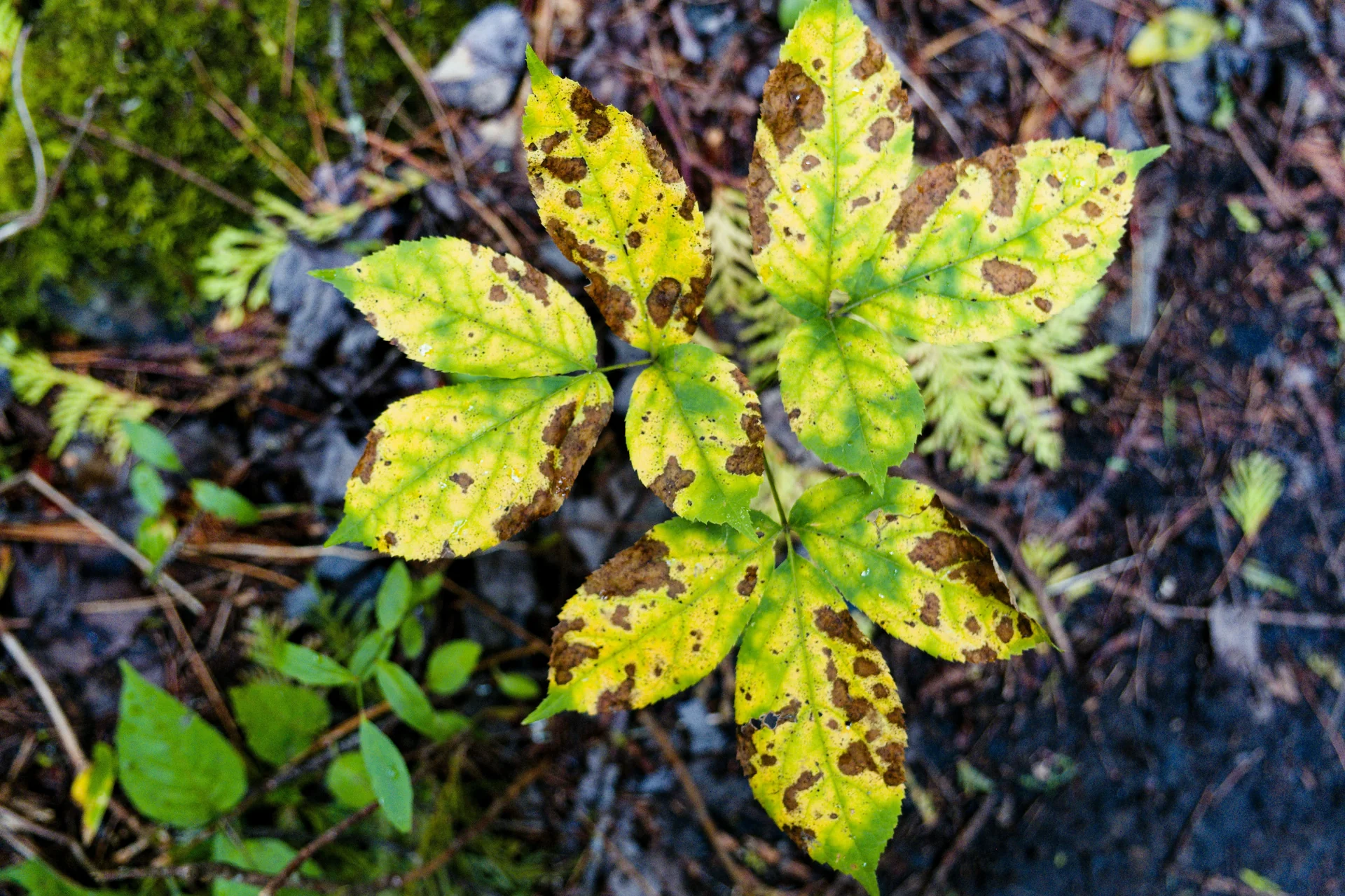
Early signs (2-5 days after cold): The true extent reveals itself. Damaged leaves turn black, brown, or bronze. They become dry and crispy (if frozen in dry air) or mushy and slimy (if frozen in humid conditions). Leaves curl downward. Stems may show dark streaks or patches. On bracts, dark water-soaked spots spread from the edges inward.
Intermediate symptoms (1-2 weeks): Affected leaves drop en masse. This is normal—the plant is shedding dead tissue. Stems that are dead will turn dark brown or black and feel hollow or brittle. Scratch the bark with your thumbnail: green tissue underneath means alive; brown or white means dead. Live stems may have blackened leaf scars but green bark between nodes.
Advanced symptoms (3-6 weeks): Dead stems show no new growth. The plant may resprout from the base or from lower branches. Roots, if killed, turn black and slimy; the plant will not regrow. Cankers may form at the boundary between live and dead tissue. In some cases, fungal pathogens invade frost-cracked bark.
Common misdiagnoses: New growers often mistake cold damage for dehydration or nutrient burn. The pattern helps: cold damage affects the entire exposed canopy uniformly after a known frost event. Dehydration causes wilting but not blackening; nutrient burn causes tip burn but not whole-leaf death. Also, cold damage on stems causes longitudinal cracking, not just leaf symptoms.
Visual clues for accurate assessment: Check the lowest leaves first—they're often less damaged because cold air settles near the ground? Actually, cold air pools at ground level, so lower leaves and the base of the plant can be colder than upper leaves. But in radiation frost (clear, calm night), the coldest air is at the surface. So both top and bottom may be affected. The most protected part is often the interior canopy near the main trunk. Use a fingernail scratch test on several branches at different heights to map survival.
Causes and Contributing Factors
Understanding why cold damage occurs—and why it's worse in some situations—helps you prevent it.
Environmental factors: Two types of cold events affect bougainvillea. Radiation frost: clear, calm nights with cold air pooling in low spots. This is common in inland valleys. Advective frost: cold air mass moving in with wind, often accompanying storms. Advective frost is harder to protect against because wind defeats covers. Also, microclimates matter: south-facing walls retain heat and can keep plants 5-10°F warmer. North-facing slopes are death traps.
Watering mistakes before cold: Wet soil holds more heat than dry soil. A well-watered plant before a frost can tolerate slightly lower temperatures because the root zone stays warmer. But waterlogged soil right before a freeze is bad because saturated roots are more prone to ice damage. The sweet spot: water deeply 2-3 days before a predicted frost, then let the surface dry.
Nutrient issues: Late-season nitrogen fertilization (after August in temperate climates) pushes soft, tender growth that is highly susceptible to frost. That new growth will die at 32°F while older, hardened growth might survive to 28°F. Stop fertilizing at least 6 weeks before your average first frost date.
Seasonal influences: A sudden cold snap in early fall (October in zone 8) is more damaging than the same temperature in mid-winter. In fall, plants haven't acclimated—they're still in active growth. In winter, they're semi-dormant and more tolerant. Conversely, a late spring frost after plants have broken dormancy can be devastating because new growth is extremely tender.
Container-related factors: Pots freeze from the outside in. Small pots (1 gallon or less) can freeze solid in a few hours at 28°F. Dark pots absorb daytime heat but radiate it away quickly at night. Plastic pots insulate slightly better than clay. Elevating pots off cold concrete helps. Grouping pots together creates a shared microclimate.
Climate and region specifics: In humid climates (Southeast US), frost damage is often less severe because humidity releases latent heat as water vapor condenses. In dry climates (Southwest), radiation frost is more severe because dry air cools faster. Coastal areas have milder winters due to ocean moderation. Inland deserts have extreme cold nights even if days are warm.
How to Manage and Treat Cold Damage
Here's a step-by-step protocol for what to do before, during, and after a cold event. I've used this for decades across thousands of plants.
- Monitor weather forecasts religiously from October through April. In cold climates, know your average first and last frost dates. When temperatures are predicted below 40°F (4°C), prepare. Below 35°F (2°C), take action.
- Before a freeze: water deeply 2-3 days in advance. Moist soil holds heat. Do not water if the freeze is imminent (within 12 hours) unless the soil is bone dry—wet leaves freeze faster.
- Move container plants indoors or into a garage. This is the single best protection. A garage stays above freezing even if unheated. If moving indoors, choose a cool room (45-55°F ideal) with bright indirect light. Don't put them in a dark closet—they'll drop leaves from lack of light, which adds stress.
- For landscape plants that can't be moved, cover them properly. Use frost cloth (floating row cover) or old bedsheets. Do not use plastic—plastic transfers cold directly to leaves where it touches. Drape the cover to the ground to trap radiant heat. Use stakes to keep fabric off the foliage. Secure with bricks or clips. Remove covers when temperature rises above 40°F during the day.
- Add supplemental heat for valuable specimens. String outdoor-rated Christmas lights (incandescent, not LED) under the frost cloth. One 100-bulb strand raises temperature by 2-5°F. For extreme cold, use a small space heater in a well-ventilated way (fire hazard warning). Heat cables designed for pipes can be wrapped around pots.
- Mulch heavily around the root zone. Apply 4-6 inches of straw, bark, or leaves. Mulch insulates roots and keeps soil temperature more stable. For container plants, wrap pots in bubble wrap or burlap.
- After a freeze: do NOT prune immediately. This is the most common mistake. Dead tissue may look ugly, but it protects living tissue below. Wait 2-4 weeks to see where new growth emerges. Pruning too early can remove live wood that would have leafed out.
- Assess damage after 2-4 weeks. Use the scratch test. Start at branch tips and work downward. When you find green cambium, stop—everything above that is dead. Prune dead wood back to the first live bud or to the main branch junction. Make clean cuts with sharp, sterilized pruners.
- After pruning, water sparingly. Damaged roots cannot take up much water. Overwatering leads to rot. Water only when the top 3 inches of soil are dry. Do not fertilize until you see vigorous new growth (usually 4-8 weeks).
- Fertilize only when the plant has fully releafed. Use a balanced, half-strength fertilizer. High nitrogen too soon pushes tender growth that another late frost could kill.
Common Mistakes with Cold Damage
- Using plastic sheeting as a cover. Plastic kills plants. It transfers cold, traps moisture, and causes rot. Use breathable frost cloth or fabric.
- Pruning immediately after a freeze. You'll cut off live wood that might have recovered. Wait until you see where new growth emerges.
- Fertilizing to "help recovery." Cold-damaged roots can't absorb fertilizer. Fertilizer salts burn stressed roots. Wait for new growth.
- Overwatering after a freeze. The plant has fewer leaves to transpire water. Wet, cold soil breeds root rot. Water only when dry.
- Leaving dead wood for too long. While waiting to prune is good, don't wait forever. Dead wood can harbor pests and diseases. After 6-8 weeks with no growth, prune back to live tissue.
- Planting cold-sensitive cultivars in marginal zones. Just because 'Barbara Karst' can survive zone 8b doesn't mean 'Rosenka' will. Know your cultivar's reputation.
- Ignoring root protection for container plants. Wrapping the canopy but not the pot leaves roots exposed. Roots are more cold-sensitive than stems.
- Assuming all brown leaves mean the plant is dead. Many bougainvillea lose all leaves but regrow from stems or roots. Give them until late spring before giving up.
Expert Tips from Experienced Growers
Here's what I've learned from growing bougainvillea in zone 8b (Atlanta) and zone 9b (Southern California), plus talking to growers in Texas, Florida, and the Mediterranean.
Tropical climate considerations: In true tropics (zone 11+), cold damage isn't an issue. But even there, a rare cold snap can occur. In Florida's 2010 freeze, many bougainvillea died back. The survivors were those planted against south-facing walls and mulched heavily. Tropical growers often neglect cold protection because they never need it—until they do.
High desert (Arizona, New Mexico): Cold nights are common even after warm days. The key is to plant on the south or west side of structures. Use radiant heat from walls. Also, avoid pruning in fall; let the plant keep its leaves as insulation. Water deeply before expected frosts.
Mediterranean climates (California, coastal Australia): Frost is rare but can occur in inland valleys. The biggest risk is advective frosts that bring cold air from the interior. Cover plants even if the forecast seems marginal. I've seen beautiful Santa Barbara gardens lose plants to a single freak 25°F night.
Container growing observations: For potted bougainvillea, the best protection is to move them into an unheated garage or shed. No light is needed for short periods (up to a week). The cool, dark, stable temperature keeps them dormant. When you bring them out, do it gradually over a week—morning sun only at first.
Nursery secrets: Commercial growers in cold climates keep "mother plants" in heated greenhouses and grow annual crops from cuttings. They don't try to overwinter large landscape plants outdoors. For home growers, consider taking cuttings in late summer as insurance. Root them indoors, and if your main plant dies, you have backups.
Collector-level technique: For irreplaceable cultivars, use a two-layer protection system. First, wrap the pot with heat tape or a seedling heat mat set to 50°F. Second, cover the entire plant with frost cloth. Third, string incandescent Christmas lights under the cloth. This setup can keep a plant alive at 20°F outdoors.
Cultivar-specific cold tolerance: From my trials and network reports: 'Barbara Karst' is the cold champion (survives 25°F with protection). 'San Diego Red' and 'Texas Dawn' are close seconds. 'Torch Glow' is surprisingly hardy for a dwarf. Among large-flowered hybrids, 'Crimson Jewel' handles cold better than most. Avoid 'Rosenka', 'Pink Pixie', 'Vera Deep Purple', and any variegated forms in marginal zones—they're frost magnets.
Troubleshooting Guide
| Problem | Likely Cause | Solution |
|---|---|---|
| Leaves turned black and mushy within 24 hours of cold | Freezing of cell sap; tissue is dead | Do nothing for 2 weeks. Then scratch test. Remove dead leaves but leave stems until new growth appears. |
| All leaves dropped, stems look dead | Moderate to severe freeze; stems may still be alive | Scratch bark in 2-4 weeks. If green, water sparingly and wait. If brown, prune back to green tissue or to ground. |
| New growth emerges from base only, top is dead | Roots and crown survived; upper stems killed | Prune dead upper growth back to the base. Allow basal shoots to grow; train one as new main trunk. |
| Plant has black streaks on bark, leaves wilted but not frozen | Frost canker—fungal infection entering frost-damaged bark | Prune affected branches 6 inches below visible canker. Disinfect pruners between cuts. Apply copper fungicide as preventive. |
| No new growth after 8 weeks in spring | Whole plant dead, or roots dead but stems green | Check roots: if black and slimy, discard. If white but no top growth, wait longer—some plants take 3 months. If no growth by June, replace. |
| Leaves yellow and drop 2 weeks after a mild frost | Normal response to cold stress; not fatal | Continue normal care. New leaves will emerge in 4-6 weeks if temperatures warm. |
| Container plant soil froze solid | Pot too small or not insulated | Thaw slowly (do not apply heat directly). Roots may be dead. Scratch roots in 2 weeks. If dead, discard plant. |
| Plant survived but no flowers for a year | Cold damage disrupted flowering physiology | Be patient. Give full sun, low-nitrogen fertilizer, and normal care. Bloom will return the following season. |
Frequently Asked Questions
Can bougainvillea survive a freeze?
Yes, but it depends on the severity. A light frost (30-32°F for a few hours) usually kills leaves and young stems, but the plant regrows in spring. A hard freeze (25°F or lower for more than 4 hours) often kills the plant to the ground, but roots may survive. Below 20°F, survival is rare even with protection. Many growers have seen plants come back after being frozen to the ground—but not all.
Should I cut back my bougainvillea after a frost?
Not immediately. Wait 2-4 weeks until you see where new growth emerges. Then prune dead wood back to live tissue. Pruning too early removes stems that might have leafed out. The only exception: if stems are black and oozing (sign of bacterial infection), remove them immediately.
What temperature is too cold for bougainvillea?
Any temperature below 40°F (4°C) risks some damage to tender growth. Below 32°F (0°C), expect leaf and bract damage. Below 28°F (-2°C), expect stem dieback. Below 25°F (-4°C), expect severe damage or death. However, duration matters: 31°F for an hour at sunrise is less damaging than 28°F for 8 hours overnight.
Can I leave my potted bougainvillea outside in winter?
In USDA zones 9b and above, yes, with protection on cold nights. In zone 9a, bring pots indoors or into a garage for the coldest months. In zone 8 and below, treat bougainvillea as annuals outdoors or keep them in containers and move them indoors from October to April. Potted plants cannot survive freezing soil.
What's the best frost cloth for bougainvillea?
Use professional-grade floating row cover (frost blanket) rated for 4-8°F of protection. Look for weight of 1.0-1.5 oz/sq yd. Avoid thin painter's plastic or trash bags. Brands like Gro-Therm or Planket work well. For one or two plants, old cotton sheets or moving blankets are fine. Do not use plastic.
Will bougainvillea grow back after freezing?
Often yes, if the roots survived. Cut the dead stems back to ground level in spring. New shoots will emerge from the root crown. However, the regrown plant may be a different shape and may not bloom the first season. Some cultivars are more reliable for regrowth than others. 'Barbara Karst' is a reliable resprouter; 'Rosenka' often dies outright.
How do I protect bougainvillea from frost without covering?
If covering isn't possible, use these methods: 1) Plant against a south-facing wall that absorbs daytime heat and radiates it at night. 2) Water deeply before frost (moist soil holds heat). 3) Use a thick layer of mulch over roots. 4) For containers, wrap pots in bubble wrap and move them under an overhang or eaves. But covers are still the most effective.
Can I use a space heater to protect outdoor bougainvillea?
Yes, but with extreme caution. Use outdoor-rated heaters designed for greenhouses or construction sites. Keep them away from dry leaves and covers. Never use propane or kerosene heaters under covers (carbon monoxide and fire risk). Electric radiant heaters or heat lamps are safer. For most home growers, Christmas lights under frost cloth are sufficient and much safer.
Related Bougainvillea Topics
- Complete Frost Protection Guide for Bougainvillea
- Cold-Hardy Bougainvillea Cultivars for Zone 8-9
- Overwintering Bougainvillea Indoors and in Garages
- Spring Recovery: Bringing Bougainvillea Back After Freeze
- Root Protection for Container Bougainvillea in Winter
- Using Microclimates to Extend Bougainvillea Range
- Pruning Cold-Damaged Bougainvillea: Step by Step
- Understanding Winter Dormancy vs. Cold Damage
Summary
Cold damage is the single biggest limiting factor for bougainvillea growers outside the tropics. The key to success is prevention: know your frost dates, monitor weather, move containers indoors, cover in-ground plants properly, and mulch roots. When damage occurs, patience is your greatest tool. Do not prune immediately. Do not fertilize. Do not overwater. Wait 2-4 weeks, assess with the scratch test, then prune dead wood back to live tissue.
For growers in marginal climates (zones 8b-9a), choose cold-tolerant cultivars like 'Barbara Karst' or 'San Diego Red'. Accept that some winter damage is inevitable and plan for recovery in spring. Consider growing bougainvillea in containers so you can move them to shelter. And always take cuttings in late summer as insurance—you can root them indoors and have replacements if your main plant doesn't survive.
The most important lesson I've learned: a bougainvillea that looks dead after a freeze often isn't. I've seen plants that were bare, black sticks in March put out vigorous growth in May and bloom by July. Give them time, give them warmth, and give them the chance to surprise you. But also know when to let go—if there's no sign of life by late spring, replace it with a hardier cultivar or a better-protected location. With the right strategies, you can enjoy bougainvillea even in climates where winter tries to take them away.
Related Plants
Plant Guide
Duck Feet
Bougainvillea 'Duck Feet' is a rare compact cultivar prized for its distinctive lobed leaves resembling duck feet and bright pink-magenta bracts. Ideal for containers, balconies, and small gardens where foliage interest matters as much as flower colour.
Plant Guide
3 Star
This 3 Star bougainvillea is valued for its bright pink to magenta bracts and its vigorous climber with strong repeat bloom. In warm tropical and subtropical gardens, it performs as a resilient ornamental climber that rewards full sun, sharp drainage, and a restrained feeding regime with long flushes of colour.
Plant Guide
'Adarna' (Shikendari)
Bougainvillea 'Adarna' (Shikendari) is a rare collector's cultivar prized for its spectacular multicoloured bracts that shift between yellow, orange, and deep pink-magenta. A prolific bloomer for hot, full-sun gardens, fences, and large containers across tropical India.
Plant Guide
Adas Joy
Bougainvillea 'Ada's Joy' is a striking peach-pink cultivar prized for its soft warm bracts and elegant elongated growth. Reportedly mutated in Xiamen at Mr. Hongwei Yu's garden, it rewards full sun, sharp drainage, and lean feeding with long flushes of colour in tropical and subtropical gardens.
Plant Guide
'Barbara Karst'
Bougainvillea 'Barbara Karst' is a vigorous, popular cultivar prized for its brilliant magenta-red bracts and prolific, nearly year-round blooming habit. One of the hardiest bougainvilleas, it thrives in hot, full-sun gardens, on fences and trellises, and in large containers across tropical and subtropical climates.
Plant Guide
Begum Sikander
Bougainvillea 'Begum Sikander' is a striking magenta-purple cultivar known for its lush tropical foliage and vibrant bracts. A regal ornamental climber that rewards full sun, sharp drainage, and lean feeding with spectacular colour displays in tropical and subtropical gardens.
Related Articles
Guide
Why Your Bougainvillea is Dropping Leaves (And How to Save It)
Bougainvillea leaf drop is usually a stress signal, not a death sentence. This guide explains the most common causes, how to diagnose them quickly, and the exact steps to restore growth before the plant declines further.
Guide
How to Make Bougainvillea Bloom Heavily in Monsoon Season (Kolkata / West Bengal Guide)
Monsoon rain is the enemy of bougainvillea blooms. This guide explains how to protect your plant during Bengal's June–September rainy season and time the October dry-stress window to trigger the most spectacular flush of the year.
Guide
Bougainvillea Bonsai: Complete Beginner's Guide to Growing, Styling, and Caring
Bougainvillea makes a spectacular bonsai — fast-growing, drought-tolerant, and capable of producing vivid bracts even in a tiny pot. This guide covers species selection, soil, root pruning, wire training, and seasonal care for Indian conditions.
Guide
Common Bougainvillea Problems & Fixes: Root Rot, No Blooms, Yellow Leaves (Complete Guide)
The 8 most common bougainvillea problems diagnosed and fixed: root rot, no blooms, yellow leaves, leaf drop, leggy growth, pests, powdery mildew, and overwatering. Each entry includes symptoms, cause, exact fix, and expected recovery time.
Guide
How to Make Bougainvillea Bloom: The Sun-Stress-Prune Method (Global Guide)
Global guide to trigger heavy bougainvillea blooms using the sun-stress-prune method: full sun, controlled dry spells, strategic pruning, and low-nitrogen fertilizer.
Guide
Best Fertilizer for Bougainvillea in 2026 – NPK Ratios That Actually Work
A no-nonsense 2026 guide to bougainvillea fertilization: the NPK ratios that actually produce bracts (not just leaves), what Indian-market products to use, what to avoid, and a season-by-season feeding calendar tested in West Bengal.
Related Calculators & Tools
Calculator
Bougainvillea Neem Oil & Pest Calculator
Calculate precise neem oil dilutions to eradicate Bougainvillea Loopers and aphids.
Calculator
Bougainvillea NPK Fertilizer Calculator
Analyze your fertilizer NPK ratio to ensure it promotes Bougainvillea blooms rather than just green leaves.
Calculator
Bougainvillea Grow Bag Size Calculator
Calculate the ideal fabric grow bag volume for massive Bougainvillea growth.
Calculator
Bougainvillea Heat Stress & Watering Calculator
Diagnose heat stress in potted Bougainvilleas during extreme summer weather.
Calculator
Bougainvillea Garden Mulch Calculator
Calculate exact mulch volumes while learning how to apply it safely around Bougainvilleas.
Calculator
Bougainvillea Potting Mix Calculator
Calculate the exact volumes of perlite, compost, and soil for a fast-draining Bougainvillea mix.