Leaf Spot
Identify and treat fungal and bacterial leaf spot on bougainvillea: copper sprays, airflow, watering fixes, and cultural control.
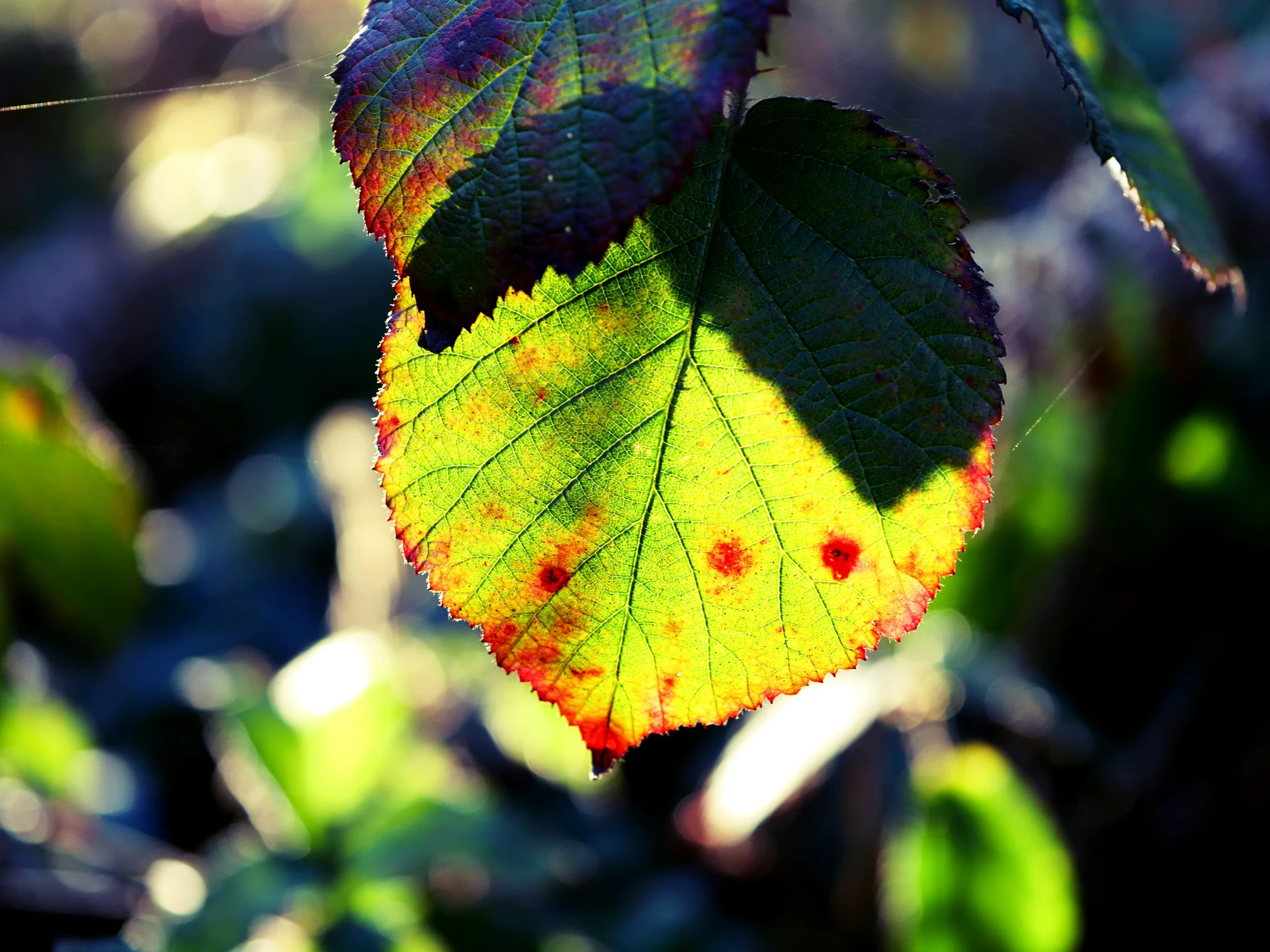
What is Leaf Spot on Bougainvillea?
Leaf spot is one of those problems that creeps up on you. One day your bougainvillea looks fine; a week later, you notice small dark circles scattered across the leaves. Another week, and those spots have multiplied, merged, and started to yellow the surrounding tissue. Before you know it, the plant is dropping leaves, and the bracts are spotted too. Leaf spot isn't usually a death sentence, but it's a clear sign that something in your growing conditions is off—almost always related to moisture on the leaves and poor air circulation.
Leaf spot refers to a range of fungal and bacterial diseases that cause localized lesions on leaves. The most common culprits on bougainvillea are fungal pathogens like Cercospora, Colletotrichum (anthracnose), and Pseudocercospora, as well as bacterial leaf spot caused by Pseudomonas or Xanthomonas. The spots vary in color, shape, and margin, but they all share one thing: they thrive when leaves stay wet for extended periods. High humidity, overhead watering, dense foliage, and poor airflow create the perfect storm.
Why does this matter specifically for bougainvillea? These plants are often grown in warm, humid climates (Florida, Southeast Asia, the Gulf Coast) or in greenhouses where conditions favor disease. They also have dense, twiggy growth that can trap moisture. And because we love their bracts, we sometimes forget that leaf health is the foundation. Spotted leaves photosynthesize less, weaken the plant, and eventually drop—reducing the plant's ability to produce those spectacular blooms.
For beginners, leaf spot can be alarming—it looks like the plant is rotting. For advanced growers, it's a management issue: cultural practices (watering method, pruning, spacing) combined with targeted fungicides. Most leaf spot problems can be prevented entirely with a few simple changes.
Why Leaf Spot Matters for Bougainvillea
Leaf spot isn't just cosmetic—it affects the plant's overall health and flowering potential.
Flowering impact: Leaves with extensive spotting have reduced photosynthetic area. The plant can't produce enough energy to support heavy blooming. You'll see fewer bracts, smaller bracts, and shorter bloom cycles. Severe leaf spot can cause defoliation, after which the plant must regrow leaves before it can bloom again—setting you back weeks or months. If spots spread to the bracts themselves (common with anthracnose), the flowers become unsightly and drop prematurely.
Root health impact: Leaf spot itself doesn't directly affect roots, but the conditions that promote leaf spot (high humidity, poor airflow, wet foliage) also promote root rot if the soil stays wet. Overhead watering that wets leaves also saturates the soil. It's a package deal. Many growers with leaf spot also have early stages of root rot.
Plant vigor and growth rate: A plant constantly fighting leaf spot is a stressed plant. It redirects energy to defense and repair instead of growth. New leaves are smaller and more susceptible. The plant becomes stunted. Repeated defoliation over several seasons weakens it to the point where pests (scale, mealybugs) move in.
Long-term health: Chronic leaf spot can lead to dieback of small branches, especially if the pathogen also infects stems (anthracnose). The plant becomes sparse and unsightly. In severe cases, especially with bacterial leaf spot, the infection can become systemic and kill the plant. Fungal leaf spots rarely kill a bougainvillea outright, but they make it vulnerable.
Container vs. landscape cultivation: Containers are somewhat easier to manage because you can move them into better airflow and control watering precisely. However, container plants in crowded patios or greenhouses are still prone. Landscape plants in humid climates can be harder to treat because you can't change the environment as easily. But in the ground, the larger root system gives the plant more resilience.
Quick Facts: Leaf Spot on Bougainvillea
| Factor | Details |
|---|---|
| Primary Causes | Fungi (Cercospora, Colletotrichum, Pseudocercospora) and bacteria (Pseudomonas, Xanthomonas) |
| Trigger Conditions | Prolonged leaf wetness (overhead watering, rain, high humidity), poor air circulation, dense foliage |
| Spot Appearance (Fungal) | Brown, tan, or dark brown; often circular with dark borders or yellow halos; may have concentric rings |
| Spot Appearance (Bacterial) | Water-soaked, angular, often with yellow halos; may ooze sticky fluid; spreads rapidly |
| Most Vulnerable Times | Wet seasons (spring and fall in many climates), after overhead watering, in crowded plantings |
| Prevention Key | Water at soil level, improve air circulation, prune for open structure, avoid wet leaves at night |
| Effective Treatments | Copper fungicide/bactericide, neem oil, chlorothalonil (for fungi), remove affected leaves |
| Recovery Time | 2-4 weeks after treatment; new leaves should be spot-free if conditions corrected |
Identification and Symptoms
Learning to distinguish fungal vs. bacterial leaf spot helps you choose the right treatment.
Early signs: Small, pinpoint dots on leaves—usually on older leaves first. They may be dark brown, black, or purple. At this stage, only a few spots per leaf. The leaf is still mostly green. This is the best time to act. Many growers ignore a few spots, but they spread quickly in warm, humid conditions.
Intermediate symptoms (fungal): Spots enlarge to 1/8 to 1/2 inch. They are typically circular or irregular, with distinct margins. Look for concentric rings (target-like appearance) with Cercospora. A yellow halo may surround the spot. Spots may coalesce (merge) into larger blotches. The leaf tissue in the center of old spots may become dry and fall out, leaving a hole (shot-hole effect). Infected leaves may turn yellow and drop.
Intermediate symptoms (bacterial): Spots are often angular (constrained by leaf veins), water-soaked (appear wet and translucent), and have bright yellow halos. Under high humidity, you may see sticky ooze on the spots. Bacterial spots spread faster and can cause rapid defoliation. They also may infect stems, causing dark cankers.
Advanced symptoms: Multiple spots cover most of the leaf surface. Leaves turn yellow or brown and drop. The plant may become nearly defoliated. Twigs and branches may show dieback (especially with anthracnose or bacterial infection). The plant looks ragged and stressed. Bracts may also develop spots and drop.
Common misdiagnoses: Leaf spot is often mistaken for sunburn (bleached, dry patches, not circular), fertilizer burn (crispy tips and margins, not spots), or insect damage (stippling or holes, not spots with defined margins). Also, powdery mildew (white powdery coating) is different. Check the pattern: spots with distinct borders and yellow halos point to pathogens. Use a magnifying glass; if you see tiny fruiting bodies (fungal spores), it's fungal.
Visual clues for accurate assessment: Note the spot shape (circular vs. angular), presence of yellow halos, water-soaked appearance, and pattern on the leaf (random vs. along veins). Also, consider the weather: if you've had rain or overhead watering, leaf spot is likely. Check the lower canopy first—that's where humidity lingers. Inspect stems for cankers.
Causes and Contributing Factors
Understanding what leads to leaf spot helps you prevent it.
Environmental factors: Leaf spot pathogens require free moisture on leaves to germinate and infect. That moisture can come from rain, dew, overhead irrigation, or high humidity (condensation). In warm temperatures (70-85°F), the disease cycle is rapid—new spots can appear in 3-5 days. Poor air circulation (dense foliage, crowded pots, still air) extends leaf wetness by reducing evaporation. Shade also slows drying.
Watering mistakes: Overhead watering (sprinklers, hose spray) is the number one cause of leaf spot on bougainvillea. Water splashes soil-borne spores onto leaves. Evening watering leaves leaves wet overnight, giving pathogens a 8-12 hour window to infect. Watering at the base (soil level) eliminates most leaf spot problems.
Nutrient issues: High-nitrogen fertilizers produce soft, lush leaves that are more susceptible to fungal infection. Potassium strengthens cell walls and improves disease resistance. A plant with adequate potassium and moderate nitrogen will have tougher leaves that resist penetration.
Pruning and spacing: Dense, unpruned bougainvillea have poor air circulation. Leaves stay wet longer. Overlapping leaves create microclimates of high humidity. Branches touching the ground or structures also trap moisture. Proper pruning to open the canopy dramatically reduces leaf spot.
Seasonal influences: Leaf spot is most common in spring and fall when temperatures are moderate and humidity is high. In summer, intense heat can dry leaves quickly, reducing disease. In winter, cool temperatures slow pathogen growth. Monsoon seasons and rainy periods are high-risk.
How to Manage and Treat Leaf Spot
Follow this integrated approach—cultural controls first, then chemical if needed.
- Stop overhead watering immediately. Switch to watering at the base of the plant. Use a watering can, drip irrigation, or soaker hose. Water in the morning so any accidental splashing dries quickly. This single change prevents 90% of leaf spot outbreaks.
- Remove infected leaves and prune for airflow. Pick off badly spotted leaves and dispose of them (do not compost—burn or trash). Prune out dense, crossing branches to open the canopy. Aim for a structure where light and air can penetrate. Remove any leaves or branches touching the ground or walls.
- Improve air circulation. If plants are indoors or in a greenhouse, use a small fan on low speed, oscillating, to keep air moving. Outdoors, space plants adequately (no crowding). If plants are against a wall, pull them out a few inches.
- Apply a copper-based fungicide/bactericide. Copper octanoate or copper hydroxide (e.g., Bonide Copper Fungicide) is effective against both fungal and bacterial leaf spot. Apply as a foliar spray, covering both sides of leaves. Follow label directions—typically every 7-14 days during active disease. Copper can cause leaf burn if applied in hot weather (above 85°F) or if mixed with other products. Test on a small area first.
- Alternative organic treatments: Neem oil (2 tablespoons per gallon) has antifungal properties and also repels insects. Apply every 7-10 days. Potassium bicarbonate (e.g., GreenCure) is effective against fungal leaf spots. Sulfur fungicides also work for fungi but not bacteria. For severe fungal cases, chlorothalonil (Daconil) is effective but not organic.
- For bacterial leaf spot (water-soaked, angular spots, rapid spread): Copper is your best option. Remove severely infected plants or branches to prevent spread. Disinfect pruners between cuts with rubbing alcohol or 10% bleach. Bacterial spots can be systemic in rare cases; if copper doesn't help, discard the plant and start fresh.
- Remove leaf litter from the soil surface. Fallen infected leaves harbor spores. Rake up and discard. Do not use infected leaves as mulch.
- Adjust fertilizer. Switch to a low-nitrogen, higher-potassium fertilizer (e.g., 5-10-20). Avoid high-nitrogen feeds that promote soft growth. Ensure adequate calcium and silica (potassium silicate) to strengthen cell walls.
- After the disease is controlled, maintain prevention. Continue base watering. Keep the canopy pruned. Apply a preventive copper spray once a month during humid seasons. Monitor regularly.
Common Mistakes with Leaf Spot
- Continuing overhead watering after spotting appears. You're splashing spores to new leaves. Switch to base watering immediately.
- Applying fungicide without fixing cultural issues. The disease will return. Copper treats symptoms, but dry leaves and airflow prevent recurrence.
- Pruning infected leaves during wet weather. You spread spores. Prune when leaves are dry, and disinfect tools between cuts.
- Using too much nitrogen fertilizer. Soft, lush leaves are sponges for infection. Switch to bloom-oriented, lower-nitrogen formulas.
- Ignoring leaf spot until defoliation. Early treatment is easy. By the time the plant drops half its leaves, recovery is slow.
- Applying copper in hot, sunny weather. This causes leaf burn. Apply in the evening or on cloudy days. Never above 85°F.
- Not cleaning up fallen leaves. Those leaves are a spore reservoir. Rake them up and discard.
- Overcrowding plants. Leaves touch, humidity rises, disease spreads. Give bougainvillea room.
Expert Tips from Experienced Growers
These insights come from managing leaf spot in humid climates and greenhouses.
Tropical climate considerations (Florida, Hawaii, SE Asia): Leaf spot is inevitable during rainy seasons. The key is rapid drying after rain. Plant in full sun (morning sun especially), prune for open structure, and use fans in greenhouses. Copper sprays every 2-3 weeks preventively during the wet season. Some growers use a baking soda solution (1 tablespoon per gallon) as a preventive—it raises leaf surface pH, inhibiting fungi.
High desert (Arizona, New Mexico): Leaf spot is rare because humidity is low. If you have leaf spot, you're likely overwatering overhead or have a very dense, shaded planting. Reduce watering frequency, switch to drip irrigation, and prune. Fungicides are rarely needed.
Mediterranean climates (coastal California, Spain): Morning dew can cause leaf spot in spring and fall. Water at the base in the morning. Prune after winter to open the canopy. Copper sprays in early spring before new growth can prevent issues. In coastal fog zones, consider moving pots into more open, breezy locations.
Container growing observations: Container plants are easy to protect: simply move them out of rain or under an eave during wet periods. Water with a long-spout watering can to reach the soil without wetting leaves. Elevate pots on pot feet to improve airflow underneath. In greenhouses, use a fan and avoid overcrowding.
Nursery production secrets: Commercial growers use preventive fungicide rotations (copper, chlorothalonil, mancozeb) during humid months. They also use drip irrigation exclusively. They prune to a "goblet" shape—open center—for maximum airflow. They also avoid overhead misting once leaves have emerged.
Collector-level technique: For rare cultivars prone to leaf spot, grow them in a dedicated area with a small oscillating fan running 24/7. Use a dehumidifier if humidity consistently exceeds 70%. Apply potassium silicate (silica) as a root drench every 2 weeks—it strengthens cell walls, making leaves physically harder for fungi to penetrate.
Troubleshooting Guide
| Problem | Likely Cause | Solution |
|---|---|---|
| Small brown spots with yellow halos on older leaves | Fungal leaf spot (Cercospora or similar) | Remove affected leaves. Switch to base watering. Apply copper or chlorothalonil. Improve air circulation. |
| Water-soaked, angular spots with bright yellow halos; rapid spreading | Bacterial leaf spot (Pseudomonas or Xanthomonas) | Remove severely infected leaves. Apply copper. Disinfect pruners. Isolate plant. If persistent, discard. |
| Dark, sunken spots on leaves and stems; dieback of tips | Anthracnose (Colletotrichum) | Prune out affected stems 2-3 inches below spot. Apply copper or chlorothalonil. Improve airflow. |
| Spots with concentric rings (target pattern) | Cercospora leaf spot (fungal) | Same as fungal leaf spot. This is a classic presentation. |
| Spots only on lower leaves, none on new growth | Early infection; spores splashed from soil | Remove lower affected leaves. Add mulch to prevent soil splash. Water at base. |
| Black spots with fuzzy gray mold on dead areas | Botrytis (gray mold) – often follows leaf spot | Improve air circulation dramatically. Remove dead tissue. Apply copper or sulfur. Reduce humidity. |
| Leaves develop spots after overhead watering in evening | Water-related infection period | Switch to morning base watering. Apply fungicide to stop spread. Leaves staying wet overnight is the trigger. |
| Spots persist despite treatment | Resistance or wrong product for the pathogen (bacterial vs. fungal) | Identify if spots are bacterial (copper works) or fungal (try chlorothalonil or mancozeb). Rotate products. |
Frequently Asked Questions
Will leaf spot kill my bougainvillea?
Rarely. Fungal leaf spots cause defoliation and weaken the plant but usually don't kill it. Bacterial leaf spot can be more aggressive and may cause dieback, but even then, bougainvillea often recover if you correct conditions and apply copper. The main risk is repeated defoliation over several seasons, which exhausts the plant. Treat early.
Can I eat vegetables treated with copper fungicide? (Not relevant to bougainvillea but asked often)
Copper is used on food crops with waiting periods. For ornamental bougainvillea, don't eat any part. Wash hands after spraying. Keep away from edible plants if you're concerned about drift.
How do I prevent leaf spot without chemicals?
Absolutely. Water at the base only, never overhead. Water in the morning. Prune to open the canopy. Space plants for air circulation. Remove fallen leaves. Avoid high-nitrogen fertilizer. Use a fan indoors. These cultural practices alone eliminate leaf spot in most cases.
Is neem oil effective against leaf spot?
Yes, as a preventive and mild treatment. Neem oil has antifungal properties and coats leaves to prevent spore germination. It's less potent than copper but organic and safe. Apply every 7-10 days. For active severe infections, copper is more reliable.
Should I remove all spotted leaves?
Remove leaves that are heavily spotted (more than 50% coverage) or yellowing. But don't strip the plant bare. Leaves with a few small spots still photosynthesize. Removing too many leaves stresses the plant. Balance removal with the need for foliage.
Can leaf spot spread to other plants?
Yes, many leaf spot pathogens are not host-specific. They can infect other ornamentals, especially those in the same family (Nyctaginaceae) or those with similar leaf textures. Isolate affected plants. Disinfect tools. Avoid splashing water between plants.
Why do leaf spots keep coming back every year?
You have a persistent environmental issue: likely overhead watering, dense foliage, or a location with poor airflow and high humidity. Spores overwinter in fallen leaves and on stems. Clean up thoroughly in fall. Apply a dormant copper spray in late winter. Switch to drip irrigation. Prune aggressively. These steps break the cycle.
Is it safe to use baking soda spray on bougainvillea for leaf spot?
Baking soda (sodium bicarbonate) 1 tablespoon per gallon of water with a few drops of dish soap can raise leaf pH and inhibit fungal spores. It's a mild preventive, not a cure. Test on a small area first; some plants are sensitive. It can cause leaf burn in hot sun. Use in evening. For active infections, copper is better.
Related Bougainvillea Topics
- Watering Techniques: Base vs. Overhead
- Pruning for Air Circulation and Disease Prevention
- Using Copper Fungicide on Bougainvillea
- Humidity and Airflow Management
- Powdery Mildew vs. Leaf Spot: Key Differences
- Low-Nitrogen, High-Potassium Fertilizers for Disease Resistance
- Neem Oil as a Fungicide and Insecticide
- Bacterial Diseases of Bougainvillea: Identification and Control
Summary
Leaf spot on bougainvillea is primarily a disease of wet leaves and poor air circulation. Fungal and bacterial pathogens cause circular or angular spots that yellow and drop leaves. The most effective control is prevention: water at the base (never overhead), water in the morning, prune for an open canopy, space plants, and clean up fallen leaves. If disease appears, remove infected leaves, apply copper fungicide/bactericide, and correct the underlying environmental issues.
Most leaf spot problems resolve quickly once you stop wetting the foliage. In humid climates or rainy seasons, preventive copper sprays every 2-4 weeks can keep leaves clean. Avoid high-nitrogen fertilizers. A healthy, well-pruned bougainvillea in full sun with good airflow is rarely troubled by leaf spot.
My final advice: before reaching for a spray, reach for your pruning shears and watering can. Open up the plant, water the soil not the leaves, and let the sun and breeze do their work. In nine cases out of ten, that's all you need. Leaf spot is a symptom of grower error, not plant weakness. Fix the error, and the spots stop.
Related Plants
Plant Guide
21 Jewel Yellow
This 21 Jewel Yellow bougainvillea is valued for its golden yellow to creamy yellow bracts and its sun-loving climber that shows best colour in bright, hot exposure. In warm tropical and subtropical gardens, it performs as a resilient ornamental climber that rewards full sun, sharp drainage, and a restrained feeding regime with long flushes of colour.
Plant Guide
Abraham Kavoo Or Yellow Dauphine
This Abraham Kavoo Or Yellow Dauphine bougainvillea is valued for its golden yellow to creamy yellow bracts and its sun-loving climber that shows best colour in bright, hot exposure. In warm tropical and subtropical gardens, it performs as a resilient ornamental climber that rewards full sun, sharp drainage, and a restrained feeding regime with long flushes of colour.
Plant Guide
Black Maria
This Black Maria bougainvillea is valued for its bright pink to magenta bracts and its vigorous climber with strong repeat bloom. In warm tropical and subtropical gardens, it performs as a resilient ornamental climber that rewards full sun, sharp drainage, and a restrained feeding regime with long flushes of colour.
Plant Guide
Chilli Yellow
This Chilli Yellow bougainvillea is valued for its golden yellow to creamy yellow bracts and its sun-loving climber that shows best colour in bright, hot exposure. In warm tropical and subtropical gardens, it performs as a resilient ornamental climber that rewards full sun, sharp drainage, and a restrained feeding regime with long flushes of colour.
Plant Guide
Chocolate Brown
This Chocolate Brown bougainvillea is valued for its bronze to coppery brown bracts and its distinctive collector cultivar best kept in strong sun. In warm tropical and subtropical gardens, it performs as a resilient ornamental climber that rewards full sun, sharp drainage, and a restrained feeding regime with long flushes of colour.
Plant Guide
Delta Yellow
This Delta Yellow bougainvillea is valued for its golden yellow to creamy yellow bracts and its sun-loving climber that shows best colour in bright, hot exposure. In warm tropical and subtropical gardens, it performs as a resilient ornamental climber that rewards full sun, sharp drainage, and a restrained feeding regime with long flushes of colour.
Related Articles
Guide
Common Bougainvillea Problems & Fixes: Root Rot, No Blooms, Yellow Leaves (Complete Guide)
The 8 most common bougainvillea problems diagnosed and fixed: root rot, no blooms, yellow leaves, leaf drop, leggy growth, pests, powdery mildew, and overwatering. Each entry includes symptoms, cause, exact fix, and expected recovery time.
Guide
Early Identification of Common Bougainvillea Diseases and Effective Responses
Learn to spot early signs of bougainvillea diseases: leaf spot, root rot, and dieback. Practical treatment tips for high-humidity tropical and monsoon conditions.
Guide
Why Your Bougainvillea is Dropping Leaves (And How to Save It)
Bougainvillea leaf drop is usually a stress signal, not a death sentence. This guide explains the most common causes, how to diagnose them quickly, and the exact steps to restore growth before the plant declines further.
Guide
Best Fertilizer for Bougainvillea: Feed for Bracts, Not Leaves (Global Guide)
Global guide to bougainvillea fertilizer: organic vs synthetic, low-nitrogen NPK ratios, feeding schedules for pots and ground, and how to trigger heavy blooms without excess leaf growth.
Guide
Why Every Gardener Should Have the Arjuna Bougainvillea (Complete Variety Guide)
The Arjuna Bougainvillea is a near-year-round bloomer prized for its vivid multi-color flowers, disease resistance, and beginner-friendly nature. Here's why it earns a spot in every garden, plus a full care guide.
Guide
Best Fertilizer for Bougainvillea in 2026 – NPK Ratios That Actually Work
A no-nonsense 2026 guide to bougainvillea fertilization: the NPK ratios that actually produce bracts (not just leaves), what Indian-market products to use, what to avoid, and a season-by-season feeding calendar tested in West Bengal.
Related Calculators & Tools
Calculator
Bougainvillea Neem Oil & Pest Calculator
Calculate precise neem oil dilutions to eradicate Bougainvillea Loopers and aphids.
Calculator
Bougainvillea NPK Fertilizer Calculator
Analyze your fertilizer NPK ratio to ensure it promotes Bougainvillea blooms rather than just green leaves.
Calculator
Bougainvillea Heat Stress & Watering Calculator
Diagnose heat stress in potted Bougainvilleas during extreme summer weather.
Calculator
Bougainvillea Potting Mix Calculator
Calculate the exact volumes of perlite, compost, and soil for a fast-draining Bougainvillea mix.
Calculator
Bougainvillea Watering Schedule Calculator
Calculate exactly when to water your Bougainvillea using the proven Dry-to-Bloom method.
Calculator
Bougainvillea Compost Top-Dressing Calculator
Calculate precise compost volumes to naturally amend your Bougainvillea garden beds.