Leggy Growth
Learn how to fix leggy bougainvillea by increasing sunlight, pruning correctly, and encouraging compact, bushy growth to stimulate heavy flowering.
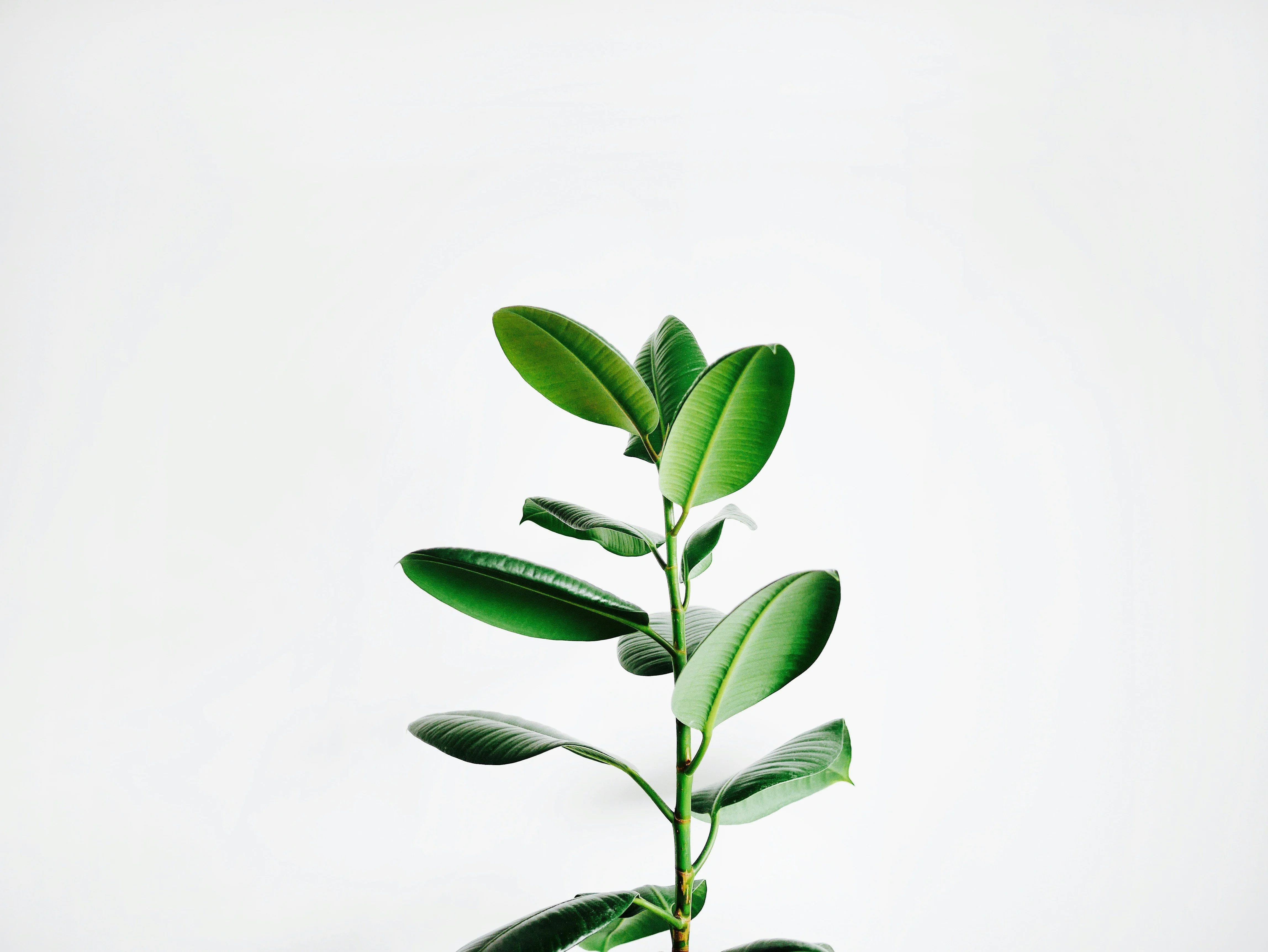
What is Leggy Growth on Bougainvillea?
If your bougainvillea looks more like a tangled, sparse vine with long gaps between leaves and very few flowers, you're dealing with leggy growth. In horticultural terms, this is etiolation—the plant's desperate attempt to reach more light. Leaves are spaced far apart (2-4 inches or more), stems are thin and weak, and the overall shape is open and unkempt. It's the opposite of the compact, bloom-covered bush you were hoping for.
Leggy growth is almost always a light issue. Bougainvillea are sun worshippers. They need at least 6 hours of direct sun daily to maintain dense foliage and trigger blooming. When light is insufficient, the plant redirects resources into stem elongation, gambling that longer stems will reach a brighter spot. Meanwhile, leaves become smaller and darker green (trying to capture more photons), and bract production plummets. Sometimes, leggy growth is also caused by over-fertilization with nitrogen, which pushes soft, rapid growth that stretches even in adequate light.
Why does this matter specifically for bougainvillea? Because their natural growth habit is already somewhat open. Without enough sun, they go from "airily beautiful" to "plain ugly." And because bougainvillea bloom on new wood, you might think leggy growth is good (more new wood). But those long, weak stems produce fewer, smaller bracts than short, sturdy ones. The goal is compact, well-branched growth, not long runners.
For beginners, leggy growth is often accepted as "normal" because the plant is green and alive. For advanced growers, it's a sign of poor placement or maintenance. Correcting it requires more light and strategic pruning—and patience, because the plant won't instantly compact itself.
Why Leggy Growth Matters for Bougainvillea
Leggy growth isn't just an aesthetic issue—it affects the plant's health and blooming potential significantly.
Flowering impact: This is the biggest downside. Bougainvillea produce bracts at the tips of new growth. On a compact plant, those tips are numerous and close together. On a leggy plant, there are fewer tips per square foot, and the bracts are often smaller and paler. The plant may produce scattered blooms along its long stems instead of a dense mass of color. In severe cases, no blooms at all. I've seen beautiful cultivars reduced to green, flowerless vines simply because they were placed in too much shade.
Root health impact: Leggy growth itself doesn't directly harm roots, but the causes (low light, high nitrogen) can. Low light reduces transpiration, so the plant uses less water—easily leading to overwatering and root rot. High-nitrogen fertilizer can cause salt buildup and soft growth that attracts pests. So leggy plants are often also overwatered or overfed, compounding the problem.
Plant vigor and growth rate: A leggy plant may actually grow faster in terms of stem length, but that growth is low-quality. The stems are weak and may flop over. They're more susceptible to wind damage, breakage, and pest infestations (aphids love tender new growth). The plant puts energy into stretching rather than thickening or branching. The result is a floppy, fragile plant that doesn't hold up well.
Long-term health: Chronic low light causes the plant to slowly decline. Lower leaves yellow and drop because they're shaded. The plant becomes top-heavy and may lean drastically. Over years, it may lose its lower foliage entirely, looking like a bunch of green sticks with a few leaves at the top. It becomes more susceptible to scale and mealybugs. Eventually, without intervention, it may die from combined stress and root rot.
Container vs. landscape cultivation: Leggy growth is more common in containers because people move pots into less-than-ideal light (e.g., a north-facing patio) or keep them indoors. In the landscape, leggy growth usually means you planted in a spot that doesn't get enough sun. Both are fixable, but containers are easier to move. Landscape plants may need to be relocated or have overhanging trees pruned.
Quick Facts: Leggy Growth on Bougainvillea
| Factor | Details |
|---|---|
| Primary Cause | Insufficient light (less than 5-6 hours direct sun daily) |
| Secondary Cause | Excess nitrogen fertilizer (promotes soft, elongated growth) |
| Internode Length (normal) | 1-2 inches (2.5-5 cm) in good light |
| Internode Length (leggy) | 3-6 inches (7-15 cm) or more |
| Bloom Reduction | 50-90% fewer bracts compared to compact plant |
| Most Leggy-Prone Cultivars | 'Rosenka', 'Pink Pixie', 'Vera Deep Purple' (sensitive to low light) |
| Most Compact Cultivars | 'Torch Glow', 'Barbara Karst', 'Crimson Jewel' (stay bushier) |
| Recovery Time after Correction | 4-8 weeks to see new compact growth; full shape takes 1-2 growing seasons |
Identification and Symptoms
Leggy growth is easy to spot once you know what normal looks like.
Early signs: Internodes (the gaps between leaves) begin to stretch. Instead of leaves every 1-2 inches, you see 3 inches between leaves. New stems are thinner than usual and may be lighter green. The plant starts to lean toward the light source (phototropism). At this stage, increasing light can stop further stretching, but existing growth won't shorten.
Intermediate symptoms: Internodes exceed 4 inches. Leaves are smaller, darker green, and may be spaced irregularly. Lower leaves yellow and drop because they're shaded. The plant has an open, sparse appearance. Stems are weak and may require staking. Few or no bracts appear. The plant may look "stringy."
Advanced symptoms: Long, whip-like stems with leaves only at the tips. The base of the plant is bare. The entire plant may lean dramatically. It looks more like a climbing vine than a shrub. Blooming is nonexistent or extremely sparse. The plant is top-heavy and prone to tipping in wind.
Common misdiagnoses: Leggy growth is sometimes mistaken for normal growth of a young plant (but young plants should still have close internodes in good light). Also mistaken for a naturally vining habit—some bougainvillea are more sprawling, but even sprawling types should have dense foliage. Don't confuse leggy growth with the open habit of mature, woody stems (which is fine if the new growth is compact).
Visual clues for accurate assessment: Measure the distance between two leaves on a new stem. For a healthy bougainvillea in full sun, that distance should be 1-2 inches. If it's 3 inches or more, you have leggy growth. Also, note the stem thickness: leggy stems are thin and flexible. Compare to a stem in direct sun—it should be sturdy.
Causes and Contributing Factors
Understanding why leggy growth happens helps you prevent it.
Insufficient light (primary cause): The plant is genetically programmed to seek light. In shade, it produces more auxin (a growth hormone) that promotes cell elongation. This is an adaptive response to escape shade. The lower the light intensity, the more extreme the elongation. Even a plant that gets 4 hours of direct sun can become leggy if the rest of the day is deep shade. Indirect bright light is not enough—bougainvillea need direct sun.
Excess nitrogen fertilizer: High-nitrogen fertilizers (e.g., 30-10-10) push rapid vegetative growth. If light is also low, you get explosive leggy growth—long, soft, green stems that flop. This is a common mistake: people see a plant not blooming and think it needs fertilizer, but nitrogen makes it worse. Switch to a low-nitrogen, high-phosphorus bloom formula.
Seasonal light changes: In winter, the sun angle is lower and days are shorter. A spot that had 8 hours of sun in summer may have only 4 in winter. The plant may become leggy in winter even if it was compact in summer. Move plants or supplement with grow lights.
Overcrowding: Plants placed too close together shade each other. The interior of a dense planting becomes leggy. Even the outer leaves may stretch if they're competing. Space plants at least 3-5 feet apart.
Window orientation for indoor plants: South-facing windows are best; east/west are marginal; north-facing are insufficient. Even a south-facing window may not provide enough light in winter at high latitudes. Grow lights are often necessary.
Container placement: A pot placed on a porch with a roof overhang may get only morning or afternoon sun, not the full 6 hours. Move it to an open area. Dark walls or fences can also reflect light but also cast shade.
How to Fix and Prevent Leggy Growth
Follow this step-by-step approach. Be patient—correction takes time.
- Increase light immediately. This is the non-negotiable first step. Move the plant to the sunniest location possible. For outdoor plants: at least 6-8 hours of direct sun. For indoor plants: a south-facing window plus supplemental grow lights (LED, 14-16 hours/day). If you can't provide enough light, accept that the plant will be leggy, or consider a more shade-tolerant plant (but bougainvillea aren't that).
- Prune back leggy stems hard. Once light is corrected, prune. Cut leggy stems back by 50-70%, to just above a node (leaf junction). This encourages branching from the base and lower nodes. Make cuts just above an outward-facing bud to shape the plant. Remove any thin, weak stems entirely. Leave some leaves for photosynthesis, but don't be afraid to prune hard—bougainvillea respond well.
- Adjust fertilizer. Switch to a low-nitrogen, high-phosphorus fertilizer (e.g., 5-20-20 or 2-10-10). Stop fertilizing for 4-6 weeks after heavy pruning to let the plant settle. Then apply at half strength. Avoid high-nitrogen feeds.
- Ensure proper watering. In higher light, the plant will use more water. Water when the top 2 inches of soil are dry. Don't let it wilt, but also don't keep it constantly wet. Healthy watering supports compact growth.
- Pinch growing tips regularly. Once new growth appears, pinch out the very tip of each new stem when it has 4-6 leaves. This forces branching, making the plant bushier. Do this every 4-6 weeks during the growing season. This is the secret to a compact, floriferous plant.
- Rotate container plants weekly. Even in good light, one side may get more light. Rotate to keep growth even. Otherwise, the plant will lean and become unbalanced.
- Consider staking temporarily. If the plant is very floppy, use a bamboo stake to support it while new compact growth emerges. After a few months, the new growth should be sturdy enough.
- Be patient for full recovery. New growth after pruning will be more compact if light is sufficient. However, existing long internodes won't shorten. The plant will look awkward for a while as the new bushy growth fills in. After 1-2 growing seasons, the leggy stems can be pruned out entirely, leaving a compact plant.
Common Mistakes with Leggy Growth
- Pruning without increasing light. The new growth will also be leggy because the underlying problem remains. Fix light first, then prune.
- Fertilizing to encourage growth. More nitrogen makes legginess worse. Reduce fertilizer or switch to low-nitrogen.
- Staking leggy stems without pruning. The plant will just grow taller and still be sparse. You need to prune back to force branching.
- Moving a plant directly from low light to full sun without acclimation. This causes sunburn. Acclimate over 10-14 days: start with 1 hour of morning sun, increase gradually.
- Expecting instant results. Compact growth takes weeks to emerge. The plant may look worse before it looks better. Be patient.
- Not pinching tips. If you only prune once and never pinch, the plant will grow long again. Regular pinching is needed for dense habit.
- Assuming all cultivars respond the same. Some are genetically more compact. If you struggle with legginess despite good light, consider a naturally bushy cultivar like 'Torch Glow'.
Expert Tips from Experienced Growers
Here's what seasoned growers know about keeping bougainvillea compact and blooming.
Tropical climate considerations: In high light, leggy growth is rare unless the plant is shaded by trees or buildings. The challenge is managing rampant growth—plants can become huge. Prune frequently and pinch tips to maintain shape. Use low-nitrogen fertilizer to avoid excessive vegetative growth.
High desert (Arizona, New Mexico): The intense sun produces compact growth naturally. Leggy growth here usually means the plant is in too much shade (e.g., against a north wall). Move it to full south or west exposure. However, afternoon protection may still be needed to prevent heat stress, but that doesn't cause legginess.
Cool coastal (Pacific Northwest, UK): Low light levels make leggy growth almost inevitable for indoor plants or those in shaded gardens. Use grow lights for indoor plants. For outdoors, choose the sunniest south-facing wall and consider growing in containers that can be moved to follow the sun. Accept that bloom may be less than in Mediterranean climates.
Container growing observations: Leggy growth is a sign that your plant needs a sunnier spot. Don't be sentimental about placement—move the pot. In winter, use grow lights. Also, avoid over-potting: a small plant in a large pot tends to grow leggy because the roots take time to fill the pot, and the top growth stretches. Use appropriately sized pots.
Nursery production secrets: Commercial growers use growth regulators (e.g., paclobutrazol) to keep plants compact, but home growers shouldn't. Instead, they use high light, pinch frequently, and apply low-nitrogen, high-potassium feeds. They also prune roots occasionally to limit vigorous top growth. For home growers, the key is frequent pinching—every 2-3 weeks during active growth.
Collector-level technique: For a specimen plant, use a technique called "pruning to a node." After a flush of growth, cut each stem back to a node that faces the direction you want new growth. This creates a dense, structured plant. Also, use a reflective mulch (white gravel) to bounce light up into the lower canopy, reducing legginess from internal shading.
Troubleshooting Guide
| Problem | Likely Cause | Solution |
|---|---|---|
| Long internodes, sparse leaves, no blooms | Insufficient light (less than 5 hours direct sun) | Move plant to sunnier location. For indoor, add grow lights (14-16 hours/day). Prune back hard after light is fixed. |
| Plant is lush green with long stems but still no blooms | Excess nitrogen fertilizer, possibly with adequate light | Stop fertilizing. Leach soil. Switch to low-N, high-PK fertilizer (e.g., 2-10-10). Pinch tips. |
| Leaves only at the tips, bare lower stems | Chronic low light; lower leaves shaded and dropped | Increase light. Prune back to where leaves remain. New growth will fill in lower if light reaches. |
| Plant leans severely toward window or light source | Directional light, no rotation | Rotate container weekly. For landscape, accept asymmetry or prune to balance. |
| New growth after pruning is still leggy | Light still insufficient or too much nitrogen | Re-evaluate light—measure with meter (need 6+ hours direct). Switch to bloom fertilizer. Pinch more aggressively. |
| Stems are thin and flop over | Low light, high nitrogen, or young plant | Increase light. Reduce nitrogen. Stake temporarily. Prune back to encourage thicker growth. |
| Plant becomes leggy only in winter | Seasonal light reduction | Move to sunniest winter spot. Add grow lights. Accept slower growth; prune in spring. |
| Pinching doesn't help; plant still stretches | Genetically leggy cultivar or extreme low light | Consider a more compact cultivar ('Torch Glow', 'Crimson Jewel'). Or accept that you need professional grow lights. |
Frequently Asked Questions
Can leggy bougainvillea become compact again?
Yes, but the existing leggy stems will not shorten. You need to increase light, prune back the leggy growth hard, and allow new compact growth to emerge from the base or lower nodes. Over 1-2 growing seasons, you can prune out the old leggy wood entirely, leaving a compact plant. Patience and consistent pinching are key.
Should I cut back my leggy bougainvillea all the way to the ground?
You can, but it's drastic. Bougainvillea can regrow from the root crown. If the plant is very leggy with no lower leaves, cutting back to 6-12 inches above the ground is an option. Do this in early spring. Water sparingly until new shoots appear. The new growth will be compact if light is adequate. However, you'll lose a season of blooms.
How do I stop my bougainvillea from getting leggy indoors?
Provide the brightest south-facing window, supplemented by full-spectrum LED grow lights for 14-16 hours daily. Keep lights 6-12 inches above the plant. Pinch new growth every 2-3 weeks. Use a low-nitrogen fertilizer. Even then, indoor bougainvillea may still be somewhat leggy compared to outdoor ones. Accept some stretching or move the plant outdoors in summer.
Will leggy growth affect blooming permanently?
No. Once you correct the light and prune, the plant will resume normal blooming. However, if the plant has been leggy for years, it may take a full growing season to recover. The existing long stems may never produce many bracts, which is why pruning them off is important. New compact stems will bloom normally.
What's the difference between leggy growth and a naturally sprawling habit?
Some bougainvillea cultivars are naturally more open and vining (e.g., 'Barbara Karst' can be trained as a vine). Even vining types should have leaves relatively close together (1-2 inches) on new growth. Leggy growth has excessive internodes (3+ inches) and thin, weak stems. A naturally sprawling plant can be trained on a trellis; a leggy plant looks unhealthy. If in doubt, compare to a known healthy specimen.
Can I use a growth regulator to stop leggy growth?
Products like paclobutrazol (Bonzi) are used commercially but are not recommended for home growers. They require precise application and can cause stunting or distorted growth. Focus on cultural solutions: light, pruning, and fertilizer. If you're tempted by chemicals, you're better off improving the environment.
How long after increasing light will I see improvement?
New growth after pruning will show compact internodes within 2-4 weeks if light is sufficient. However, the overall shape may take 3-6 months to look balanced. The plant will produce new branches from the nodes where you pruned, and those branches will be denser. Be patient and continue pinching.
Why is my bougainvillea leggy even in full sun?
Possible reasons: 1) Too much nitrogen fertilizer—switch to low-N. 2) The plant is very young and still establishing—young plants can be leggy; pinch tips. 3) The cultivar is naturally vining—provide a trellis and accept some openness, but still pinch. 4) The "full sun" spot is actually only 4 hours because of trees or buildings—measure with a light meter. 5) The plant is rootbound in a small pot—repot.
Related Bougainvillea Topics
- Direct Sunlight Requirements for Bougainvillea
- Pruning Bougainvillea for Shape and Blooms
- Low-Nitrogen Fertilizers to Prevent Leggy Growth
- Pinching and Tip Pruning for Compact Plants
- Using Grow Lights to Prevent Indoor Legginess
- Naturally Compact Bougainvillea Cultivars
- Best Container Placement for Maximum Light
- Hard Pruning to Rejuvenate Leggy Old Plants
Summary
Leggy growth on bougainvillea is a clear cry for more light. Long internodes, sparse leaves, weak stems, and few blooms all point to insufficient direct sun (less than 5-6 hours daily) or excess nitrogen fertilizer. The fix is not complicated: increase light exposure, prune back the leggy stems hard, switch to a low-nitrogen, high-phosphorus fertilizer, and start pinching new growth regularly.
Don't expect overnight results. After pruning and light correction, new growth will be more compact within weeks, but the plant's overall shape may take a full growing season to become dense and full. Patience, consistent pinching, and adequate sun are your tools. For indoor plants, grow lights are often necessary to prevent winter legginess.
My final advice: don't try to fix leggy growth with fertilizer or stakes alone. Light is the master variable. Before you prune or feed, move the plant to the sunniest spot you have. Then prune. Then be consistent with pinching. A bougainvillea in 8 hours of direct sun, with moderate feeding and regular tip pruning, will naturally be compact, bushy, and covered in bracts. Give it what it needs, and it will reward you.
Related Plants
Plant Guide
Adas Joy
Bougainvillea 'Ada's Joy' is a striking peach-pink cultivar prized for its soft warm bracts and elegant elongated growth. Reportedly mutated in Xiamen at Mr. Hongwei Yu's garden, it rewards full sun, sharp drainage, and lean feeding with long flushes of colour in tropical and subtropical gardens.
Plant Guide
Dania white
This Dania white bougainvillea is valued for its white to creamy white bracts and its clean-coloured climber that looks brightest in strong light. In warm tropical and subtropical gardens, it performs as a resilient ornamental climber that rewards full sun, sharp drainage, and a restrained feeding regime with long flushes of colour.
Plant Guide
Duck Feet
Bougainvillea 'Duck Feet' is a rare compact cultivar prized for its distinctive lobed leaves resembling duck feet and bright pink-magenta bracts. Ideal for containers, balconies, and small gardens where foliage interest matters as much as flower colour.
Plant Guide
Glabra White
This Glabra White bougainvillea is valued for its white to creamy white bracts and its clean-coloured climber that looks brightest in strong light. In warm tropical and subtropical gardens, it performs as a resilient ornamental climber that rewards full sun, sharp drainage, and a restrained feeding regime with long flushes of colour.
Plant Guide
Hawaiian White
This Hawaiian White bougainvillea is valued for its white to creamy white bracts and its clean-coloured climber that looks brightest in strong light. In warm tropical and subtropical gardens, it performs as a resilient ornamental climber that rewards full sun, sharp drainage, and a restrained feeding regime with long flushes of colour.
Plant Guide
Miss Alice White
This Miss Alice White bougainvillea is valued for its white to creamy white bracts and its clean-coloured climber that looks brightest in strong light. In warm tropical and subtropical gardens, it performs as a resilient ornamental climber that rewards full sun, sharp drainage, and a restrained feeding regime with long flushes of colour.
Related Articles
Guide
Best Fertilizer for Bougainvillea: Feed for Bracts, Not Leaves (Global Guide)
Global guide to bougainvillea fertilizer: organic vs synthetic, low-nitrogen NPK ratios, feeding schedules for pots and ground, and how to trigger heavy blooms without excess leaf growth.
Guide
Bougainvillea Growing Guide: Sun, Soil, Pruning, and Climate
Complete bougainvillea growing guide for tropical, subtropical, and Mediterranean climates. Learn sunlight, soil mix, pruning, and seasonal care for dwarf balcony pots to large wall climbers.
Guide
How to Make Bougainvillea Bloom: The Sun-Stress-Prune Method (Global Guide)
Global guide to trigger heavy bougainvillea blooms using the sun-stress-prune method: full sun, controlled dry spells, strategic pruning, and low-nitrogen fertilizer.
Guide
Common Bougainvillea Problems & Fixes: Root Rot, No Blooms, Yellow Leaves (Complete Guide)
The 8 most common bougainvillea problems diagnosed and fixed: root rot, no blooms, yellow leaves, leaf drop, leggy growth, pests, powdery mildew, and overwatering. Each entry includes symptoms, cause, exact fix, and expected recovery time.
Guide
Basic Bougainvillea Care: Complete Global Guide for Vibrant Blooms
Complete global guide to basic bougainvillea care: sunlight (6–8 hours), dry-down watering, pruning for blooms, low-nitrogen fertilizer, and troubleshooting common problems.
Guide
How to Water Bougainvillea Without Killing the Bloom Cycle (Global Guide)
Master bougainvillea watering worldwide: use the dry-down method to prevent root rot, trigger heavy blooming, and adjust for pots, ground, and all climates.
Related Calculators & Tools
Calculator
Bougainvillea Grow Bag Size Calculator
Calculate the ideal fabric grow bag volume for massive Bougainvillea growth.
Calculator
Bougainvillea Potting Mix Calculator
Calculate the exact volumes of perlite, compost, and soil for a fast-draining Bougainvillea mix.
Calculator
Bougainvillea Soil pH Calculator
Calculate amendments to reach the ideal 5.5 - 6.5 pH for Bougainvillea nutrient uptake.
Calculator
Bougainvillea Garden Mulch Calculator
Calculate exact mulch volumes while learning how to apply it safely around Bougainvilleas.
Calculator
Bougainvillea Neem Oil & Pest Calculator
Calculate precise neem oil dilutions to eradicate Bougainvillea Loopers and aphids.
Calculator
Bougainvillea Repotting Calculator
Calculate exact pot size upgrades while learning how to protect their fragile roots.