Rootbound
Identify rootbound bougainvillea: circling roots, rapid soil drying, wilting, and reduced blooms — plus when and how to repot without causing further stress.
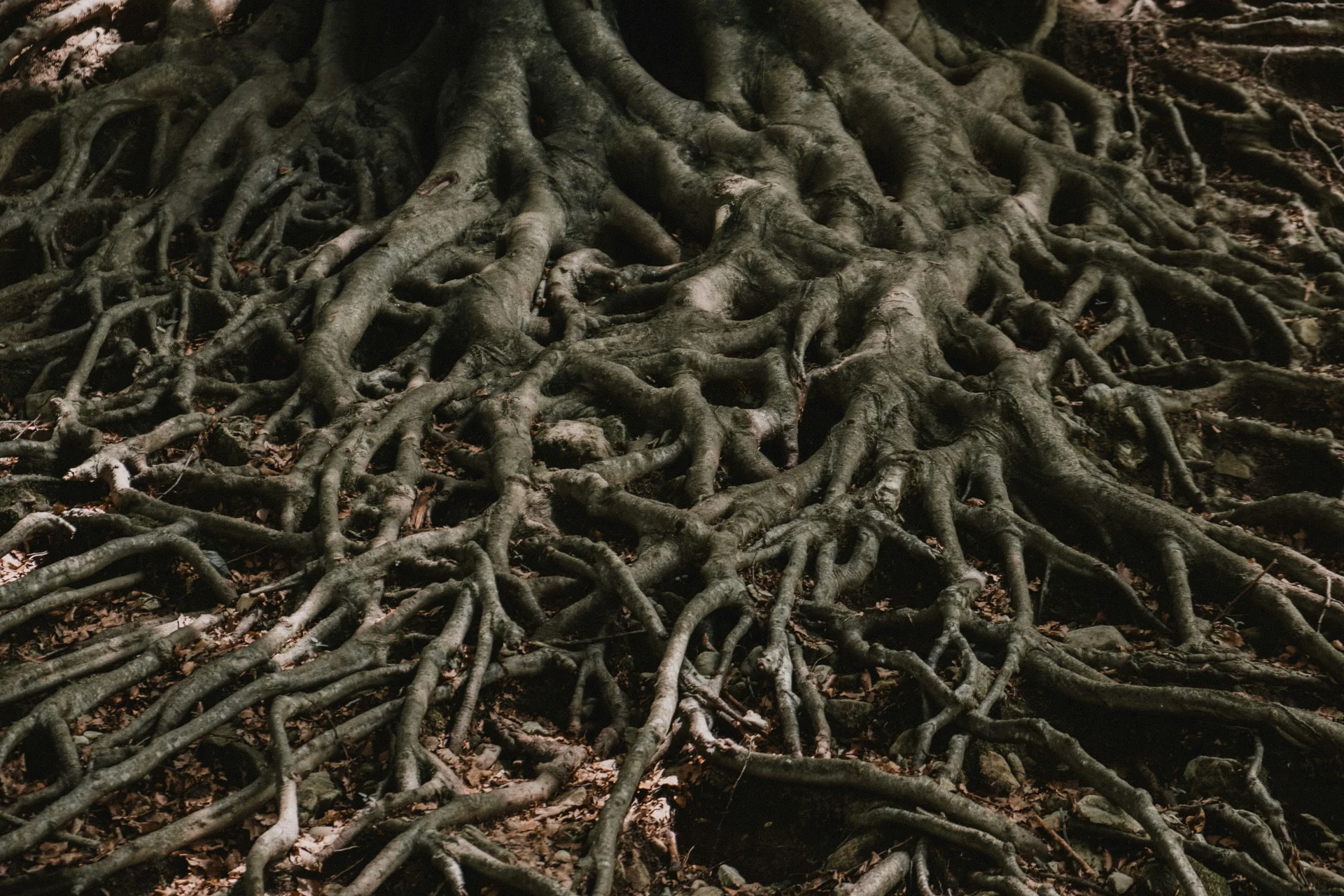
What Is Rootbound?
Rootbound is a condition that occurs when a plant's root system outgrows its container and begins circling, tangling, or densely compacting within the available space. As roots continue expanding but encounter the pot walls, they change direction and grow around the container's interior. Over time, this creates a dense root mass that can restrict water absorption, nutrient uptake, and normal plant development.
Roots require adequate space, oxygen, moisture, and access to nutrients to function efficiently. In a rootbound plant, the growing medium becomes increasingly displaced by roots, leaving less room for water retention and air-filled pore spaces. Root respiration may become less efficient, and the plant often dries out more quickly because the limited volume of soil cannot hold sufficient moisture.
The condition affects plant physiology in several ways. Water and nutrients absorbed by roots support photosynthesis in leaves and fuel new growth. When roots become severely congested, resource uptake may decline, leading to slower growth, smaller leaves, reduced flowering, and increased susceptibility to environmental stress. Some species tolerate mild root restriction, but prolonged confinement can eventually impact plant health.
Rootbound plants are particularly common among bougainvillea that have remained in the same container for several years. Fortunately, the problem is usually reversible through timely repotting, root inspection, and appropriate root-zone management.
Signs and Symptoms
- Roots Emerging from Drainage Holes: Roots become visible beneath the container and continue extending outward as available internal space is exhausted.
- Circling Root Mass: When removed from the pot, roots form dense spirals around the outer edge of the root ball, often creating multiple layers.
- Rapid Soil Drying: The root zone dries unusually quickly because roots occupy most of the container volume and leave little room for water retention.
- Reduced Leaf Size: New foliage appears noticeably smaller than older leaves, with the change becoming more apparent over successive growth cycles.
- Frequent Wilting: Leaves droop shortly after watering intervals due to limited moisture reserves within the crowded root zone.
- Slowed Growth: New shoots and stems develop more slowly as root restriction limits resource acquisition.
- Declining Flower Production: Flowering plants may produce fewer blooms or smaller flowers as root congestion increases.
Step-by-Step: How to Treat Rootbound Plants
- Remove the plant carefully from its container and inspect the root system for dense circling roots.
- Select a new pot approximately 2–5 cm wider in diameter than the current container for most bougainvillea.
- Loosen the outer roots gently with your fingers, separating circling roots where possible.
- Trim severely tangled or damaged roots using clean pruning shears if necessary.
- Add fresh growing medium to the new container and position the root ball at its original planting depth.
- Backfill with potting mix, leaving 1–2 cm of space below the rim to facilitate watering.
- Water thoroughly and monitor the plant over the next 2–4 weeks as roots establish in the expanded growing area.
Best Practices and Pro Tips
- Inspect Annually: Check root systems every 12 months, especially in fast-growing species.
- Increase Pot Size Gradually: Move up only 2–5 cm in diameter during repotting to maintain proper moisture balance.
- Refresh Growing Media: Replace old potting mix every 1–3 years to improve aeration and structure.
- Watch Watering Patterns: Sudden increases in watering frequency often indicate developing root congestion.
- Prune When Necessary: Root pruning can help manage large specimens when larger containers are impractical.
Quick Reference Table
| Factor | Recommended Range | Why It Matters |
|---|---|---|
| Pot Upgrade Size | 2–5 cm wider | Provides room for continued root growth. |
| Root Inspection | Every 12 months | Allows early detection of root congestion. |
| Media Renewal | Every 1–3 years | Maintains aeration and drainage. |
| Watering Rim Space | 1–2 cm below rim | Improves irrigation efficiency after repotting. |
| Recovery Monitoring | 2–4 weeks | Confirms successful root establishment. |
Bougainvillea are particularly susceptible to this issue when their environmental needs are not met. While they are resilient drought-tolerant plants in the ground, container-grown bougainvillea require careful monitoring. Cultivars like 'Barbara Karst', 'San Diego Red', and 'Texas Dawn' can quickly show symptoms if root health, lighting, or watering practices are sub-optimal.
Common Mistakes to Avoid
- Ignoring Early Warning Signs: Waiting until severe wilting or growth decline occurs can prolong recovery. Inspect roots annually.
- Choosing an Oversized Container: Increasing pot size by more than 5–10 cm may create overly wet conditions around roots.
- Skipping Root Inspection: Simply moving the plant into a larger pot without examining roots can leave circling roots unresolved.
- Reusing Degraded Media: Old compacted soil may continue restricting root health even after repotting.
- Failing to Adjust Watering: Freshly repotted plants often require different watering schedules while roots establish in the larger volume of media.
Frequently Asked Questions
How serious is a rootbound condition?
A mildly rootbound plant may continue growing with few visible problems, and some species even flower well under slight root restriction. However, severe root congestion can reduce water uptake, limit nutrient absorption, and slow overall growth. Left untreated for extended periods, a heavily rootbound plant may experience chronic stress and declining health.
When should I repot a rootbound plant?
Repotting is usually recommended when roots emerge from drainage holes, form dense circles around the root ball, or when the growing medium dries unusually fast. Spring is often an ideal time because many plants are entering active growth and recover more quickly after root disturbance.
Do I always need a larger pot for a rootbound plant?
Not necessarily. Many plants benefit from moving into a container that is only 2–5 cm wider than the previous one. In situations where plant size must be controlled, root pruning combined with fresh potting media can sometimes be used instead of substantially increasing container size.
How long does recovery take after treating a rootbound plant?
Most healthy plants begin establishing new roots within a few weeks after repotting. Visible improvements in growth, leaf size, and water use often become noticeable during the following 2–4 weeks, although larger specimens may require a longer adjustment period before showing significant changes.
Why is my plant still wilting after repotting a rootbound root system?
Temporary wilting is common after root disturbance because the plant must adjust to its new environment. Persistent wilting may indicate damaged roots, improper watering, poor drainage, or environmental stress. Check moisture levels carefully and ensure the plant receives appropriate light and growing conditions while recovery continues.
Related Plants
Plant Guide
21 Jewel Pink Variegated
This 21 Jewel Pink Variegated bougainvillea is valued for its pink with cream or white variegation bracts and its floriferous climber with reliable warm-season colour. In warm tropical and subtropical gardens, it performs as a resilient ornamental climber that rewards full sun, sharp drainage, and a restrained feeding regime with long flushes of colour.
Plant Guide
21 Jewel Pink
This 21 Jewel Pink bougainvillea is valued for its pink to deep rose bracts and its floriferous climber with reliable warm-season colour. In warm tropical and subtropical gardens, it performs as a resilient ornamental climber that rewards full sun, sharp drainage, and a restrained feeding regime with long flushes of colour.
Plant Guide
21 Jewel Yellow
This 21 Jewel Yellow bougainvillea is valued for its golden yellow to creamy yellow bracts and its sun-loving climber that shows best colour in bright, hot exposure. In warm tropical and subtropical gardens, it performs as a resilient ornamental climber that rewards full sun, sharp drainage, and a restrained feeding regime with long flushes of colour.
Plant Guide
3 Star
This 3 Star bougainvillea is valued for its bright pink to magenta bracts and its vigorous climber with strong repeat bloom. In warm tropical and subtropical gardens, it performs as a resilient ornamental climber that rewards full sun, sharp drainage, and a restrained feeding regime with long flushes of colour.
Plant Guide
7 Star
This 7 Star bougainvillea is valued for its bright pink to magenta bracts and its vigorous climber with strong repeat bloom. In warm tropical and subtropical gardens, it performs as a resilient ornamental climber that rewards full sun, sharp drainage, and a restrained feeding regime with long flushes of colour.
Plant Guide
Abraham Kavoo Or Yellow Dauphine
This Abraham Kavoo Or Yellow Dauphine bougainvillea is valued for its golden yellow to creamy yellow bracts and its sun-loving climber that shows best colour in bright, hot exposure. In warm tropical and subtropical gardens, it performs as a resilient ornamental climber that rewards full sun, sharp drainage, and a restrained feeding regime with long flushes of colour.
Related Articles
Guide
Why Your Bougainvillea is Dropping Leaves (And How to Save It)
Bougainvillea leaf drop is usually a stress signal, not a death sentence. This guide explains the most common causes, how to diagnose them quickly, and the exact steps to restore growth before the plant declines further.
Guide
How to Make Bougainvillea Bloom Heavily in Monsoon Season (Kolkata / West Bengal Guide)
Monsoon rain is the enemy of bougainvillea blooms. This guide explains how to protect your plant during Bengal's June–September rainy season and time the October dry-stress window to trigger the most spectacular flush of the year.
Guide
Bougainvillea Bonsai: Complete Beginner's Guide to Growing, Styling, and Caring
Bougainvillea makes a spectacular bonsai — fast-growing, drought-tolerant, and capable of producing vivid bracts even in a tiny pot. This guide covers species selection, soil, root pruning, wire training, and seasonal care for Indian conditions.
Guide
How I Saved My Overwatered Bougainvillea: A Step-by-Step Personal Account
A first-person account from Soumen Maitra: how a Barbara Karst in Kolkata nearly died from overwatering during the 2025 monsoon, the mistakes that made it worse, and the emergency repot procedure that saved it. Documented step by step.
Guide
Bougainvillea Watering Calculator Explained — How It Works + Real Results from Indian Growers
A transparent, plain-English explanation of how the bougainvillea watering calculator works — the formula, all variables, and real output examples from Kolkata, Delhi, and Chennai. Plus, when to override the calculator based on your specific conditions.
Guide
Best Fertilizer for Bougainvillea: Feed for Bracts, Not Leaves (Global Guide)
Global guide to bougainvillea fertilizer: organic vs synthetic, low-nitrogen NPK ratios, feeding schedules for pots and ground, and how to trigger heavy blooms without excess leaf growth.
Related Calculators & Tools
Calculator
Bougainvillea Repotting Calculator
Calculate exact pot size upgrades while learning how to protect their fragile roots.
Calculator
Bougainvillea Garden Mulch Calculator
Calculate exact mulch volumes while learning how to apply it safely around Bougainvilleas.
Calculator
Bougainvillea Potting Mix Calculator
Calculate the exact volumes of perlite, compost, and soil for a fast-draining Bougainvillea mix.
Calculator
Bougainvillea Compost Top-Dressing Calculator
Calculate precise compost volumes to naturally amend your Bougainvillea garden beds.
Calculator
Bougainvillea NPK Fertilizer Calculator
Analyze your fertilizer NPK ratio to ensure it promotes Bougainvillea blooms rather than just green leaves.
Calculator
Bougainvillea Grow Bag Size Calculator
Calculate the ideal fabric grow bag volume for massive Bougainvillea growth.