Drooping Leaves
Diagnose drooping bougainvillea leaves: underwatering vs. overwatering, root rot, heat stress, and recovery steps.
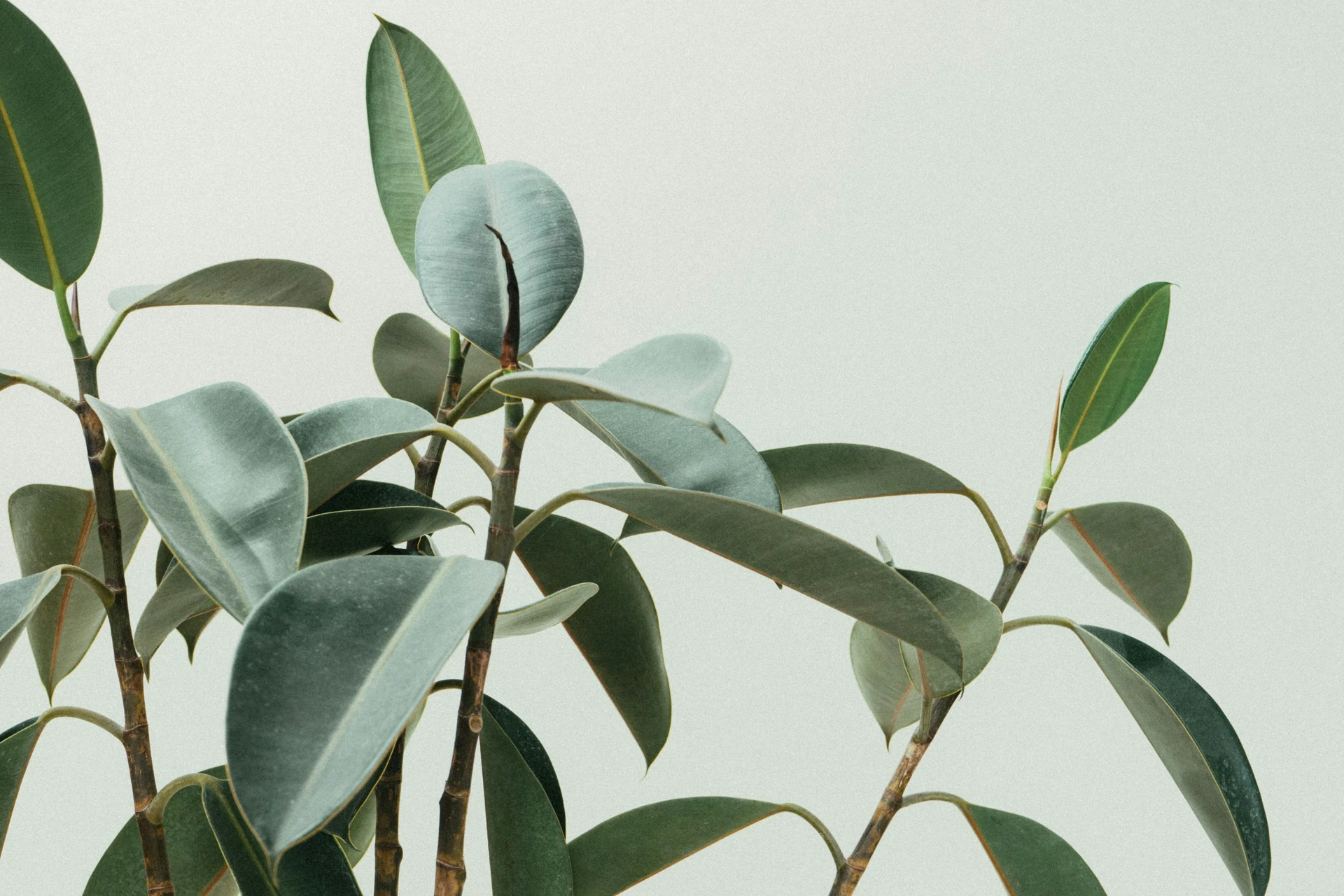
What are Drooping Leaves on Bougainvillea?
Few sights trigger a gardener's panic like a once-proud bougainvillea with leaves that hang limp, sad, and defeated. Drooping leaves—botanically called wilting—occur when the plant loses turgor pressure, the internal water pressure that keeps cells rigid. The leaf stems (petioles) can no longer hold the leaf upright, so everything sags. It's the plant's equivalent of fainting.
Here's the confusing part: drooping can mean two opposite things. Either the plant is desperately thirsty (underwatering), or its roots are so waterlogged that they've stopped functioning (overwatering/root rot). The visual symptom is identical. But the treatment for one kills the other. I've seen well-meaning growers drown a wilted plant because they assumed it needed water, when actually the roots were already suffocating. Learning to distinguish these two causes is a critical skill.
For bougainvillea specifically, drooping leaves are especially urgent because these plants are quick to drop leaves entirely. A drooping leaf today may be a bare stem tomorrow. Unlike some plants that can recover from wilting repeatedly, bougainvillea lose patience and shed. So rapid, accurate diagnosis matters.
Other less common causes of drooping include transplant shock, extreme heat (even with adequate soil moisture), cold damage, or severe pest infestations. But 90% of the time, it's a watering issue—either too little or too much. Your job is to figure out which.
Why Drooping Leaves Matter for Bougainvillea
The stakes are high when you see drooping leaves. Here's what's happening inside the plant and how it affects long-term health.
Flowering impact: A wilting bougainvillea immediately stops bract production. Existing bracts may wilt and drop as well. The plant enters survival mode, redirecting all energy to root and leaf recovery. Even if you correct the cause quickly, the plant may not produce new bracts for 4-8 weeks. Severe or repeated wilting episodes can delay blooming for an entire season.
Root health impact: This is the hidden story. In underwatering, roots shrink and some fine feeder roots die. In overwatering, roots rot—turning black, mushy, and foul-smelling. Rot often spreads upward into the stem. By the time you see drooping leaves from overwatering, significant root damage has already occurred. Recovery is possible but requires aggressive intervention (repotting, pruning rotten roots).
Plant vigor and growth rate: Each wilting episode sets the plant back. New growth stops. Leaves that recover may have damaged margins or yellow spots. Repeated stress leads to stunting. A bougainvillea that wilts frequently will never reach its potential size or bloom density.
Long-term health: Occasional wilting from extreme heat or a missed watering is not a big deal. But chronic wilting—whether from poor watering habits or poor drainage—weakens the plant's immune system. It becomes more susceptible to pests (scale, mealybugs) and diseases (canker, leaf spot). I've seen plants that wilted repeatedly over a summer die the following winter from cold stress that a healthy plant would have shrugged off.
Container vs. landscape cultivation: Container plants wilt faster because pots have less water reserve. In summer, a container plant in well-draining mix can go from happy to drooping in a single hot afternoon. That's a feature, not a bug—it tells you when to water. Landscape plants wilt more slowly because soil holds more moisture, but they also recover more slowly when the cause is overwatering (clay soil drains poorly).
Quick Facts: Drooping Leaves on Bougainvillea
| Factor | Details |
|---|---|
| Primary Causes (ranked) | 1. Underwatering (60%), 2. Overwatering/Root rot (30%), 3. Heat stress (5%), 4. Transplant shock (3%), 5. Cold damage (2%) |
| Key Diagnostic Test | Check soil moisture 2-3 inches deep: dry = underwatering; wet = overwatering |
| Speed of Onset (underwatering) | Hours to 1 day in hot, dry conditions |
| Speed of Onset (overwatering) | Slow over 1-2 weeks, often with yellowing before drooping |
| Leaf Feel (underwatering) | Dry, crispy, may feel papery; stems may be brittle |
| Leaf Feel (overwatering) | Soft, limp, sometimes yellowish; stems may be mushy at base |
| Recovery Time (underwatering) | 1-3 hours to perk up; full recovery 2-3 days |
| Recovery Time (overwatering) | 1-4 weeks (if at all); requires root intervention |
Identification and Symptoms of Drooping Leaves
Not all drooping is the same. Here's how to read the details.
Early signs (subtle): Leaves lose their crisp, upright posture. They may look slightly dull or less vibrant. The leaf stems (petioles) start to angle downward instead of holding the leaf outward. At this stage, the plant may still recover quickly if you correct the cause.
Intermediate symptoms (clear wilting): Leaves hang visibly limp, like wet laundry. In underwatering, leaves often curl slightly inward or cup as they droop. In overwatering, leaves droop straight down and may feel soft and squishy. The plant may lean. Lower leaves are often affected first in overwatering; upper leaves first in underwatering (because they're farthest from roots).
Advanced symptoms: Severe drooping where leaves touch the stem or pot edge. Leaves may turn yellow (overwatering) or brown and crispy (underwatering). Stems may wrinkle (underwatering) or feel mushy at the base (overwatering). Leaf drop begins. In root rot, you may see blackened roots at the soil surface or a foul smell.
Common misdiagnoses: The classic mistake is assuming all drooping means thirst. Always check soil moisture first. Also, drooping from heat stress (plant wilts in afternoon, recovers at night) can look like underwatering, but the soil may be moist. Heat-stressed plants don't have dry soil. Drooping from cold damage (after a frost) looks like overwatering—limp, dark leaves—but the soil may be dry. Consider recent weather.
Visual clues for accurate assessment: Use these checks: 1) Soil moisture—finger test 2-3 inches deep. 2) Leaf texture—crispy or soft? 3) Time of day—does it recover overnight? (heat stress does; underwatering doesn't). 4) Pot weight—lighter than usual means underwatering. 5) Root check—if unsure, gently unpot and look for white vs. brown roots. 6) Recent care history—when did you last water? Any fertilizer or repotting?
Causes and Contributing Factors
Let's break down each cause of drooping leaves in detail.
Underwatering (most common): The soil is too dry. Roots can't extract water, so cells lose turgor. This happens when you forget to water, when pots are too small, when the mix is too porous, or during heat waves. Bougainvillea in full sun in a terracotta pot may need water daily in summer. Symptoms: dry soil, crispy leaves, pot feels light, drooping starts at top of plant. Fix: water deeply. If soil is bone dry, soak the pot in a basin of water for 30 minutes.
Overwatering and root rot (second most common): Soil stays too wet. Roots suffocate and rot, losing their ability to take up water. The plant wilts even though the soil is wet. Causes: poor drainage, pots without holes, heavy soil mix, watering too frequently, or cool/low-light conditions that slow drying. Symptoms: wet soil, soft limp leaves, yellowing lower leaves, foul smell, dark roots. Fix: stop watering, repot into dry, fast-draining mix, prune rotten roots.
Heat stress: When air temperature exceeds 95°F (35°C) and humidity is low, transpiration outpaces water uptake even if soil is moist. The plant wilts protectively in the afternoon. Symptoms: drooping occurs only in the hottest part of the day, plant recovers by morning, soil is moist. Fix: provide afternoon shade, mist leaves, improve air circulation. No need to water if soil is already moist.
Transplant shock: After repotting, roots are disturbed and can't take up water efficiently. The plant may droop for 1-3 weeks. Symptoms: recent repotting, soil moist, no other stress signs. Fix: keep soil evenly moist (not wet), provide high humidity (plastic bag or mist), place in bright indirect light. Do not fertilize. Patience.
Cold damage: Freezing temperatures kill cells and disrupt water transport. Leaves droop, then turn black or brown. Symptoms: recent frost, limp and dark leaves, mushy tissue. Fix: wait—do not water or prune immediately. Assess in 2-4 weeks. Many plants recover from roots.
Severe pest infestation: Massive aphid or scale populations can weaken the plant enough to cause drooping. Usually there are other symptoms (honeydew, visible insects). Fix: treat pests.
How to Diagnose and Fix Drooping Leaves
Follow this step-by-step protocol. Do not skip to treatment until you've diagnosed correctly.
- Check soil moisture immediately. Insert your finger 2-3 inches deep into the soil. For containers, also lift the pot to gauge weight. For landscape, dig a small hole near the root zone.
- If soil is dry: The plant is underwatered. Water deeply and slowly. If the pot is extremely dry, place it in a basin of water for 30 minutes to rehydrate evenly. After watering, leaves should perk up within 1-3 hours if damage isn't severe. If they don't, the roots may have died (see step 5).
- If soil is wet or moist: The plant may be overwatered or suffering from root rot. Do not add more water. Remove the plant from its pot and inspect the roots. Healthy roots are white or tan, firm, and smell earthy. Rotten roots are dark brown or black, mushy, and smell foul.
- If roots are healthy but soil is wet: The mix may be too heavy. Repot into a fast-draining mix (50% perlite, 30% coco coir, 20% compost). Reduce watering frequency. Place in a warmer, sunnier spot to encourage drying.
- If roots are rotten: Trim away all mushy, dark roots with sterilized scissors. Cut back to healthy white tissue. Remove any affected stems or leaves (prune heavily—up to 50% of top growth). Repot into fresh, very coarse mix (60% perlite, 40% coco coir). Water once lightly, then do not water again until the top inch is dry. Keep in bright indirect light. Do not fertilize for 6-8 weeks.
- If soil moisture is normal but plant droops: Consider heat stress, transplant shock, or cold damage. Check the time of day and recent weather. If heat stress: provide afternoon shade, mist leaves, ensure air circulation. If transplant shock: maintain high humidity, avoid direct sun, be patient. If cold damage: wait for spring to assess.
- After correcting the cause, monitor recovery. For underwatering: leaves should lift within hours. For overwatering/rot: recovery takes weeks—look for new growth as the sign of success. Do not fertilize until you see active new growth.
Common Mistakes with Drooping Leaves
- Watering a drooping plant without checking soil moisture. This kills overwatered plants. Always test first.
- Assuming a plant that perks up overnight was fine. Heat stress drooping is normal, but chronic heat stress weakens the plant. Provide afternoon shade to prevent daily wilting.
- Fertilizing a wilted plant to "boost" it. Fertilizer salts burn stressed roots. Wait until the plant is fully recovered and actively growing.
- Pruning drooping leaves too soon. Leaves that are just limp but not dead may recover. Removing them reduces photosynthesis and slows recovery. Only prune leaves that are brown, crispy, or mushy.
- Repotting a severely underwatered plant. Repotting adds more stress. Water first, let it recover, then repot if needed.
- Ignoring the pot size. A plant in too-small pot will wilt frequently because it runs out of water quickly. Upsize if roots are circling the pot.
- Watering lightly and frequently. This encourages shallow roots and can lead to both underwatering (not enough water) and overwatering (keeping surface wet while bottom is dry). Water deeply until it drains out.
Expert Tips from Experienced Growers
Here are practical observations from years of dealing with drooping bougainvillea in various climates.
Tropical climate considerations: High humidity reduces transpiration, so drooping from underwatering is less common. However, overwatering risk is high because soil dries slowly. Use very coarse mixes (60% perlite). In heavy rain, move container plants under cover. For landscape plants, plant on mounds. If leaves droop after a downpour, suspect waterlogging, not thirst.
High desert (Arizona, New Mexico): Underwatering is a constant threat. In summer, container plants may need water twice a day. Use moisture-retentive but well-draining mix (40% coco coir, 30% perlite, 30% compost). Self-watering pots or drip irrigation help. If leaves droop in the afternoon but recover by morning, that's heat stress—provide afternoon shade. If they don't recover, water immediately.
Mediterranean climates (coastal California, Spain): The dry summer air causes rapid drying. Drooping is often a mix of underwatering and heat stress. The best prevention is a thick layer of mulch on containers and landscape beds. Also, group pots together to create humidity. If you see drooping, check soil first—it's often dry an inch down even if the surface looks moist.
Container growing observations: Fabric pots (Smart Pots) are excellent because they dry evenly and prevent overwatering. However, they also dry faster, so check moisture daily in summer. Terracotta pots also dry quickly but can wick moisture away from root ball. Plastic pots retain moisture longer—useful in dry climates but dangerous in humid ones. Know your pot type and adjust accordingly.
Nursery production secrets: Commercial growers use automated moisture sensors to water only when needed. For home growers, a simple moisture meter (under $15) eliminates guesswork. Insert it into the root zone. For bougainvillea, water when the meter reads "dry" or "low moisture" (about 2-3 on a 1-10 scale). Never water when it reads "wet" or "moist" (6+).
Collector-level technique: For valuable plants, use a "reserve pot" system: plant the bougainvillea in a small, well-draining pot, then place that pot inside a larger decorative pot with gravel at the bottom. The inner pot's drainage holes sit above the gravel. Excess water drains away, and the inner pot never sits in water. This combines aesthetics with safety.
Troubleshooting Guide
| Problem | Likely Cause | Solution |
|---|---|---|
| Leaves droop, soil is bone dry | Underwatering | Water deeply. Soak pot in basin for 30 minutes if very dry. Add mulch. Water more frequently going forward. |
| Leaves droop, soil is wet, lower leaves yellow | Overwatering / root rot | Unpot, remove rotten roots, repot into dry, coarse mix. Water sparingly. Do not fertilize. |
| Leaves droop only in afternoon, recover by morning, soil moist | Heat stress | Provide afternoon shade (30-50% cloth). Mist leaves. Improve air circulation. Normal response, but repeated stress needs intervention. |
| Leaves droop after repotting (within 1 week) | Transplant shock | Maintain high humidity (plastic bag). Keep soil evenly moist. Bright indirect light. Wait 2-4 weeks. Do not fertilize. |
| Leaves droop and are black/mushy after freeze | Cold damage | Do nothing for 2-4 weeks. Then prune dead tissue. Wait for new growth from base. Do not water until soil is dry. |
| Leaves droop and have sticky residue, visible pests | Severe aphid/scale infestation | Treat pests with insecticidal soap or neem oil. Water stress will resolve as pests are controlled. |
| Leaves droop, soil is dry, but watering doesn't help | Roots died from previous extreme drought | Unpot and check. If roots are dry and brittle, plant may not recover. Prune back severely, water sparingly, hope for new growth. |
| Leaves droop, soil is moist, but plant is in cool room (below 60°F) | Cold root zone slowing water uptake | Move to warmer location (65-75°F). Do not water more. Roots will recover when warm. |
Frequently Asked Questions
How long does it take for drooping bougainvillea leaves to recover?
If the cause is underwatering and the plant isn't severely stressed, leaves will perk up within 1-3 hours of deep watering. Full recovery (all leaves upright, new growth) takes 2-3 days. For overwatering/root rot, recovery takes 2-6 weeks and requires repotting. Some leaves may drop; look for new growth as the sign of success.
Can bougainvillea recover from root rot after leaves droop?
Yes, if caught early. Unpot immediately, trim all mushy, black roots, and repot in fresh, very coarse mix (60% perlite). Remove 50% of top growth to balance the reduced root system. Keep soil barely moist. New roots may form in 4-6 weeks. However, if the rot has spread up the stem (bark is black and soft), the plant is unlikely to survive.
Why do my bougainvillea leaves droop every afternoon even though I water regularly?
Likely heat stress. The plant is wilting protectively in the hottest part of the day. Check soil moisture at 2 PM—if it's moist, you're not underwatering. Provide afternoon shade with a cloth or by moving the pot. Morning sun is sufficient for blooming; afternoon protection prevents daily wilting. Some cultivars are more prone to heat droop than others.
Should I water my bougainvillea when leaves are drooping?
Only if the soil is dry. Check first. If the soil is wet, watering will make it worse. If the soil is dry, water deeply. When in doubt, unpot and check roots. It takes 5 minutes and could save your plant.
My bougainvillea drooped after I brought it indoors for winter. What's wrong?
The plant is adjusting to lower light, lower humidity, and possibly cooler temperatures. This is common transplant shock. Keep the soil evenly moist but not wet. Increase humidity with a pebble tray or humidifier. Place in the brightest window you have (south-facing). Do not fertilize. It may drop leaves but should recover in 4-6 weeks.
Can too much sun cause drooping even if the plant is well-watered?
Yes—through heat stress, not the light itself. In intense afternoon sun combined with high temperatures, transpiration exceeds water uptake even when soil is moist. The plant wilts to reduce leaf surface area. Provide afternoon shade. If the plant also shows bleached spots or crispy edges, that's sunburn, which requires acclimation.
How do I prevent my bougainvillea from drooping?
Consistent watering is key. Water deeply when the top 2 inches of soil are dry. Use a well-draining mix (30-50% perlite). Mulch the soil surface to retain moisture and keep roots cool. Provide afternoon shade in hot climates. Choose an appropriately sized pot (not too small, not too large). Monitor regularly, especially in summer. A healthy bougainvillea in good conditions should rarely droop.
My bougainvillea drooped, I watered it, and now it's worse. Why?
You likely had overwatering/root rot, not underwatering. By adding more water, you worsened the rot. Unpot immediately, remove rotten roots, and repot into dry, coarse mix. Going forward, always check soil moisture before watering. If you're unsure, err on the side of not watering.
Related Bougainvillea Topics
- Overwatering vs. Underwatering: A Visual Guide
- Root Rot: Identification and Treatment
- Watering Bougainvillea: How Often and How Much
- Managing Heat Stress in Bougainvillea
- Drainage: The Foundation of Bougainvillea Health
- Potting Mix Recipes for Optimal Moisture Balance
- Helping Bougainvillea Recover from Transplant Shock
- Cold Damage: When Drooping Follows a Freeze
Summary
Drooping leaves on bougainvillea are a cry for help—but the cry can mean two opposite things: thirst or drowning. The only way to know is to check the soil. If it's dry, water deeply. If it's wet, stop watering, unpot, and inspect for root rot. Never assume. The plant that perks up after watering was thirsty; the plant that stays droopy or gets worse was overwatered.
Prevention is simpler than cure. Use a fast-draining potting mix (30-50% perlite). Choose pots with drainage holes. Water only when the top 2 inches of soil are dry. Provide afternoon shade in hot climates. Monitor your plant daily in summer. With these practices, drooping leaves become a rare warning rather than a regular crisis.
My final advice: when you see drooping, pause. Don't grab the watering can. Don't panic. First, touch the soil. Second, lift the pot. Third, remember the last time you watered. These three checks will tell you the cause 95% of the time. Bougainvillea are resilient plants; they can recover from underwatering quickly and from overwatering with intervention. But they can't recover from guesswork. Be a detective, not a reactor, and your bougainvillea will thrive.
Related Plants
Plant Guide
Duck Feet
Bougainvillea 'Duck Feet' is a rare compact cultivar prized for its distinctive lobed leaves resembling duck feet and bright pink-magenta bracts. Ideal for containers, balconies, and small gardens where foliage interest matters as much as flower colour.
Plant Guide
21 Jewel Pink Variegated
This 21 Jewel Pink Variegated bougainvillea is valued for its pink with cream or white variegation bracts and its floriferous climber with reliable warm-season colour. In warm tropical and subtropical gardens, it performs as a resilient ornamental climber that rewards full sun, sharp drainage, and a restrained feeding regime with long flushes of colour.
Plant Guide
21 Jewel Pink
This 21 Jewel Pink bougainvillea is valued for its pink to deep rose bracts and its floriferous climber with reliable warm-season colour. In warm tropical and subtropical gardens, it performs as a resilient ornamental climber that rewards full sun, sharp drainage, and a restrained feeding regime with long flushes of colour.
Plant Guide
21 Jewel Yellow
This 21 Jewel Yellow bougainvillea is valued for its golden yellow to creamy yellow bracts and its sun-loving climber that shows best colour in bright, hot exposure. In warm tropical and subtropical gardens, it performs as a resilient ornamental climber that rewards full sun, sharp drainage, and a restrained feeding regime with long flushes of colour.
Plant Guide
3 Star
This 3 Star bougainvillea is valued for its bright pink to magenta bracts and its vigorous climber with strong repeat bloom. In warm tropical and subtropical gardens, it performs as a resilient ornamental climber that rewards full sun, sharp drainage, and a restrained feeding regime with long flushes of colour.
Plant Guide
7 Star
This 7 Star bougainvillea is valued for its bright pink to magenta bracts and its vigorous climber with strong repeat bloom. In warm tropical and subtropical gardens, it performs as a resilient ornamental climber that rewards full sun, sharp drainage, and a restrained feeding regime with long flushes of colour.
Related Articles
Guide
Why Your Bougainvillea is Dropping Leaves (And How to Save It)
Bougainvillea leaf drop is usually a stress signal, not a death sentence. This guide explains the most common causes, how to diagnose them quickly, and the exact steps to restore growth before the plant declines further.
Guide
Common Bougainvillea Problems & Fixes: Root Rot, No Blooms, Yellow Leaves (Complete Guide)
The 8 most common bougainvillea problems diagnosed and fixed: root rot, no blooms, yellow leaves, leaf drop, leggy growth, pests, powdery mildew, and overwatering. Each entry includes symptoms, cause, exact fix, and expected recovery time.
Guide
How I Saved My Overwatered Bougainvillea: A Step-by-Step Personal Account
A first-person account from Soumen Maitra: how a Barbara Karst in Kolkata nearly died from overwatering during the 2025 monsoon, the mistakes that made it worse, and the emergency repot procedure that saved it. Documented step by step.
Guide
Early Identification of Common Bougainvillea Diseases and Effective Responses
Learn to spot early signs of bougainvillea diseases: leaf spot, root rot, and dieback. Practical treatment tips for high-humidity tropical and monsoon conditions.
Guide
How to Make Bougainvillea Bloom Heavily in Monsoon Season (Kolkata / West Bengal Guide)
Monsoon rain is the enemy of bougainvillea blooms. This guide explains how to protect your plant during Bengal's June–September rainy season and time the October dry-stress window to trigger the most spectacular flush of the year.
Guide
Bougainvillea Bonsai: Complete Beginner's Guide to Growing, Styling, and Caring
Bougainvillea makes a spectacular bonsai — fast-growing, drought-tolerant, and capable of producing vivid bracts even in a tiny pot. This guide covers species selection, soil, root pruning, wire training, and seasonal care for Indian conditions.
Related Calculators & Tools
Calculator
Bougainvillea Heat Stress & Watering Calculator
Diagnose heat stress in potted Bougainvilleas during extreme summer weather.
Calculator
Bougainvillea NPK Fertilizer Calculator
Analyze your fertilizer NPK ratio to ensure it promotes Bougainvillea blooms rather than just green leaves.
Calculator
Bougainvillea Garden Mulch Calculator
Calculate exact mulch volumes while learning how to apply it safely around Bougainvilleas.
Calculator
Bougainvillea Neem Oil & Pest Calculator
Calculate precise neem oil dilutions to eradicate Bougainvillea Loopers and aphids.
Calculator
Bougainvillea Potting Mix Calculator
Calculate the exact volumes of perlite, compost, and soil for a fast-draining Bougainvillea mix.
Calculator
Bougainvillea Compost Top-Dressing Calculator
Calculate precise compost volumes to naturally amend your Bougainvillea garden beds.