Overwatering
The #1 killer of bougainvillea: symptoms, root rot, recovery steps, and how to water correctly for containers and landscapes.
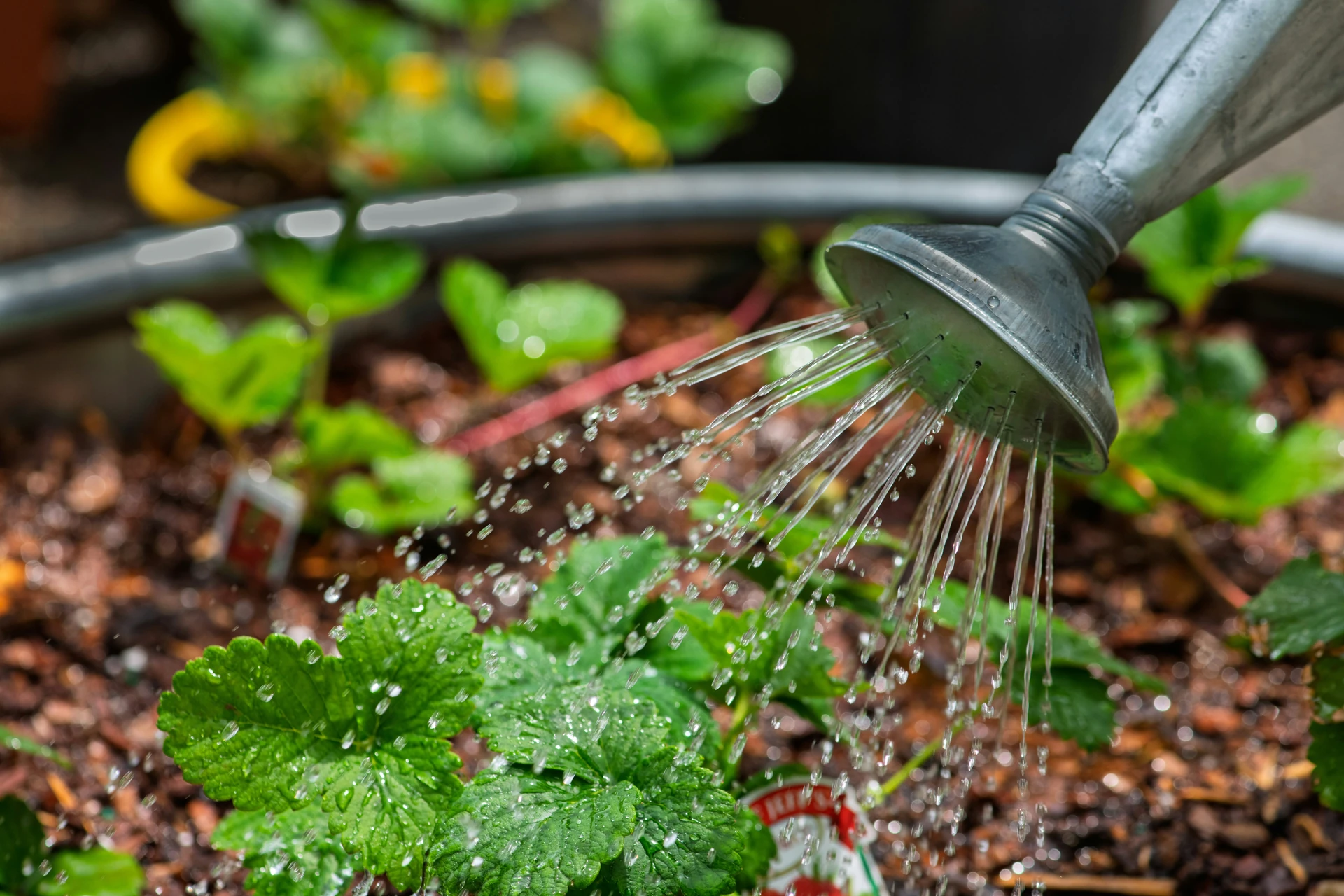
What is Overwatering for Bougainvillea?
Let me be blunt: overwatering is the single fastest way to kill a bougainvillea. I've seen more plants murdered by kindness—by well-meaning owners who water on a schedule, who think "a little more can't hurt," who see a wilting plant and reach for the hose—than by all the pests, diseases, and frost combined. Bougainvillea are not thirsty divas. They are survivors of arid, rocky slopes. They want to dry out. They need to dry out. When you keep their roots soggy, you're essentially waterboarding them.
Overwatering means keeping the root zone saturated for extended periods, depriving roots of oxygen. In waterlogged soil, the air pockets that roots need to breathe are filled with water. Roots suffocate and begin to die within 24-48 hours. Dead roots then rot, attracting pathogenic fungi (Pythium, Phytophthora, Rhizoctonia) that spread to healthy tissue. The plant wilts because it can't take up water—not because it's thirsty, but because its roots are dead. And the classic beginner's response? Water more. That's the death spiral.
Why is overwatering so common with bougainvillea? Because these plants are often grown in containers with dense, moisture-retentive potting mixes. Owners water them like they would a fern or a peace lily. They also see wilting (from root rot) and misinterpret it as thirst. And because bougainvillea drop leaves easily, they can defoliate completely within a week of root damage. By the time you realize what's happening, it's often too late.
For beginners, understanding overwatering is the most important lesson in bougainvillea care. For advanced growers, it's about fine-tuning: knowing the difference between a thirsty plant and a drowning one, adjusting watering for seasons and potting mix, and recognizing the early signs of root stress. This article will teach you everything you need to know to avoid the #1 killer of bougainvillea.
Why Overwatering Matters for Bougainvillea
The effects of overwatering are not subtle, but they are often misunderstood. Here's what happens to your plant.
Flowering impact: A plant with damaged roots cannot support blooms. Existing bracts will wilt and drop within days. New bract formation stops entirely. Even if you correct the overwatering, the plant may not bloom again for 4-8 weeks, or until the next growing season. In severe cases, the plant may never regain its previous blooming capacity.
Root health impact: This is ground zero. Roots need oxygen. In saturated soil, oxygen is depleted within hours. Fine feeder roots die first. Then larger roots. The root rot pathogens move in. Healthy roots are white or tan, firm, and smell earthy. Overwatered roots are brown, mushy, slimy, and smell like decay. Once roots rot beyond a certain point, the plant cannot recover.
Plant vigor and growth rate: As roots die, the plant's ability to take up water and nutrients collapses. Growth stops immediately. Leaves turn yellow, then drop. The plant becomes stunted. New leaves that do emerge are small and pale. The plant may look like it's starving (which it is, but not from lack of fertilizer).
Long-term health: Even if you catch overwatering early and correct it, the plant is set back. It takes weeks to grow new roots. It may lose most of its leaves. It becomes susceptible to pests (scale, mealybugs, spider mites) that attack weakened plants. Repeated overwatering episodes can kill a bougainvillea outright or reduce it to a ghost of its former self.
Container vs. landscape cultivation: Overwatering is far more common in containers because of the limited soil volume and lack of drainage to the water table. Container growers have complete control, and with control comes the ability to make mistakes. In the landscape, overwatering is less common but can happen in heavy clay soils, low spots where water pools, or with automatic irrigation systems that run too often.
Quick Facts: Overwatering Bougainvillea
| Factor | Details |
|---|---|
| Time to Root Damage | 24-48 hours of saturated soil begins to suffocate roots; 5-7 days of continuous saturation causes significant rot. |
| Primary Symptoms | Wilting with wet soil, yellow lower leaves, leaf drop, soft or mushy stems at base, foul soil smell. |
| Most Common Cause | Watering on a fixed schedule instead of checking soil moisture; poor drainage; pots without holes. |
| Container Risk Factors | Dense potting mix, no drainage holes, saucer full of water, pot too large for root ball, dark plastic pots in cool weather. |
| Landscape Risk Factors | Heavy clay soil, planting in low spots, automatic irrigation with frequent cycles, poor grading. |
| Recovery Time (mild) | 2-4 weeks with corrected watering; new roots grow, leaves may regrow. |
| Recovery Time (severe rot) | May not recover; requires repotting and root pruning; 6-12 weeks for significant regrowth. |
| Prevention Key | Fast-draining potting mix (30-50% perlite), pots with drainage holes, water only when top 2 inches are dry. |
Identification and Symptoms of Overwatering
Learn to recognize overwatering early—before the roots rot beyond saving.
Early signs (subtle): The first clue is often the soil. It stays wet for more than 5-7 days after watering. You may see fungus gnats or springtails on the soil surface. The plant's leaves may be slightly less perky than usual, but not yet wilted. Lower leaves may turn yellow or pale. At this stage, you can simply stop watering and let the soil dry out. No permanent damage yet.
Intermediate symptoms: The plant wilts even though the soil is wet. Leaves, especially lower ones, turn yellow and may curl downward. Leaf drop begins. The base of the stem may feel soft or look darker. The soil may have a sour, musty, or rotten smell. If you unpot, you'll see brown, mushy root tips. This is the critical stage. With immediate action (repotting, root pruning), the plant can survive.
Advanced symptoms: Widespread leaf drop—the plant may be almost bare. Stems become soft and mushy at the base. The entire plant looks lifeless. Roots are dark brown or black, slimy, and fall apart when touched. The foul smell is strong. At this stage, recovery is unlikely, though you can try cutting back severely and repotting in fresh, dry mix. Success rates are low.
Common misdiagnoses: Overwatering is most often mistaken for underwatering because both cause wilting. The key difference: underwatered plants have dry soil; overwatered plants have wet soil. Always check before watering. Also, overwatering symptoms (yellow leaves, drop) can mimic nutrient deficiencies. But nutrient deficiencies rarely cause wet soil or foul smells. Another misdiagnosis: root rot from overwatering is sometimes thought to be a fungal stem canker. If you see mushy base, it's usually root rot that spread upward.
Visual clues for accurate assessment: Do the finger test: stick your finger 2-3 inches into the soil. If it's wet, don't water. If it's dry, water. Also, lift the pot: a waterlogged pot is heavy. Smell the soil: a rotten odor is diagnostic. Check the drainage holes: if water drips out long after watering, or if roots are growing out of the holes and are brown, you have problems. Finally, unpot if you're unsure—it takes 5 minutes and can save the plant.
Causes and Contributing Factors
Overwatering is rarely just about how often you water. Several factors combine to create the perfect drowning environment.
Poor drainage (the #1 factor): Even if you water infrequently, a dense, compacted potting mix holds water for too long. Mixes with too much peat, compost, or garden soil, and too little perlite or pumice, are death traps. Pots without drainage holes are even worse—they create a bathtub. Always use a fast-draining mix (30-50% perlite) and pots with multiple drainage holes.
Pot too large for the plant: If the pot is much larger than the root ball, the soil stays wet because roots can't take up water quickly. A 1-gallon plant in a 5-gallon pot will have constantly wet soil. Use pots only 1-2 inches larger than the root ball. When repotting, go up gradually.
Watering on a schedule: Watering every Tuesday, regardless of soil moisture, is a recipe for disaster. The plant's water needs change with season, temperature, humidity, light, and growth stage. Water only when the top 2 inches of soil are dry. Use your finger, a moisture meter, or the pot-lift test.
Cool or low-light conditions: In winter or in shady spots, evaporation and transpiration slow dramatically. Soil that dried in 3 days in summer may take 14 days in winter. Many growers continue the same watering frequency, leading to overwatering. Reduce watering in cool, low-light conditions.
Dense, organic-rich potting mix: Peat-based or compost-heavy mixes hold too much water for bougainvillea. They are designed for moisture-loving plants. Bougainvillea need a lean, gritty mix. Amend with 30-50% perlite, pumice, or coarse sand.
Saucers and trays: Leaving pots sitting in saucers of water allows the soil to wick water back up, keeping the bottom constantly wet. Empty saucers 30 minutes after watering. Elevate pots on pot feet or bricks to allow drainage.
Automatic irrigation systems: Drip irrigation or sprinklers on timers can easily overwater if not adjusted seasonally. Check soil moisture before assuming the timer is correct.
How to Rescue an Overwatered Bougainvillea
Follow these steps immediately if you suspect overwatering. Time is critical.
- Stop watering immediately. Do not add any more water. Let the soil begin to dry. If the plant is in a saucer, empty it.
- Assess the damage. Stick your finger deep into the soil. If the soil is wet throughout, proceed to step 3. If only the top is wet but the bottom is dry, you may be able to simply stop watering and wait.
- Unpot the plant. Gently remove the plant from its pot. Shake off loose soil. Examine the roots. Healthy roots are white or tan, firm, and smell earthy. Rotten roots are dark brown or black, mushy, slimy, and foul-smelling.
- Prune rotten roots. Using sterilized scissors or pruners, cut away all mushy, dark roots. Cut back to healthy, white tissue. If more than 70% of the root mass is rotten, the plant may not survive, but it's worth trying.
- Prune top growth to match. To balance the reduced root system, prune back the top growth by 40-60%. Remove any yellow, wilted, or dead leaves and stems. Cut back healthy stems by one-third to one-half. This reduces water demand while new roots form.
- Repot in fresh, dry, fast-draining mix. Use a clean pot with drainage holes. The new pot should be just slightly larger than the remaining root ball. Fill with a mix of 50% perlite or pumice, 30% coco coir or peat, and 20% compost (or just 60% perlite, 40% coco coir). Do not reuse the old soil.
- Do not water immediately after repotting. Wait 2-3 days, then water lightly—just enough to moisten the mix, not saturate it. Overwatering now would finish the job. Water only when the top 2 inches are dry.
- Place in bright indirect light, not direct sun. Direct sun will stress the damaged plant further. A shaded greenhouse, east-facing window, or under a tree is ideal. After 2-3 weeks, gradually move to brighter light.
- Do not fertilize for 6-8 weeks. Fertilizer salts can burn new, tender roots. Wait until you see active new growth (new leaves emerging) before resuming feeding. Then use a balanced, half-strength fertilizer.
- Monitor closely. New growth should appear within 2-6 weeks. If no growth after 8 weeks and stems are shriveling, the plant may be dead. If you see any green, keep waiting. Some plants take months to recover.
Common Mistakes with Overwatering
- Watering a wilted plant without checking soil moisture. This kills overwatered plants. Always check first.
- Using a pot without drainage holes. This is a death sentence. Drill holes or use a different pot.
- Adding gravel at the bottom of the pot. This creates a perched water table and actually keeps soil wetter. Use a uniform coarse mix throughout.
- Fertilizing a stressed plant to "help it recover." Fertilizer burns damaged roots. Wait for new growth.
- Pruning too much top growth or too little. Balance is key. Remove 40-60% of the canopy to match root loss.
- Repotting into the same wet, heavy mix. You must use fresh, dry, well-draining mix. Old mix contains rot pathogens.
- Returning to the same watering schedule after recovery. Learn from the mistake. Water only when the top 2 inches are dry. Adjust for seasons.
- Ignoring the saucer. Water that sits in a saucer is wicking back into the soil. Empty it after watering.
Expert Tips from Experienced Growers
Here's what I've learned from decades of keeping bougainvillea alive (and occasionally drowning them early in my career).
Tropical climate considerations (Florida, Hawaii, SE Asia): High humidity and frequent rain make overwatering a constant risk. Use extremely fast-draining mixes (60% perlite) and fabric pots. Plant in raised mounds in the landscape. During rainy seasons, move container plants under cover. Water only when the top 3 inches are dry—this may be every 10-14 days. Also, use a moisture meter; it removes guesswork.
High desert (Arizona, New Mexico): Overwatering is less common because heat and low humidity dry soil quickly. But it still happens if you use heavy mixes or water too often. The main risk is in winter when plants are indoors. Reduce winter watering drastically—once every 2-3 weeks. Outdoors, check soil before watering; you might need to water daily in summer, but not in winter.
Cool coastal (Pacific Northwest, UK): Overwatering is a major problem because soil dries slowly. Use extra perlite (50-60%) and terracotta pots (they breathe). Water only when the pot feels light. In winter, you may need to water only once every 2-4 weeks. A moisture meter is invaluable. Also, move plants to the sunniest spot to increase transpiration.
Container growing observations: The single best defense against overwatering is a fast-draining mix. My go-to: 50% coarse perlite, 30% coco coir, 20% compost. I've used this for years and can water daily in summer without root rot—because the mix drains almost instantly. Beginners, start with 50% perlite, 50% commercial potting soil (not moisture-control). Also, fabric pots (Smart Pots) are excellent; they dry from all sides and prevent perched water tables.
Nursery production secrets: Commercial growers use moisture sensors to automate watering. They also use very shallow, wide pots (azalea pots) rather than deep standard pots to minimize water retention. For home growers, a simple wooden chopstick or bamboo skewer inserted into the soil works as a moisture indicator. Leave it in the pot. Pull it out to see how far the moisture has penetrated.
Collector-level technique: For valuable, root-rot-prone cultivars, use a "wicking" system: place a strip of capillary matting or an old shoelace through the drainage hole, hanging down an inch. This wicks excess water out of the pot, preventing the bottom from staying wet. Also, use a layer of coarse charcoal at the bottom of the pot (not gravel) to absorb toxins and keep the soil sweet.
Troubleshooting Guide
| Problem | Likely Cause | Solution |
|---|---|---|
| Plant wilts, soil is wet, leaves yellowing and dropping | Overwatering / root rot | Stop watering. Unpot, remove rotten roots, repot in fresh, dry, fast-draining mix. Prune top growth. Do not water for 2-3 days. |
| Soil stays wet for more than 7 days after watering | Poor drainage, heavy mix, or pot too large | Repot into mix with 50% perlite. Use smaller pot. Ensure drainage holes. Add a fan to increase evaporation. |
| Fungus gnats or springtails on soil surface | Consistently moist soil (early overwatering sign) | Allow top 2-3 inches to dry completely. Add sand top-dressing. Use Bti for gnats. Reduce watering frequency. |
| Foul, rotten smell from soil | Anaerobic decomposition from waterlogging | Unpot immediately. Discard all old soil. Repot in fresh, dry, well-draining mix. Cut away rotten roots. |
| Lower leaves turn yellow and drop, but top is green | Early overwatering stress (or normal senescence) | Check soil moisture. If wet, reduce watering. If dry, it may be normal aging. Monitor. |
| Base of stem is soft or mushy, bark peels | Advanced root rot that has spread to stem | Cut above the rot if any healthy stem remains. Repot in dry mix. Low chance of survival. For future, prevent with proper drainage. |
| Plant recovers after repotting, then declines again | Returned to overwatering; or residual pathogens | Water only when top 2 inches dry. Use a moisture meter. Ensure new mix is fast-draining. Consider a preventive fungicide (copper). |
| Outdoor plant in landscape wilts with wet soil after rain | Poor drainage, clay soil, or low spot | Improve drainage with organic matter and coarse sand. Plant on mounds. Redirect downspouts. Consider French drain. |
Frequently Asked Questions
How often should I water my bougainvillea?
There is no schedule. Water when the top 2 inches of soil are dry. In summer, that might be every 2-3 days. In winter, every 10-14 days. Use your finger, a moisture meter, or lift the pot to judge weight. Never water on a calendar.
Can a bougainvillea recover from overwatering?
Yes, if caught early (before widespread root rot). Stop watering, unpot, prune rotten roots, repot in fresh, dry, fast-draining mix, and prune top growth. Recovery takes 2-8 weeks for new growth. Severe cases (mushy roots throughout) rarely recover.
What does an overwatered bougainvillea look like?
Wilting with wet soil, yellow lower leaves, leaf drop, soft stems at the base, and a foul smell from the soil. The plant looks thirsty but the soil is wet. This is the classic sign.
Why do bougainvillea hate wet feet?
Bougainvillea evolved in well-drained, rocky, arid soils. Their roots are adapted to dry conditions and need oxygen. Soggy soil suffocates roots, leading to rot. They have no tolerance for standing water. This is a fundamental adaptation, not a quirk.
Can I save a bougainvillea with root rot?
Yes, if some healthy roots remain. Unpot, cut away all mushy, black roots with sterilized scissors. Repot in fresh, dry mix (50% perlite). Prune top growth by 50%. Water sparingly. New roots may form in 4-8 weeks. If all roots are rotten, the plant is likely gone.
Should I put rocks at the bottom of the pot for drainage?
No. Rocks create a perched water table that keeps soil saturated above them. Use a uniform, coarse potting mix throughout the pot. The only thing over the drainage holes should be a mesh or coffee filter to prevent soil from washing out.
How do I know if I'm overwatering my bougainvillea?
Signs: soil stays wet for over a week, leaves yellow and drop, the plant wilts despite wet soil, you see fungus gnats, the soil smells sour. If you see any of these, stop watering immediately and investigate.
What is the best potting mix to prevent overwatering?
Mix 50% coarse perlite or pumice, 30% coco coir or peat moss, and 20% compost. Or simply mix 50% perlite with 50% commercial potting soil (avoid "moisture control" formulas). Test by watering: the water should drain out within 5-10 seconds.
Related Bougainvillea Topics
- Drainage: The Foundation of Bougainvillea Health
- Root Rot: Identification, Treatment, and Prevention
- Watering Bougainvillea: How Much and How Often
- Potting Mix Recipes for Fast Drainage
- Choosing the Right Pot to Prevent Overwatering
- Drooping Leaves: Underwatering vs. Overwatering
- Fungus Gnats: The Overwatering Indicator
- Winter Watering: Adjusting for Cool, Low-Light Conditions
Summary
Overwatering is the most common and deadly mistake made by bougainvillea growers. It suffocates roots, causes rot, and leads to wilting, leaf drop, and death. The key to prevention is simple: never water on a schedule. Instead, water only when the top 2 inches of soil are dry. Use a fast-draining potting mix (30-50% perlite or pumice) and pots with drainage holes. Empty saucers after watering. Adjust watering frequency for season, temperature, and light.
If you suspect overwatering, act immediately. Stop watering, unpot, prune rotten roots, and repot in fresh, dry, well-draining mix. Prune top growth to match root loss. Do not fertilize until new growth appears. Be patient—recovery takes weeks.
My final advice: when in doubt, don't water. Bougainvillea are far more tolerant of drought than of soggy soil. A slightly wilted plant from underwatering will perk up within hours of a drink. A wilted plant from overwatering may already be beyond saving. Learn to read the soil, not the calendar. Your bougainvillea will reward you with years of spectacular, worry-free blooms.
Related Plants
Plant Guide
'Barbara Karst'
Bougainvillea 'Barbara Karst' is a vigorous, popular cultivar prized for its brilliant magenta-red bracts and prolific, nearly year-round blooming habit. One of the hardiest bougainvilleas, it thrives in hot, full-sun gardens, on fences and trellises, and in large containers across tropical and subtropical climates.
Plant Guide
Duck Feet
Bougainvillea 'Duck Feet' is a rare compact cultivar prized for its distinctive lobed leaves resembling duck feet and bright pink-magenta bracts. Ideal for containers, balconies, and small gardens where foliage interest matters as much as flower colour.
Plant Guide
'Adarna' (Shikendari)
Bougainvillea 'Adarna' (Shikendari) is a rare collector's cultivar prized for its spectacular multicoloured bracts that shift between yellow, orange, and deep pink-magenta. A prolific bloomer for hot, full-sun gardens, fences, and large containers across tropical India.
Plant Guide
'California Gold'
Bougainvillea 'California Gold' is a vigorous and popular cultivar prized for its stunning, warm golden-yellow bracts that sometimes shift to a bronze-orange as they age. A prolific bloomer for hot, full-sun gardens, fences, trellises, and containers across tropical and subtropical climates.
Plant Guide
Chilli Red
The Chilli Red bougainvillea is a vibrant and eye-catching variety known for its intense red bracts. Here are some key details about this bougainville...
Plant Guide
'Elizabeth Angus' (Purple Bougainvillea)
Bougainvillea 'Elizabeth Angus' is a popular and vigorous cultivar prized for its spectacular deep purple bracts and glossy, dark green foliage. A prolific bloomer for hot, full-sun gardens, fences, and containers across tropical and subtropical climates.
Related Articles
Guide
How to Water Bougainvillea Without Killing the Bloom Cycle (Global Guide)
Master bougainvillea watering worldwide: use the dry-down method to prevent root rot, trigger heavy blooming, and adjust for pots, ground, and all climates.
Guide
How I Saved My Overwatered Bougainvillea: A Step-by-Step Personal Account
A first-person account from Soumen Maitra: how a Barbara Karst in Kolkata nearly died from overwatering during the 2025 monsoon, the mistakes that made it worse, and the emergency repot procedure that saved it. Documented step by step.
Guide
Why Your Bougainvillea is Dropping Leaves (And How to Save It)
Bougainvillea leaf drop is usually a stress signal, not a death sentence. This guide explains the most common causes, how to diagnose them quickly, and the exact steps to restore growth before the plant declines further.
Guide
Common Bougainvillea Problems & Fixes: Root Rot, No Blooms, Yellow Leaves (Complete Guide)
The 8 most common bougainvillea problems diagnosed and fixed: root rot, no blooms, yellow leaves, leaf drop, leggy growth, pests, powdery mildew, and overwatering. Each entry includes symptoms, cause, exact fix, and expected recovery time.
Guide
Early Identification of Common Bougainvillea Diseases and Effective Responses
Learn to spot early signs of bougainvillea diseases: leaf spot, root rot, and dieback. Practical treatment tips for high-humidity tropical and monsoon conditions.
Guide
How to Propagate Bougainvillea From Cuttings (Global Guide)
Step-by-step global guide to propagate bougainvillea from cuttings. Compare soil vs water rooting, best warm-season timing, rooting hormone use, and aftercare for high success.
Related Calculators & Tools
Calculator
Bougainvillea Potting Mix Calculator
Calculate the exact volumes of perlite, compost, and soil for a fast-draining Bougainvillea mix.
Calculator
Bougainvillea Garden Mulch Calculator
Calculate exact mulch volumes while learning how to apply it safely around Bougainvilleas.
Calculator
Bougainvillea Soil pH Calculator
Calculate amendments to reach the ideal 5.5 - 6.5 pH for Bougainvillea nutrient uptake.
Calculator
Bougainvillea Watering Schedule Calculator
Calculate exactly when to water your Bougainvillea using the proven Dry-to-Bloom method.
Calculator
Bougainvillea Grow Bag Size Calculator
Calculate the ideal fabric grow bag volume for massive Bougainvillea growth.
Calculator
Bougainvillea Repotting Calculator
Calculate exact pot size upgrades while learning how to protect their fragile roots.